Vaccination: Changing our take on health
Odcinek serii Amazing Inventions
- Tłumaczenie na polski
- Ilustrowany pokaz slajdów (28 ilustracji)
- Słowniczek
- Quiz ze zrozumienia (45 pytań)
- Notatki kulturowe

 Fragment · 30 s
O odcinku
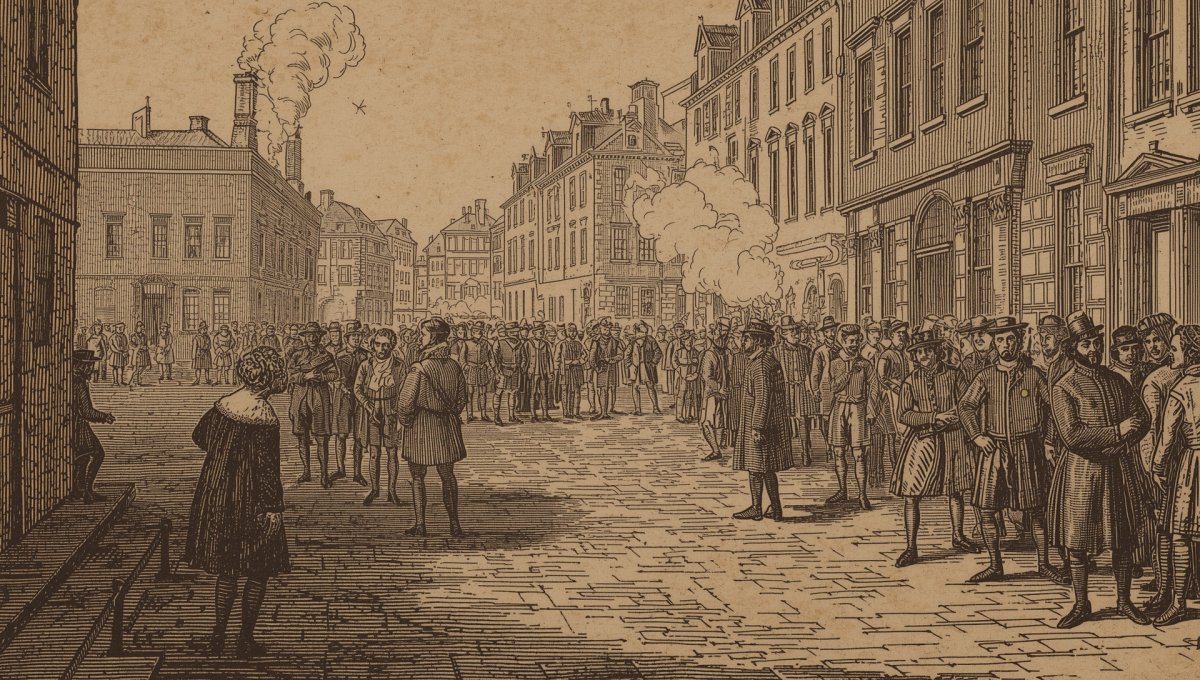
Journey back to a time of medical mystery and meet a brave 18th-century doctor. We’ll learn how his curious observation of a disease from cows became the unlikely key to fighting smallpox, a breakthrough that forever changed public health and inspired some very amusing historical cartoons.
Karty pracy do odcinka (2)
- Karta pracy Na Twoim koncie nauczyciela
- Karta nauczyciela Na Twoim koncie nauczyciela
Przewodnik dydaktyczny
Objective & content
This documentary goes back to 18th-century England, where smallpox made many people very sick. It follows Dr. Edward Jenner, who talks to the women who work with cows and sees that they do not get smallpox. The script compares cowpox to "a teacher for the body", then presents Jenner's test with James Phipps in May 1796 and the name vaccination, from the Latin word for cow. The language focus is the present simple, used to tell the events as if they happen now, with health vocabulary and a few past forms at the end. The skill is listening for people, places and the order of ideas.
Materials & prerequisites
- A student sheet and a teacher sheet, each as a PDF and an HTML file, plus the printable source file.
- Prerequisites: the present simple, and basic words such as doctor, sick, cow and body.
Curriculum alignment
Cycle 3 (6e): the axis "the child and the living world" (c3-child-and-living-world). The episode targets CEFR level A1-.
Możliwe adaptacje
- Słabsze poziomy: zaproponuj słuchanie partiami i dodatkowe materiały wizualne.
- Poziomy zaawansowane: zachęć do ustnego streszczenia i debaty po angielsku na ten temat.
- Liczne klasy: zorganizuj pracę w grupach ze zróżnicowanymi rolami.
🔒 Treść zastrzeżona
Ten zasób wymaga abonamentu, aby z niego skorzystać.
Odblokuj zasóbW cenie abonamentu