Robert Louis Stevenson
Odcinek serii British Children Authors
- Ilustrowany pokaz slajdów (63 ilustracje)
- Słowniczek
- Quiz ze zrozumienia (45 pytań)
- Notatki kulturowe
 Fragment · 30 s
O odcinku
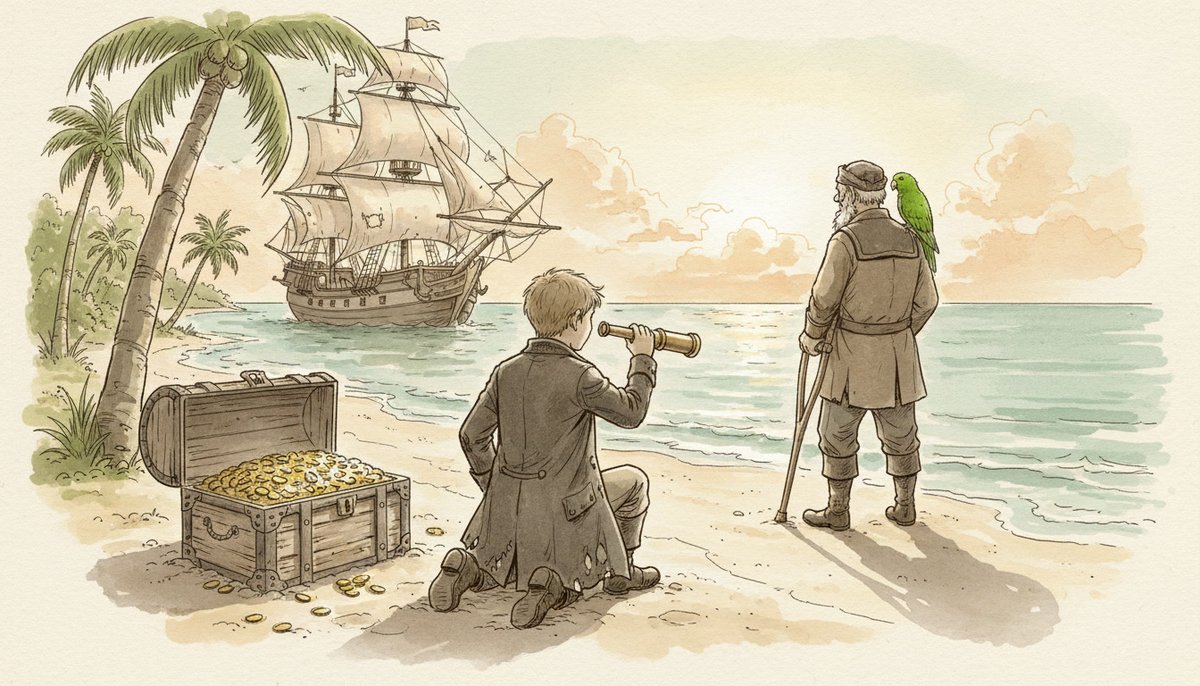
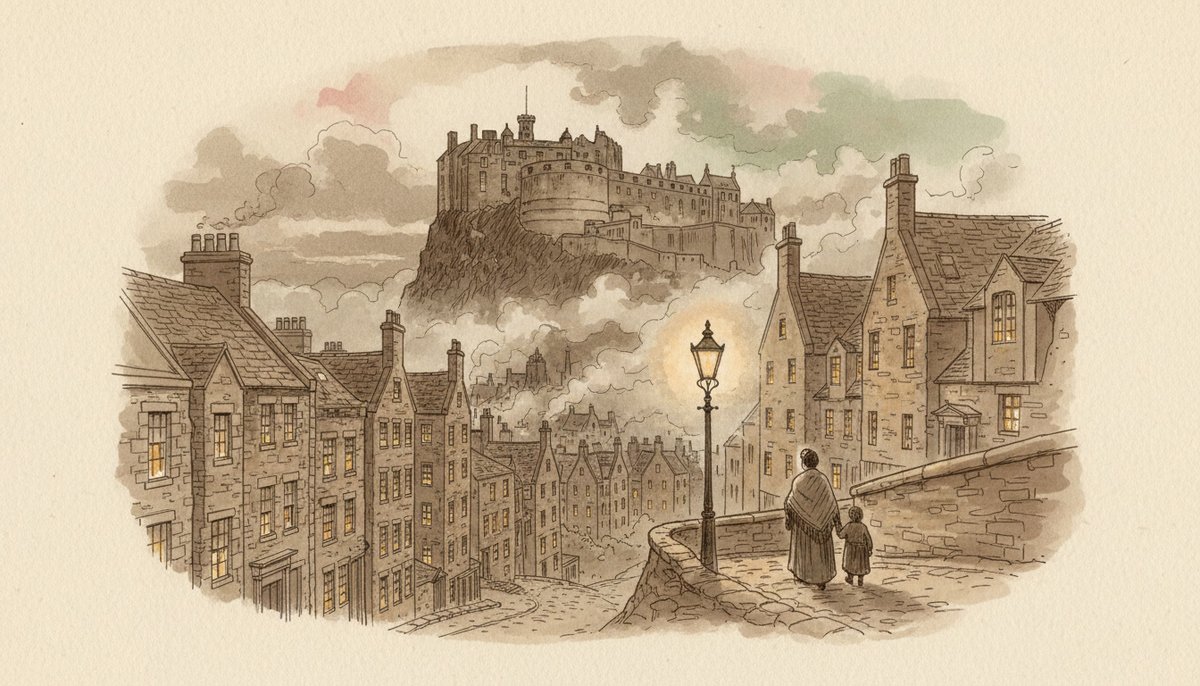
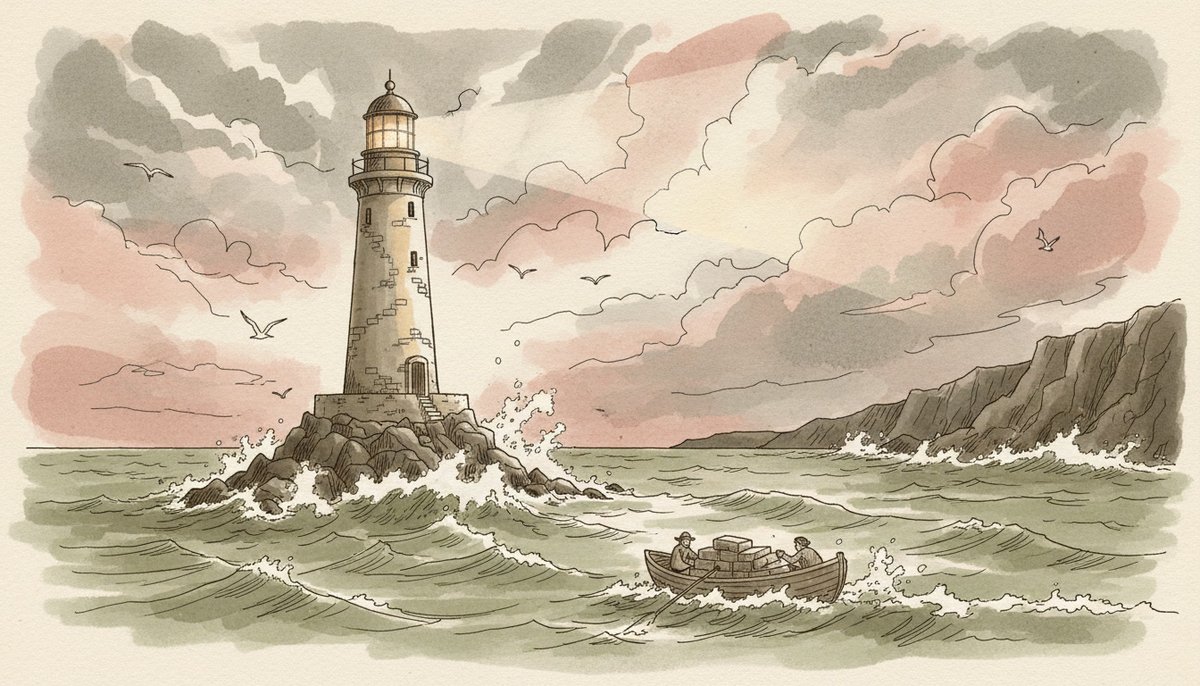
The sick boy who wrote Treasure Island. Robert Louis Stevenson was often ill, and his family wanted him to build lighthouses. He chose to write, crossed an ocean for the woman he loved, and found his home in Samoa.
Karty pracy do odcinka (2)
- Karta pracy Na Twoim koncie nauczyciela
- Karta nauczyciela Na Twoim koncie nauczyciela
Przewodnik dydaktyczny
Objective & content
This documentary episode tells the life of Robert Louis Stevenson, born in Edinburgh in 1850. The script names his father, who built lighthouses, and Fanny Osbourne, the American writer he followed to California and married in 1880. It also presents Treasure Island, with Jim Hawkins and Long John Silver, and Stevenson's last years in Samoa. Learners meet the past simple (with the present simple in the opening and closing) and vocabulary such as "lighthouse", "law", "journey" and "treasure". The main skill is listening to a life story told in order, and the script explains some words as they appear, for example "Law is the study of the rules of a country." The target level is CEFR A1-.
Materials & prerequisites
- A student sheet and a teacher sheet, each as a PDF and an HTML file, in the episode's printables.
- Learners should know the present simple and the verb "to be" in the past (was, were); regular past simple endings are met in the episode itself.
Curriculum alignment
The episode is tagged with the cycle 3 axis "child and imagination" (6e) and the axis "imagination, tales and legends". It targets CEFR A1-.
Możliwe adaptacje
- Słabsze poziomy: zaproponuj słuchanie partiami i dodatkowe materiały wizualne.
- Poziomy zaawansowane: zachęć do ustnego streszczenia i debaty po angielsku na ten temat.
- Liczne klasy: zorganizuj pracę w grupach ze zróżnicowanymi rolami.
🔒 Treść zastrzeżona
Ten zasób wymaga abonamentu, aby z niego skorzystać.
Odblokuj zasóbW cenie abonamentuTagi
- Past simple: irregular verbs
- Present simple
- Past simple: was / were
- Past simple: regular verbs
- Articles: a / an / the
- Adjectives: basics
- Famous people
- Adventure
- Countries
- UK nations & regions
- Child and imagination
- Imagination, tales and legends
- Listening comprehension
- Vocabulary building
- Cultural awareness
- Childrens literature
- Mystery & adventure
- World cultures
- Stories & Imagination
- Places & Journeys