Hawaii: Islands on Giant Volcanoes
Odcinek serii Natural Wonders of America
- Ilustrowany pokaz slajdów (55 ilustracji)
- Słowniczek (15 słów)
- Quiz ze zrozumienia (18 pytań)
- Notatki kulturowe
 Fragment · 30 s
O odcinku
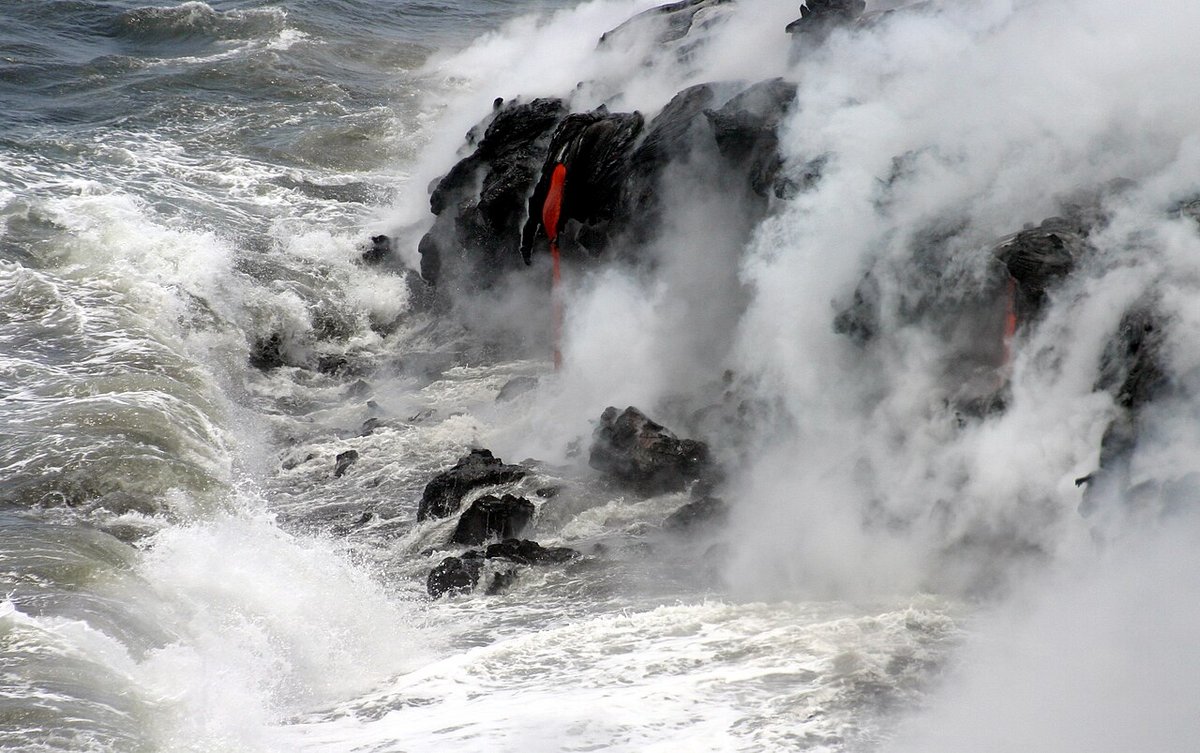
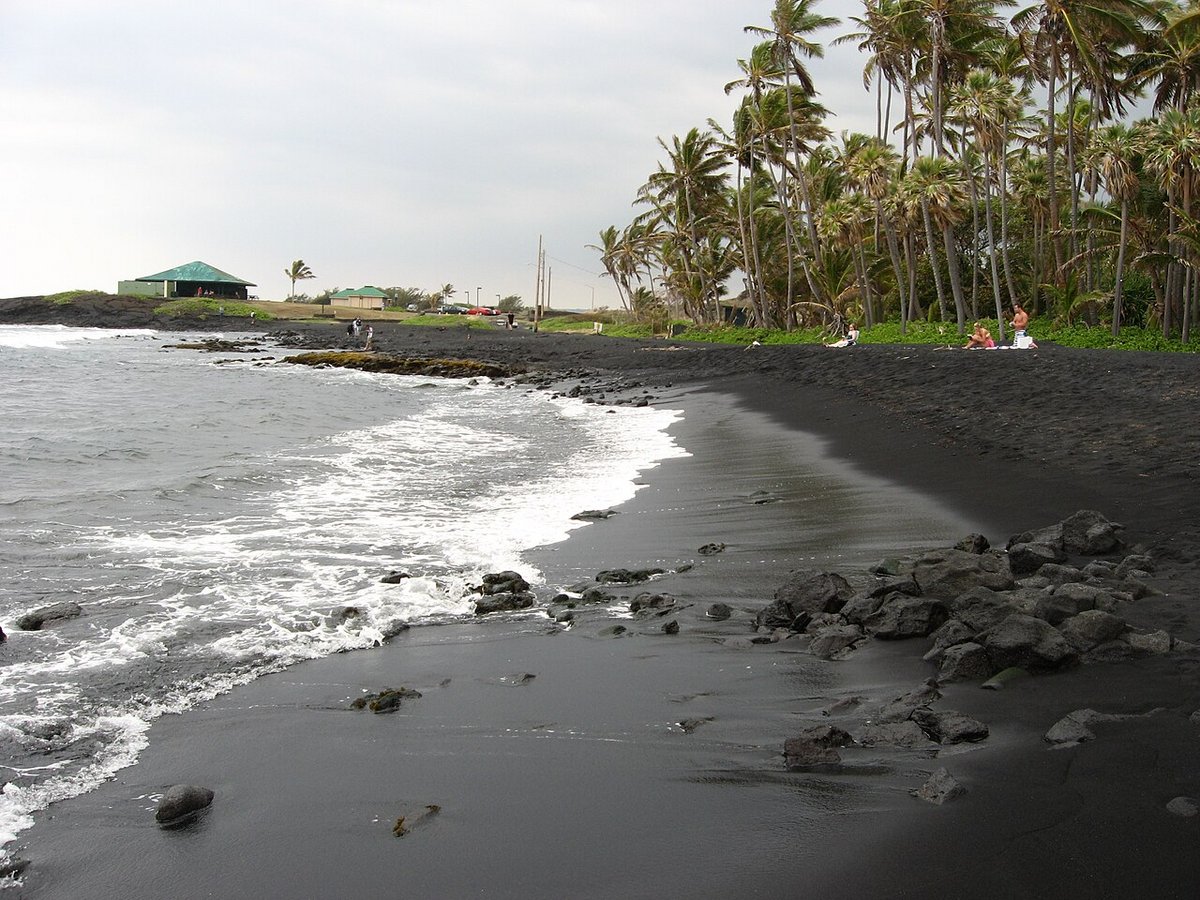
A mountain taller than Everest. Every island in Hawaii is a volcano. Hot rock comes up under the ocean and slowly makes a mountain. Some beaches have black sand. On the Big Island, the earth is still making new land.
Karty pracy do odcinka (2)
- Karta pracy Na Twoim koncie nauczyciela
- Karta nauczyciela Na Twoim koncie nauczyciela
Przewodnik dydaktyczny
Objective & content
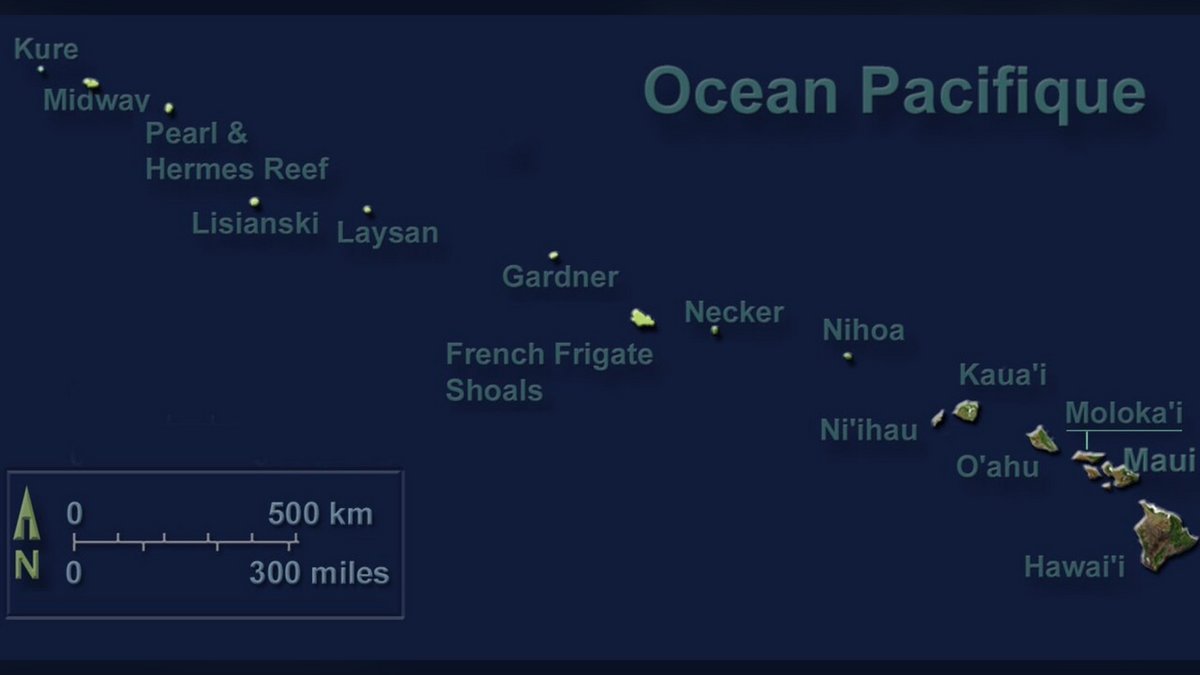
This documentary takes learners to Hawaii, a chain of volcanic islands in the Pacific Ocean. It explains how the islands form from hot rock under the sea, compares Mauna Kea with Mount Everest, and visits Kīlauea and Mauna Loa on the Big Island. It also presents the nēnē, Pele in Native Hawaiian stories, James Dole and the pineapple trade, and how Hawaii became the fiftieth state in 1959. The main grammar is the present simple to describe places, with the past simple for dated facts such as "In 1901, a young American called James Dole planted pineapples". Learners practise listening comprehension and nature and volcano vocabulary.
Materials & prerequisites
- A student sheet and a teacher sheet (PDF and HTML versions) in `printables/`.
- Learners should know the present simple, basic comparatives and superlatives, and "there is / there are".
- A few past simple forms are useful, for dated facts only.
Curriculum alignment
Tagged `c3-child-and-living-world`: cycle 3 (6e). The episode targets CEFR A2+.
Możliwe adaptacje
- Słabsze poziomy: zaproponuj słuchanie partiami i dodatkowe materiały wizualne.
- Poziomy zaawansowane: zachęć do ustnego streszczenia i debaty po angielsku na ten temat.
- Liczne klasy: zorganizuj pracę w grupach ze zróżnicowanymi rolami.
🔒 Treść zastrzeżona
Ten zasób wymaga abonamentu, aby z niego skorzystać.
Odblokuj zasóbW cenie abonamentuTagi
- Documentary
- Present simple
- Past simple: regular verbs
- Past simple: irregular verbs
- Logical connectors
- Environment
- Wild animals
- Natural disasters
- Wildlife conservation
- US states
- National parks
- Child and living world
- Listening comprehension
- Vocabulary building
- Cultural awareness
- Animals & nature
- Exploring America
- Our World
- Places & Journeys