Animals & Creatures of Australia
Ein pädagogisches Material, das Ihren Englischunterricht lebendiger macht.
Über die Serie
Animals & Creatures of Australia ist eine Dokumentarserie, in der die Schülerinnen und Schüler pro Folge ein australisches Tier kennenlernen, vom Känguru und Koala bis zum Schnabeltier und der Sydney-Trichternetzspinne. Jedes Tier wird auf drei GER-Niveaus erzählt, A1, A2 und B1, mit trockenem britischem Humor, der wissenschaftliche Fakten zu Lebensraum, Verhalten und Ernährung in einprägsame Vergleiche verwandelt. Die Serie baut Wortschatz rund um Wildtiere und Natur auf und trainiert dabei Hörverstehen und kulturelles Bewusstsein, für ein Publikum von 11 bis 15 Jahren.
Die Episoden (10)
 1
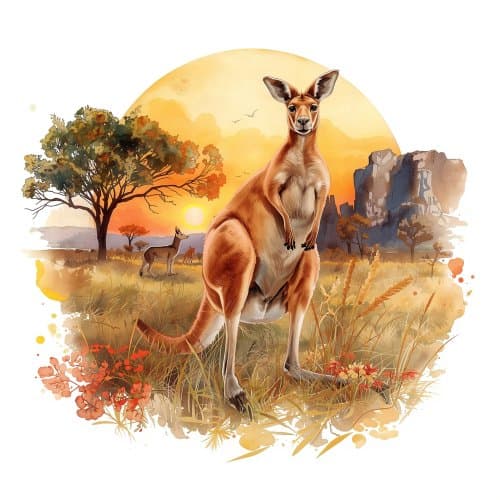
Get ready to meet Australia's champion hopper! Discover why these incredible marsupials hop everywhere, how they stick together in groups called "mobs," and why they're such an icon of the Land Down Under.
3:44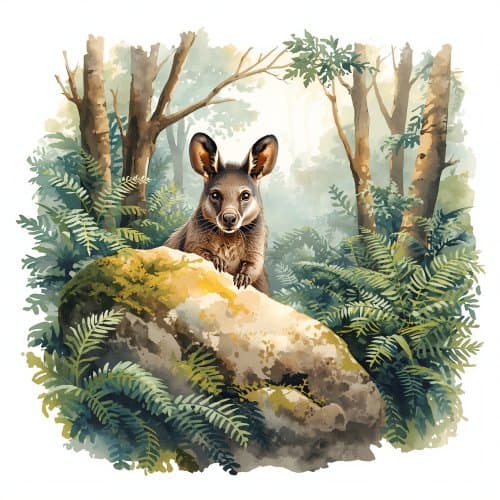 2
Hop on over to the wallaby's world! Learn all about these smaller, super-agile cousins of the kangaroo and find out how they manage to live in so many different kinds of places.
3:25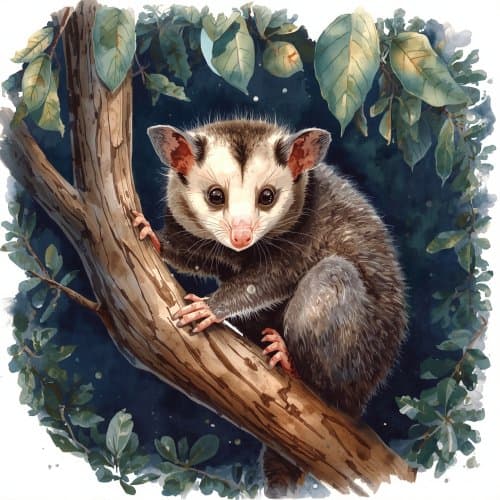 3
What goes bump in the night? It's the possum! Learn about these amazing nocturnal climbers who love to hang out in trees and sometimes even sneak into the city for a snack.
4:03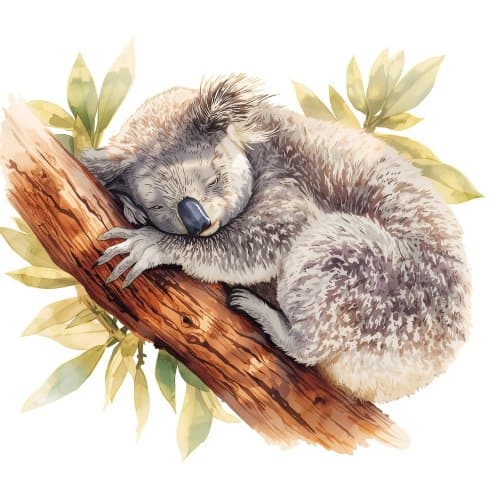 4
Time for a nap! Explore the sleepy life of the koala, a fluffy tree-dweller with a big appetite for eucalyptus leaves, and see why it's one of Australia's most beloved animals.
4:18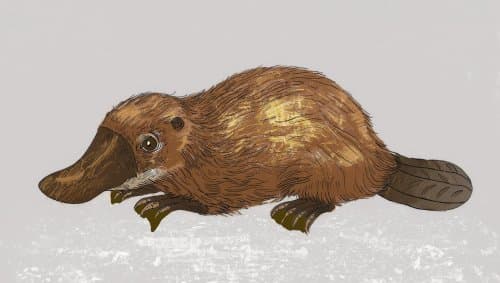 5
Dive into the strange and wonderful world of the platypus! Discover how this funny-looking animal with a duck bill, beaver tail, and otter feet lives, hunts, and surprises scientists with its amazing abilities.
5:14 6
The animal with square poo. The wombat makes its house under the land. It sleeps sixteen hours a day, and it can run very fast on its short legs.
5:08 7
The bird with a crest on its head. Cockatoos are big, noisy parrots from Australia: they have a crest on their head and a very strong beak, they live for a long time, and some can dance.
4:03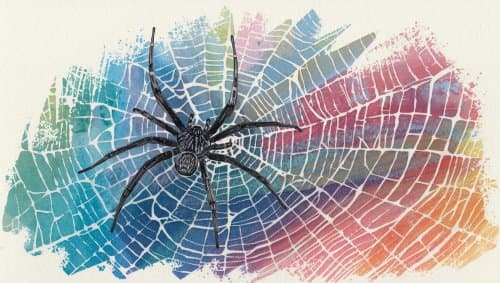 8
Creep into the hidden home of the funnel-web spider! Learn how this fast, clever spider builds its special tunnel-shaped web and why it is known as one of Australia’s most famous arachnids.
4:00
Die 2 weiteren Episoden anzeigen
 9
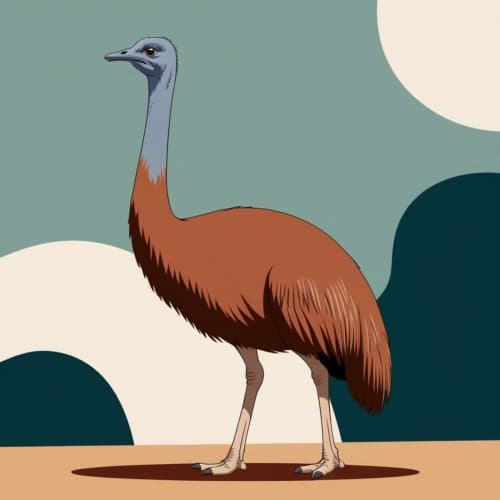
The bird that cannot fly. The emu is the biggest bird in Australia; it cannot fly, but it runs very fast, and the father looks after the eggs.
4:32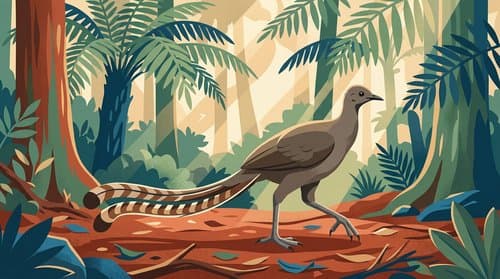 10
The bird that copies every sound. The male lyrebird opens a tail shaped like an old musical instrument, and he can sing the song of other birds, or the sound of a camera or a car.
3:47
- 1
Get ready to meet Australia's champion hopper! Discover why these incredible marsupials hop everywhere, how they stick together in groups called "mobs," and why they're such an icon of the Land Down Under.
4:24 - 2
Hop on over to the wallaby's world! Learn all about these smaller, super-agile cousins of the kangaroo and find out how they manage to live in so many different kinds of places.
4:56 - 3
What goes bump in the night? It's the possum! Learn about these amazing nocturnal climbers who love to hang out in trees and sometimes even sneak into the city for a snack.
5:04 - 4
Time for a nap! Explore the sleepy life of the koala, a fluffy tree-dweller with a big appetite for eucalyptus leaves, and see why it's one of Australia's most beloved animals.
4:46 - 5
Dive into the strange and wonderful world of the platypus! Discover how this funny-looking animal with a duck bill, beaver tail, and otter feet lives, hunts, and surprises scientists with its amazing abilities.
4:48 - 6
Australia's great digger. The wombat digs burrows sixty metres long, can run forty kilometres an hour, and leaves cube-shaped poo on rocks to mark its territory.
4:21 - 7
Australia's noisy, clever parrot. Cockatoos are parrots with a crest of special feathers; they use their strong bill like a third foot, live for about 50 years, copy human words and even dance to music.
4:39 - 8
Creep into the hidden home of the funnel-web spider! Learn how this fast, clever spider builds its special tunnel-shaped web and why it is known as one of Australia’s most famous arachnids.
6:15
Die 2 weiteren Episoden anzeigen
- 9
Australia's fast bird that cannot fly. The emu cannot fly, but it can run fifty kilometres an hour; meet the father who looks after the chicks, and hear the strange story of the Great Emu War.
5:20 - 10
Australia's bird with a tail like a lyre. The lyrebird has no song of its own: it listens to the forest and repeats it perfectly, from other birds to a dog, a camera or a car alarm.
5:17
- 1
Get ready to meet Australia's champion hopper! Discover why these incredible marsupials hop everywhere, how they stick together in groups called "mobs," and why they're such an icon of the Land Down Under.
5:00 - 2
Hop on over to the wallaby's world! Learn all about these smaller, super-agile cousins of the kangaroo and find out how they manage to live in so many different kinds of places.
4:41 - 3
What goes bump in the night? It's the possum! Learn about these amazing nocturnal climbers who love to hang out in trees and sometimes even sneak into the city for a snack.
4:34 - 4
Time for a nap! Explore the sleepy life of the koala, a fluffy tree-dweller with a big appetite for eucalyptus leaves, and see why it's one of Australia's most beloved animals.
5:53 - 5
Dive into the strange and wonderful world of the platypus! Discover how this funny-looking animal with a duck bill, beaver tail, and otter feet lives, hunts, and surprises scientists with its amazing abilities.
4:36 - 6
The underground builder of Australia. A relative of the koala, the wombat builds tunnel systems up to sixty metres long, can run at forty kilometres an hour, and carries its young in a pocket that faces backwards.
5:02 - 7
The parrot that dances for fun. Cockatoos raise a crest of tall feathers, use their bill as a third foot and mostly prefer their left foot, and the Palm cockatoo even drums on dead branches with a stick.
5:05 - 8
Creep into the hidden home of the funnel-web spider! Learn how this fast, clever spider builds its special tunnel-shaped web and why it is known as one of Australia’s most famous arachnids.
4:18
Die 2 weiteren Episoden anzeigen
- 9
The bird that won a war. Australia's largest bird cannot fly, but it can sprint at 50 kilometres per hour, and in 1932 it even defeated soldiers in the Great Emu War.
4:05 - 10
One of the best mimics in the world. Australia's Superb lyrebird copies almost anything it hears, from other birds to a chainsaw, then raises sixteen tail feathers over its head and dances on a mound of earth.
4:17
Pädagogischer Leitfaden
Ziel & Inhalt
Animals & Creatures of Australia ist eine Dokumentarserie, die pro Folge ein australisches Tier vorstellt: Känguru, Wallaby, Opossum, Koala, Schnabeltier, Trichternetzspinne, Emu und Leierschwanz. Jedes Tier wird eigens auf drei GER-Niveaus geschrieben, A1, A2 und B1, sodass dasselbe Thema für eine Klasse mit gemischtem Niveau geeignet ist. Ein namenloser Erzähler, der selbst zugibt, kein Experte zu sein, beschreibt Aussehen, Lebensraum, Verhalten und Ernährung des Tieres in trockenem, understatement-geprägtem britischem Stil: Ein gefährlicher Räuber ist schlicht „nicht der Typ, den man zum Tee einladen würde“. Jede Folge endet mit einem Verständnisquiz in der App.
Didaktischer Leitfaden
Die Serie baut Wortschatz rund um Wildtiere und Natur auf (Beschreibung des Aussehens, Lebensraum, Körperteile), und zwar durch Vergleiche statt durch Definitionen: Auf einen Fachbegriff folgt immer ein Alltagsbild, das sich Schülerinnen und Schüler vorstellen können (Biolumineszenz als „ein lebendiges Knicklicht”). Der leichte Ton macht ein faktenreiches Thema schon auf Niveau A1 zugänglich. Da jedes Tier für jedes Niveau eigens geschrieben wird und nicht Zeile für Zeile aus einem einzigen Skript vereinfacht ist, kann eine Klasse ein bekanntes Thema ein Jahr später auf einem höheren Niveau erneut aufgreifen, ohne denselben Text zu wiederholen. Das Quiz am Ende jeder Folge prüft die vom Erzähler genannten Kernfakten: Einordnung, Lebensraum, Ernährung und eine einprägsame Anekdote.
Vorgeschlagener Ablauf
- Wählen Sie das Tier und das zu Ihrer Klasse passende Niveau aus und spielen Sie die Folge einmal ganz ab.
- Machen Sie nach der körperlichen Beschreibung eine Pause und lassen Sie die Klasse das Tier mit eigenen Worten beschreiben.
- Spielen Sie den zentralen Vergleich der Folge (z. B. „ein lebendiges Knicklicht“) noch einmal ab und prüfen Sie, ob die Klasse ihn mit eigenen Worten erklären kann.
- Lassen Sie das Verständnisquiz der App als Klasse oder einzeln bearbeiten.
- Vergleichen Sie zwei Tiere aus der Serie (zum Beispiel Känguru und Koala), um den Wortschatz zur körperlichen Beschreibung zu wiederholen.
- Greifen Sie bei einer fortgeschritteneren Klasse dasselbe Tier später im Jahr auf Niveau A2 oder B1 wieder auf, um das Thema zu vertiefen.
Mögliche Anpassungen
- Schwächere Niveaus: Bieten Sie ein abschnittsweises Hören und ergänzende visuelle Hilfen an.
- Fortgeschrittene Niveaus: Regen Sie eine mündliche Zusammenfassung und eine Diskussion auf Englisch zum Thema an.
- Große Gruppen: Organisieren Sie eine Gruppenarbeit mit unterschiedlichen Rollen.
🔒 Eingeschränkter Inhalt
Für dieses Material ist ein Abonnement erforderlich.
Material freischaltenIm Abonnement enthalten