Listen Up!
Zasób dydaktyczny pomyślany, by dodać energii Twoim lekcjom angielskiego.
O serii
Short everyday conversations to listen to on your own: buying tickets, ordering in a café, asking the way, a phone call to a friend. Each episode is about a minute long, with two or three speakers, a small problem to follow and details to catch: times, prices, numbers and names. Clear British voices, a new cast and a new place every time.
Odcinki (30)
 1
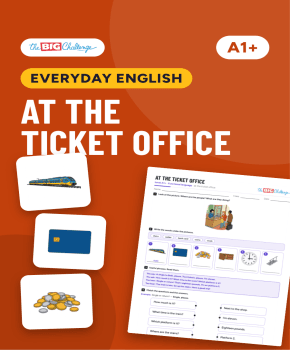
Listen, then answer. Listen to a conversation (at the ticket office), then answer the questions. Can you catch the details?
1:09 2
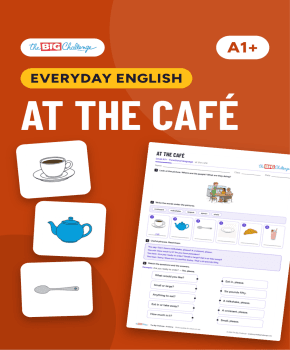
Listen, then answer. Listen to a conversation (at the café), then answer the questions. Can you catch the details?
1:02 3
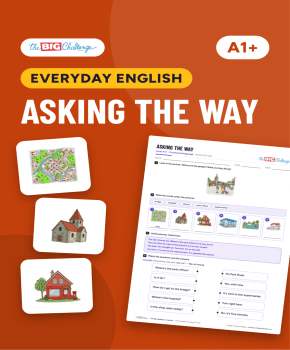
Listen, then answer. Listen to a conversation (asking the way), then answer the questions. Can you catch the details?
1:17 4
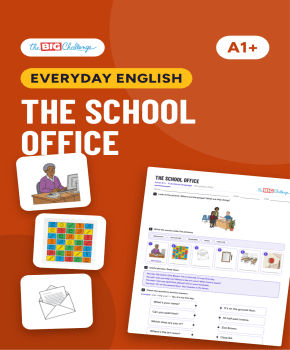
Listen, then answer. Listen to a conversation (the school office), then answer the questions. Can you catch the details?
1:15 5
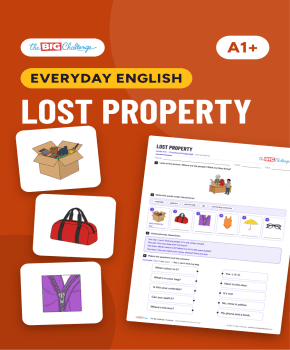
Listen, then answer. Listen to a conversation (lost property), then answer the questions. Can you catch the details?
1:00 6
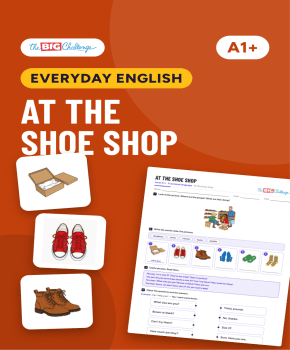
Listen, then answer. Listen to a conversation (at the shoe shop), then answer the questions. Can you catch the details?
1:15 7
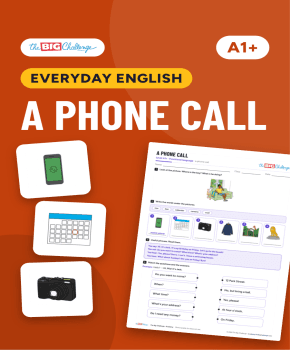
Listen, then answer. Listen to a conversation (a phone call), then answer the questions. Can you catch the details?
0:56 8
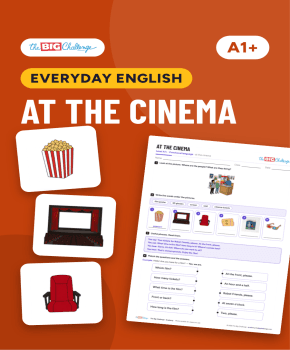
Listen, then answer. Listen to a conversation (at the cinema), then answer the questions. Can you catch the details?
1:00
Zobacz pozostałe odcinki (2)
 9
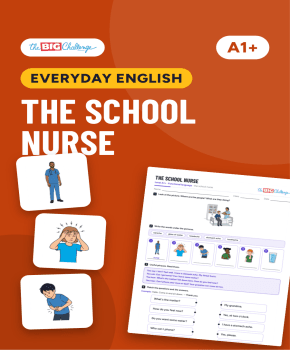
Listen, then answer. Listen to a conversation (the school nurse), then answer the questions. Can you catch the details?
1:28 10
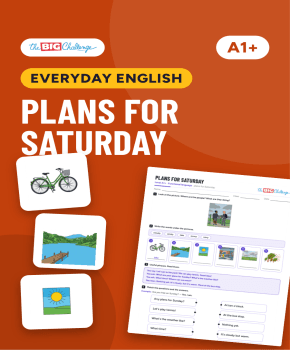
Listen, then answer. Listen to a conversation (plans for saturday), then answer the questions. Can you catch the details?
1:00
 1
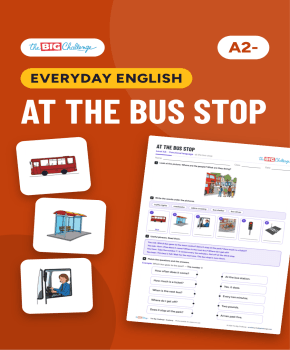
Listen, then answer. Listen to a conversation (at the bus stop), then answer the questions. Can you catch the details?
1:12 2
Listen, then answer. Listen to a conversation (at the swimming pool), then answer the questions. Can you catch the details?
1:25 3
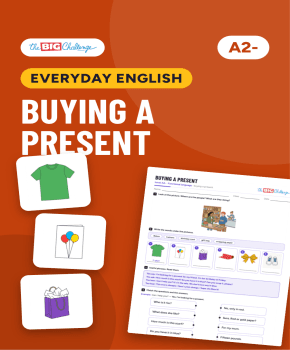
Listen, then answer. Listen to a conversation (buying a present), then answer the questions. Can you catch the details?
1:10 4
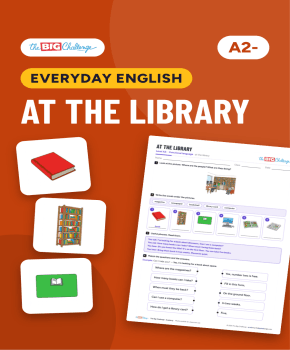
Listen, then answer. Listen to a conversation (at the library), then answer the questions. Can you catch the details?
1:26 5
Listen, then answer. Listen to a conversation (at the market), then answer the questions. Can you catch the details?
1:11 6
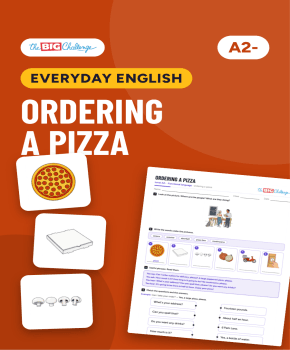
Listen, then answer. Listen to a conversation (ordering a pizza), then answer the questions. Can you catch the details?
1:22 7
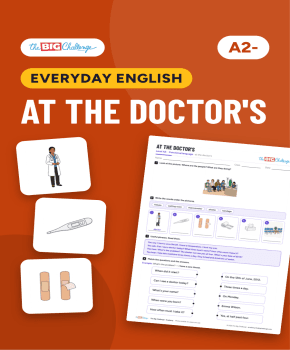
Listen, then answer. Listen to a conversation (at the doctor's), then answer the questions. Can you catch the details?
1:25 8
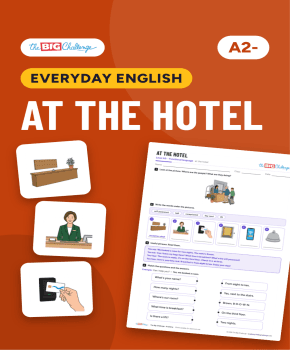
Listen, then answer. Listen to a conversation (at the hotel), then answer the questions. Can you catch the details?
1:21
Zobacz pozostałe odcinki (12)
 9
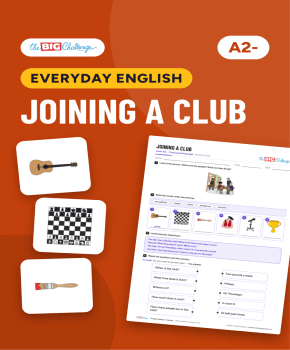
Listen, then answer. Listen to a conversation (joining a club), then answer the questions. Can you catch the details?
1:11 10
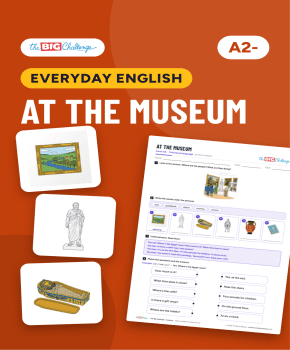
Listen, then answer. Listen to a conversation (at the museum), then answer the questions. Can you catch the details?
1:27 11
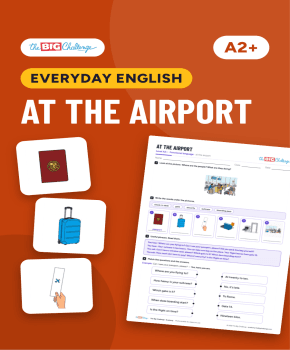
Listen, then answer. Listen to a conversation (at the airport), then answer the questions. Can you catch the details?
1:43 12
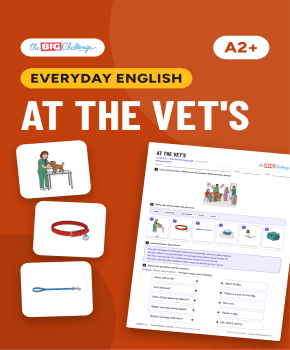
Listen, then answer. Listen to a conversation (at the vet's), then answer the questions. Can you catch the details?
1:33 13
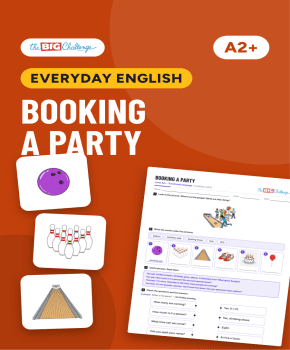
Listen, then answer. Listen to a conversation (booking a party), then answer the questions. Can you catch the details?
1:22 14
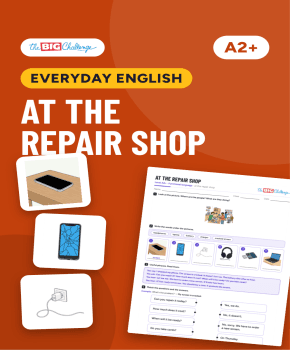
Listen, then answer. Listen to a conversation (at the repair shop), then answer the questions. Can you catch the details?
1:32 15
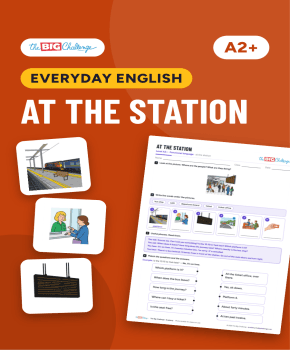
Listen, then answer. Listen to a conversation (at the station), then answer the questions. Can you catch the details?
1:26 16
Listen, then answer. Listen to a conversation (taking something back), then answer the questions. Can you catch the details?
1:27 17
Listen, then answer. Listen to a conversation (at the bike shop), then answer the questions. Can you catch the details?
1:16 18
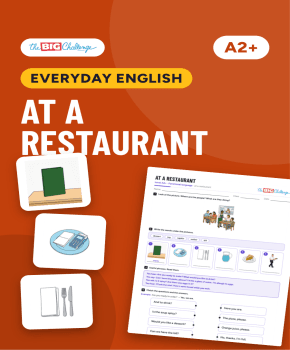
Listen, then answer. Listen to a conversation (at a restaurant), then answer the questions. Can you catch the details?
1:22 19
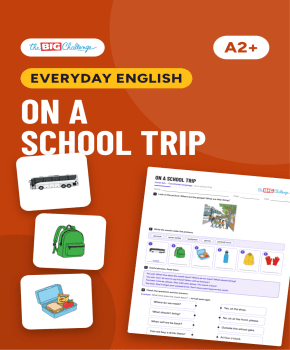
Listen, then answer. Listen to a conversation (a school trip), then answer the questions. Can you catch the details?
1:22 20
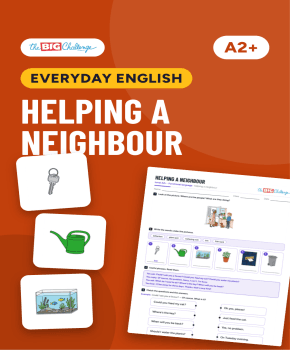
Listen, then answer. Listen to a conversation (a favour for a neighbour), then answer the questions. Can you catch the details?
1:26
Przewodnik dydaktyczny
Objective & content
Listen Up! is a listening series of everyday situations: buying train tickets, ordering in a café, asking the way, going to the school office, a phone call to a friend, the school nurse. Each episode is one conversation of about a minute between two or three people, with a new cast and a new place every time, and each has a small problem to follow and details to catch: times, prices, numbers and names. The episodes run from A1+ to A2+, spoken in clear British English. One scene picture of the place, with no people and no writing, shows at the start and then fades, so that pupils listen rather than look.
Pedagogical guide
The series is built for pupils working on their own, on a device with headphones, as many times as they need. They listen for the gist first, then for the details, then answer questions in three groups: listening (the situation, then the details), words, and useful phrases. The conversations model the polite, practical English of everyday life (Can I pay by card? Can you spell that, please? Is there another time?). There is no script and there are no captions on screen, and the app gives no translations: a pupil who needs a word uses a dictionary. Each episode page has its own teacher notes, the script and an optional follow-up in class. For class, each episode also has a two-page printable situation pack (useful words and phrases, a dialogue to complete, the episode through a QR code, a role-play): search the teaching resources for the episode's name.
Suggested procedure
- Pupils open the episode on their own, with headphones, and listen once all the way through.
- They answer the listening questions, replaying the conversation as often as they need.
- They finish with the words and the useful phrases.
- Back in class (optional, about 10 minutes): ask what the problem was and how it was settled.
- In pairs or threes, pupils act out the same situation with their own details (another time, another price, another name).
Możliwe adaptacje
- Słabsze poziomy: zaproponuj słuchanie partiami i dodatkowe materiały wizualne.
- Poziomy zaawansowane: zachęć do ustnego streszczenia i debaty po angielsku na ten temat.
- Liczne klasy: zorganizuj pracę w grupach ze zróżnicowanymi rolami.
🔒 Treść zastrzeżona
Ten zasób wymaga abonamentu, aby z niego skorzystać.
Odblokuj zasóbW cenie abonamentuKryteria dydaktyczne
Tematy do dyskusji wokół serii
Po wysłuchaniu odcinka prezentacja wyświetlana na tablicy wciąga do rozmowy całą klasę: pytanie, słowa potrzebne do odpowiedzi, debata.