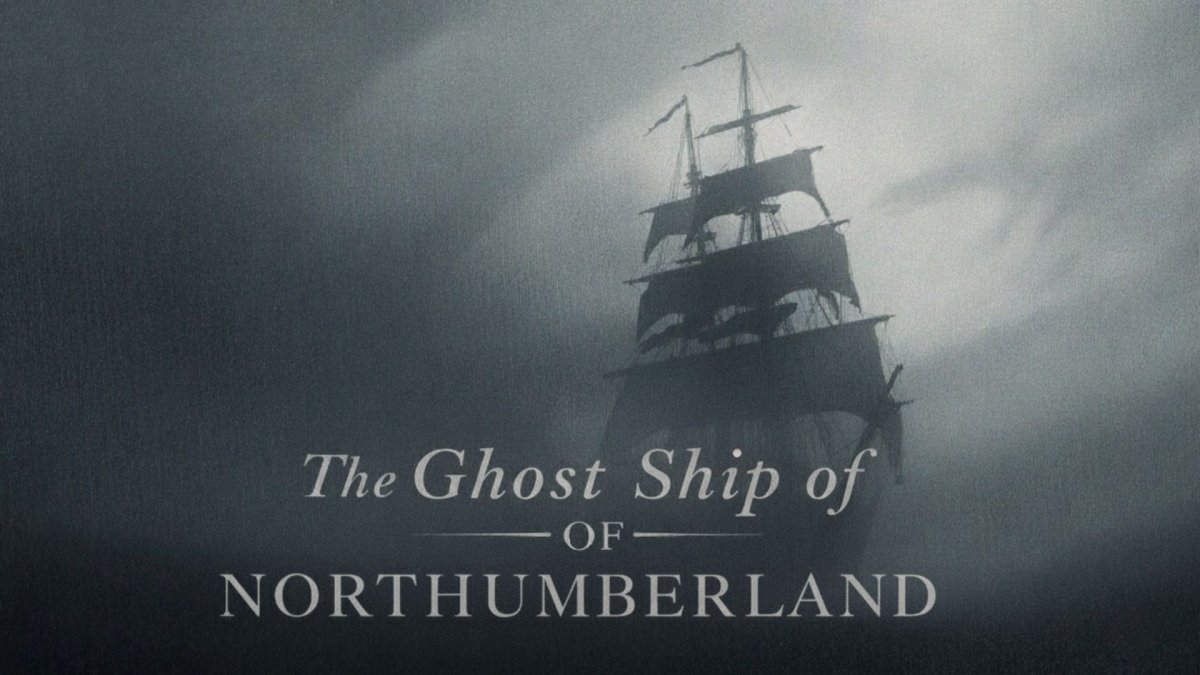
The Ghost Ship of Northumberland Strait: Canada's Phantom Sails
Episode of the series Legendary Worlds
- Illustrated slideshow (33 images)
- Glossary
- Comprehension quiz
- Cultural notes
 Extract · 30 s
The episode
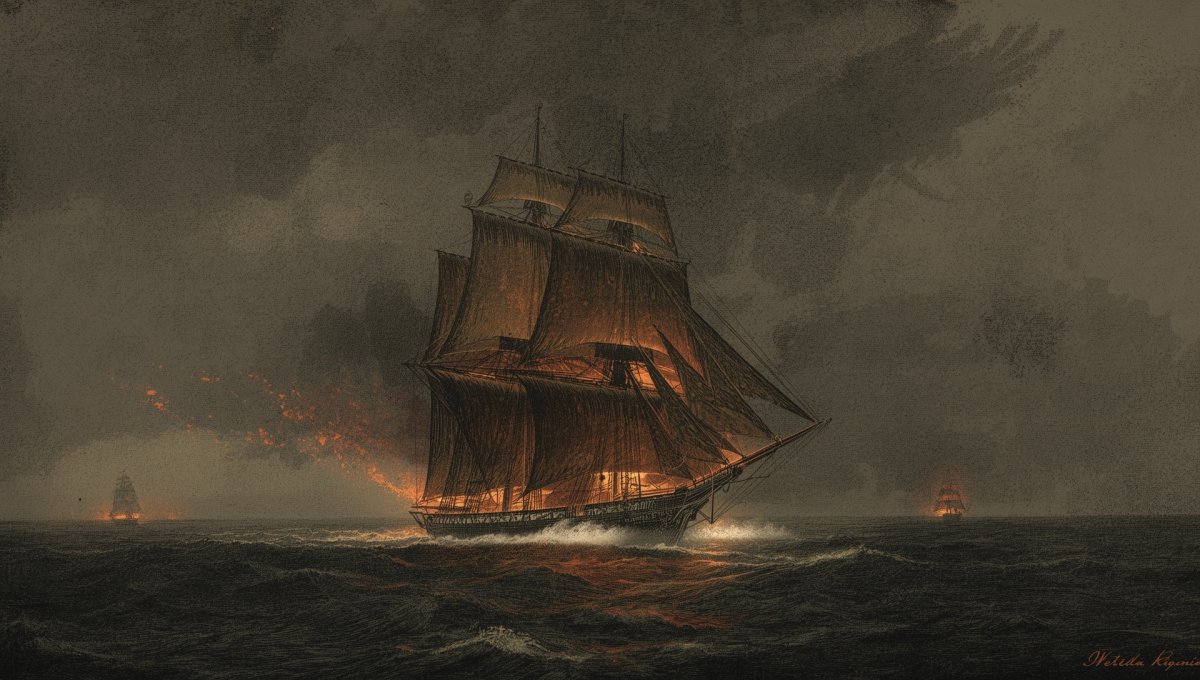
Shiver me timbers! Discover Canada's most famous ghost story, a tale of a beautiful schooner that appears on fire with its crew in distress, only to vanish into thin air, leaving people scratching their heads.
Episode worksheets (2)
- Student sheet In your teacher account
- Teacher sheet In your teacher account
Teaching guide
Objective & content
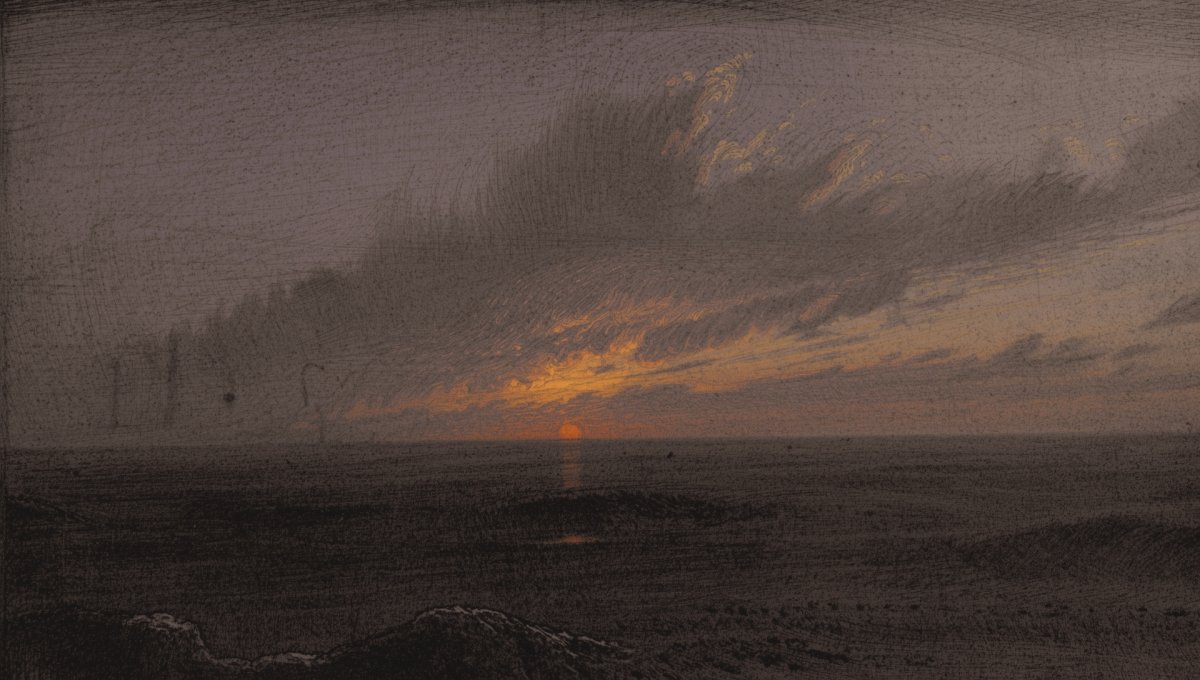
This documentary presents the legend of the Ghost Ship of Northumberland Strait, between Prince Edward Island, Nova Scotia and New Brunswick in Canada. The narrator first asks listeners to picture a burning ship at sunset that disappears. The script then gives the first written report (1786), the 1900 sighting by men from Charlottetown, and three explanations: a lost ship, a French ship and a pirate ship. It also gives two natural explanations, St. Elmo's fire and hot and cold air over the water. Learners practise present simple to describe a scene and past simple (was, were) for the history, with the vocabulary of legends and ships (for example "A mast is the tall, strong pole on a ship that holds the sails"). The main skill is listening comprehension, followed by the in-app quiz.
Materials & prerequisites
- Printable sheets in the episode folder: a printable (`printable.md`), a student sheet and a teacher sheet (HTML and PDF).
- Prerequisites: present simple, past simple of "be" (was, were), articles (a, an, the) and basic prepositions of place and time.
Curriculum alignment
Tagged c3-child-and-imagination (cycle 3, 6e). The episode targets CEFR level A1-.
Possible adaptations
- Lower levels: Offer segmented listening and additional visual aids.
- Advanced levels: Encourage an oral summary and a debate in English on the theme.
- Large groups: Organise group work with differentiated roles.
🔒 Restricted content
This resource requires a subscription to be viewed.
Unlock the resourceIncluded in the subscriptionTags
- Past simple: was / were
- Present simple
- Articles: a / an / the
- Prepositions of place and time
- Adjectives: basics
- Myths & legends
- Adventure
- Transport
- UK nations & regions
- Child and imagination
- Listening comprehension
- Vocabulary building
- Cultural awareness
- Be (affirmative)
- Tales & legends
- Mystery & adventure
- Travel & transport
- Stories & Imagination
- Places & Journeys