The Empire State Building & the skyscraper boom
Episode of the series Man-made Wonders of America
- Illustrated slideshow (52 images)
- Glossary (15 words)
- Comprehension quiz (18 questions)
- Cultural notes
 Extract · 30 s
The episode
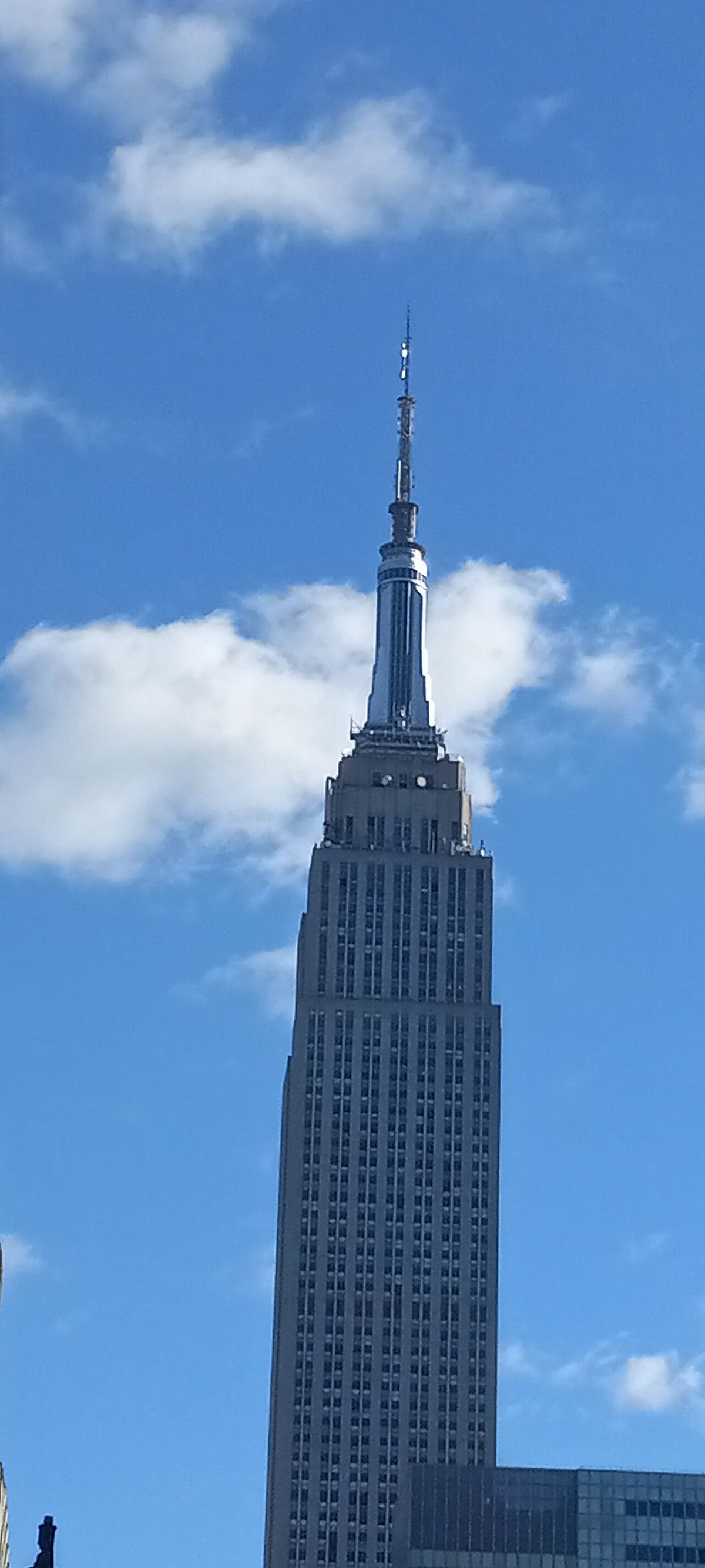
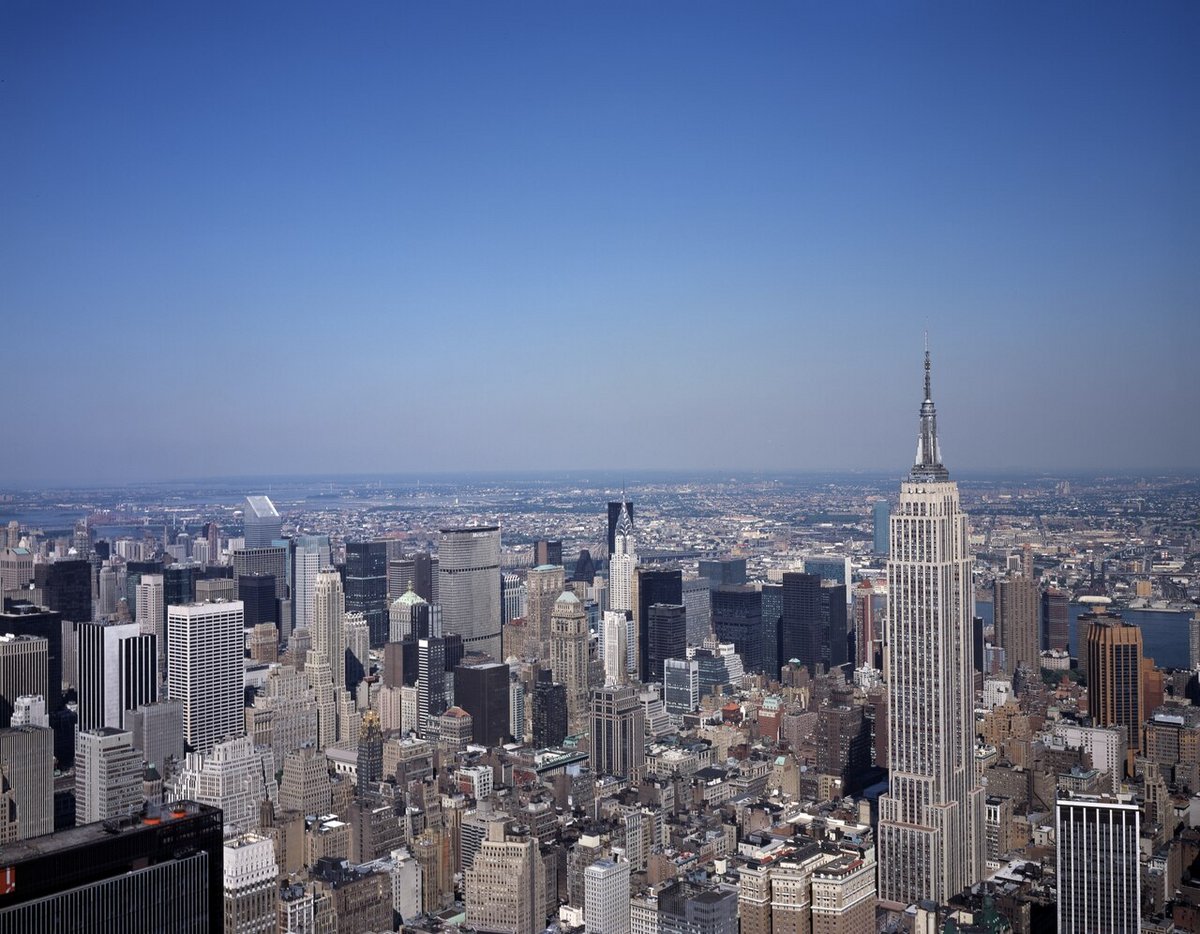
The race to the sky. Manhattan is small and its land costs a fortune, so New York built upwards: in 1931 a silver spire on one hundred and two floors became the tallest building in the world.
Episode worksheets (2)
- Student sheet In your teacher account
- Teacher sheet In your teacher account
Teaching guide
Objective & content
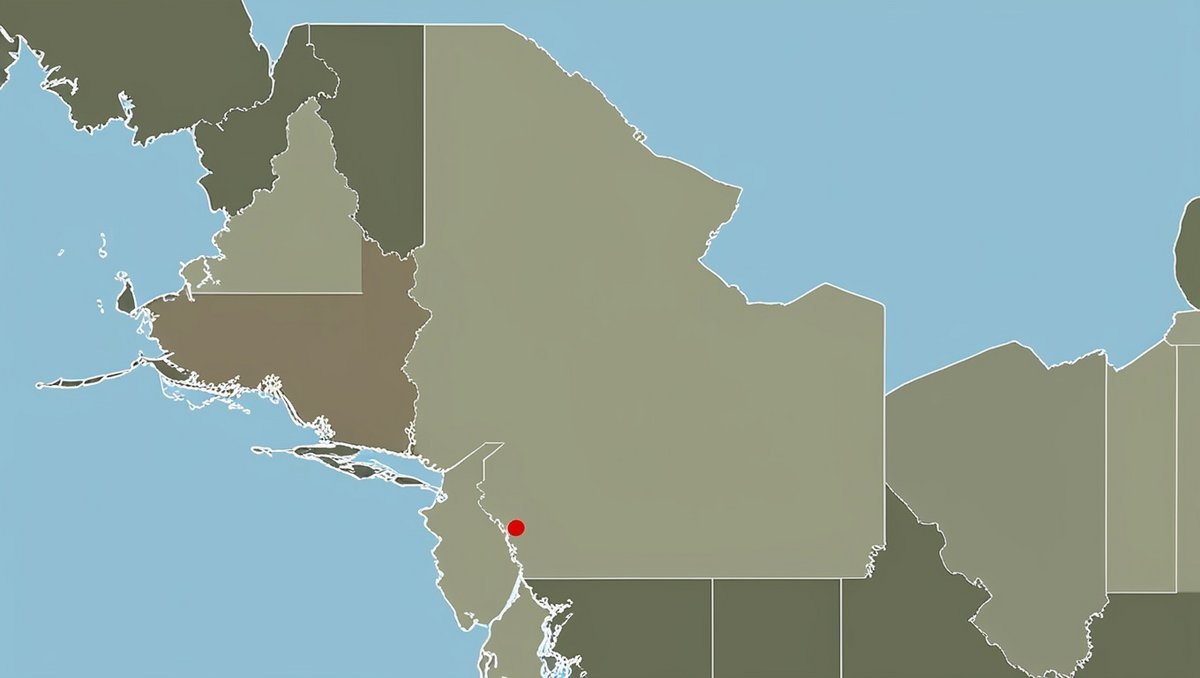
This A2+ documentary presents the Empire State Building on the island of Manhattan, opened in 1931 as the tallest building in the world. The narrator explains why New York built upward (little space, rich companies, a race for height with the Chrysler Building) and how thousands of workers raised a steel frame in about 410 days during the Great Depression. It then compares the record with later towers, up to the Burj Khalifa at 828 metres. Language focus is present simple to describe the building and past simple for dated history, with comparatives and numbers. The main skill is listening comprehension, followed by the in-app quiz.
Materials & prerequisites
The episode comes with a student sheet and a teacher sheet (PDF and HTML). Learners should already know present simple, there is / there are, numbers above one hundred and basic past simple forms (was, were, started, opened).
Curriculum alignment
Tagged for cycle 3 (6e): "L'enfant et le temps qui passe" and "L'enfant et son environnement élargi". The episode targets CEFR A2+.
Possible adaptations
- Lower levels: Offer segmented listening and additional visual aids.
- Advanced levels: Encourage an oral summary and a debate in English on the theme.
- Large groups: Organise group work with differentiated roles.
🔒 Restricted content
This resource requires a subscription to be viewed.
Unlock the resourceIncluded in the subscriptionTags
- Documentary
- Present simple
- Past simple: was / were
- Past simple: regular verbs
- Past simple: irregular verbs
- Can: ability
- Logical connectors
- Historical dates
- Urban vs rural
- Jobs: basics
- New York
- Urban planning
- American Dream
- Child and passing time
- Child and wider environment
- Listening comprehension
- Vocabulary building
- Cultural awareness
- Exploring America
- Inventions & discoveries
- Work & jobs
- Places & Journeys
- Past & Progress
- Everyday Life