The Erie Canal
Episode of the series Man-made Wonders of America
- Illustrated slideshow (52 images)
- Glossary (15 words)
- Comprehension quiz (18 questions)
- 38 cultural notes
 Extract · 30 s
The episode
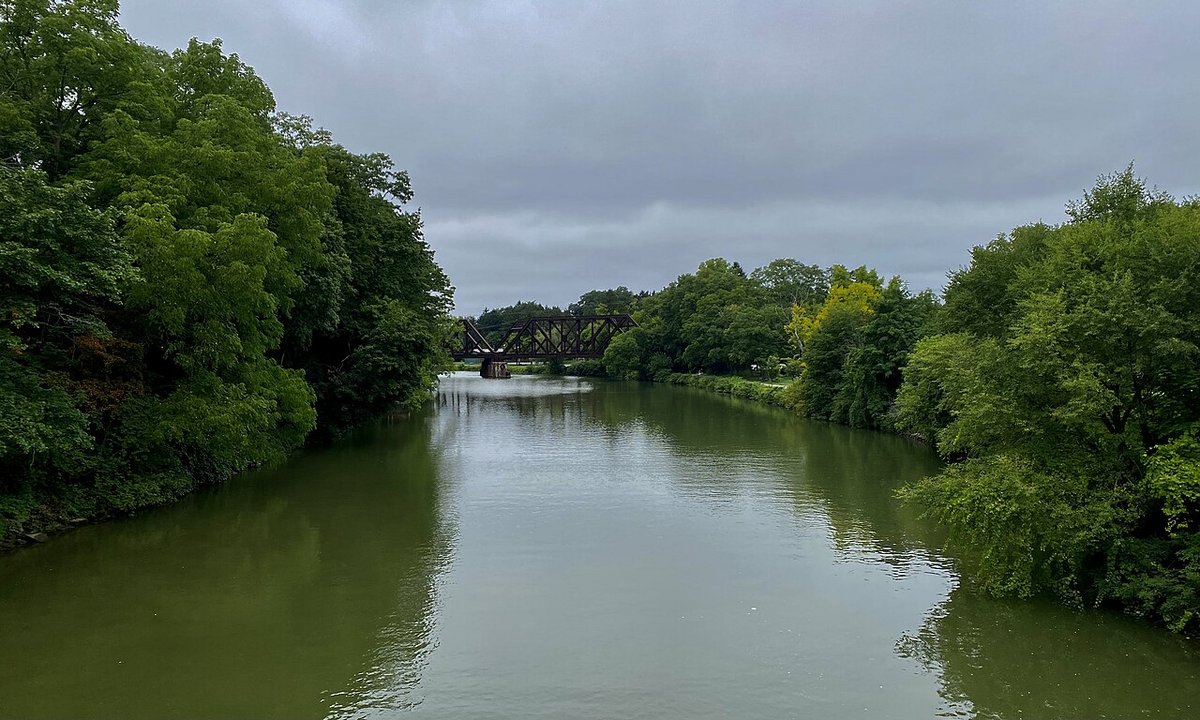
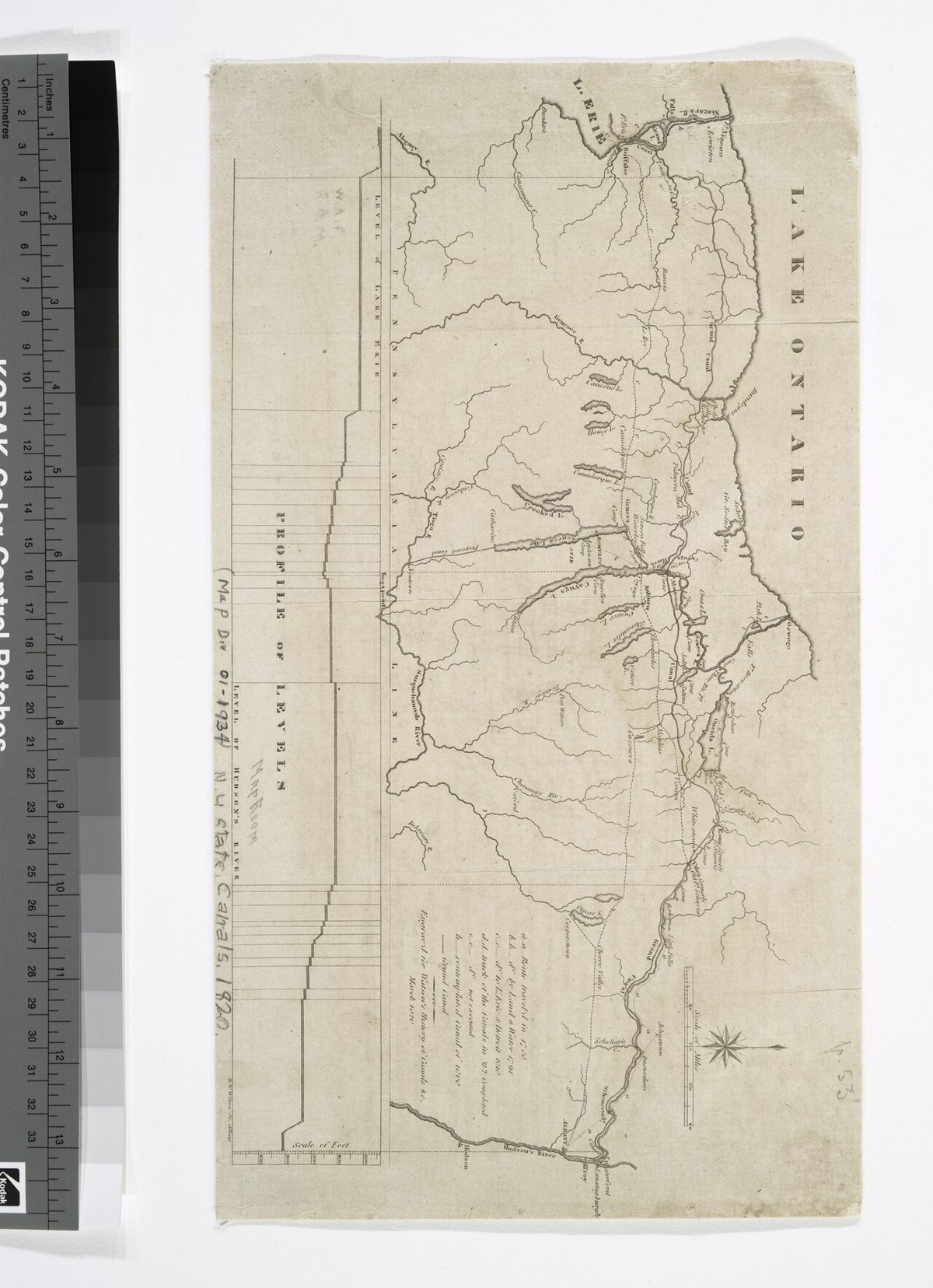
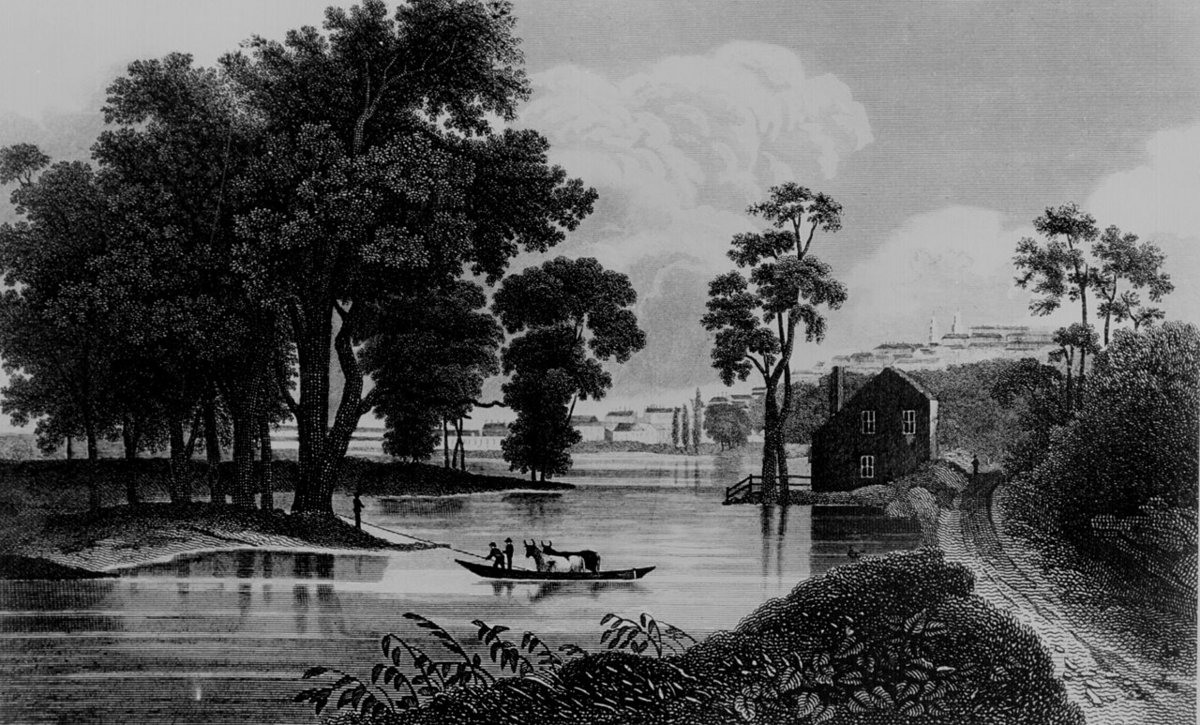
A river made by hand. Five hundred and eighty kilometres of straight water across New York State, dug by people and walked by horses, joining Lake Erie to the sea.
Episode worksheets (2)
- Student sheet In your teacher account
- Teacher sheet In your teacher account
Teaching guide
Objective & content
The documentary presents the Erie Canal, a water road about 580 kilometres long that joins the Hudson River at Albany to Lake Erie at Buffalo. It explains why it was built (no trains, slow and costly wagons), who pushed the idea (Governor DeWitt Clinton, whose critics called it "Clinton's Ditch"), how workers dug it and how locks and tow-path horses moved the boats. The grammar focus is present simple for the place today and past simple for dated build and history facts. The vocabulary covers transport, trade and jobs. Learners work on listening comprehension, then answer the in-app quiz.
Materials & prerequisites
- Student sheet and teacher sheet (PDF and HTML versions, in the printables folder).
- Prerequisites: present simple, regular and irregular past simple (was/were, built, dug, came), and basic dates.
Curriculum alignment
Tagged for cycle 3 (6e): the child and passing time, and the child and the wider environment. The episode targets CEFR level A2+.
Possible adaptations
- Lower levels: Offer segmented listening and additional visual aids.
- Advanced levels: Encourage an oral summary and a debate in English on the theme.
- Large groups: Organise group work with differentiated roles.
🔒 Restricted content
This resource requires a subscription to be viewed.
Unlock the resourceIncluded in the subscriptionTags
- Documentary
- Present simple
- Past simple: was / were
- Past simple: regular verbs
- Past simple: irregular verbs
- Can: ability
- Logical connectors
- Historical dates
- Transport
- Town & village
- Government
- Jobs: basics
- New York
- US states
- Industrial Revolution
- Child and passing time
- Child and wider environment
- Listening comprehension
- Vocabulary building
- Cultural awareness
- Exploring America
- Travel & transport
- Citizenship & society
- Places & Journeys
- Our World