The Transcontinental Railroad
Episode of the series Man-made Wonders of America
- Illustrated slideshow (49 images)
- Glossary (15 words)
- Comprehension quiz (18 questions)
- Cultural notes
 Extract · 30 s
The episode
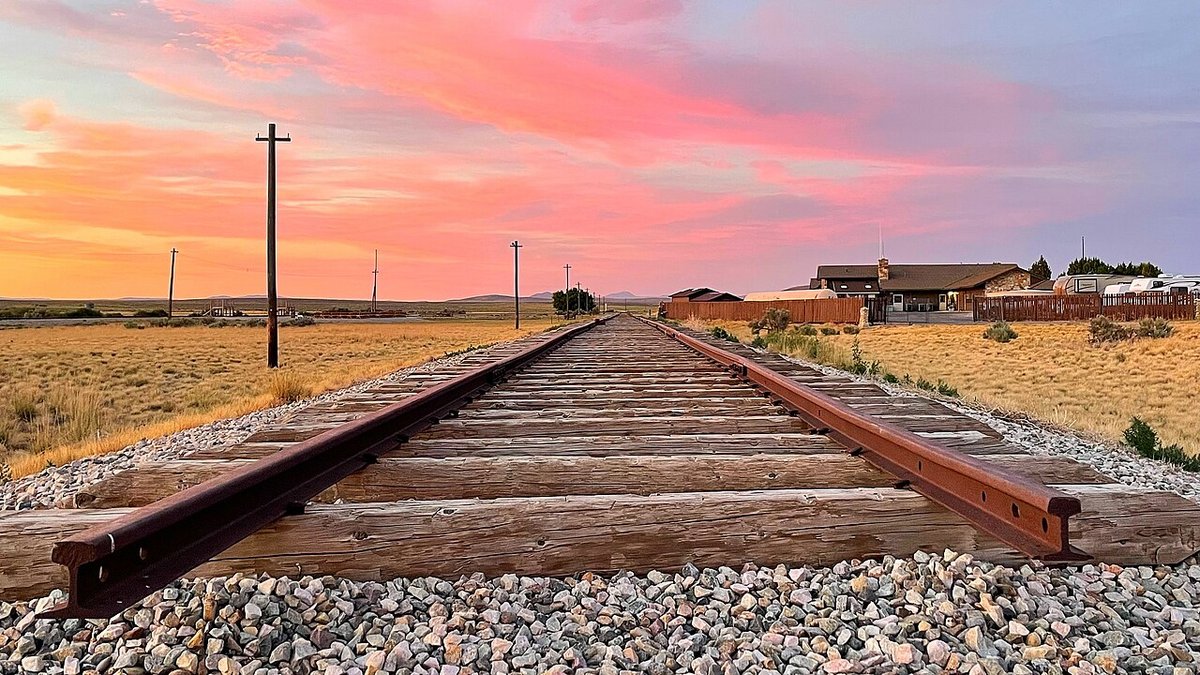
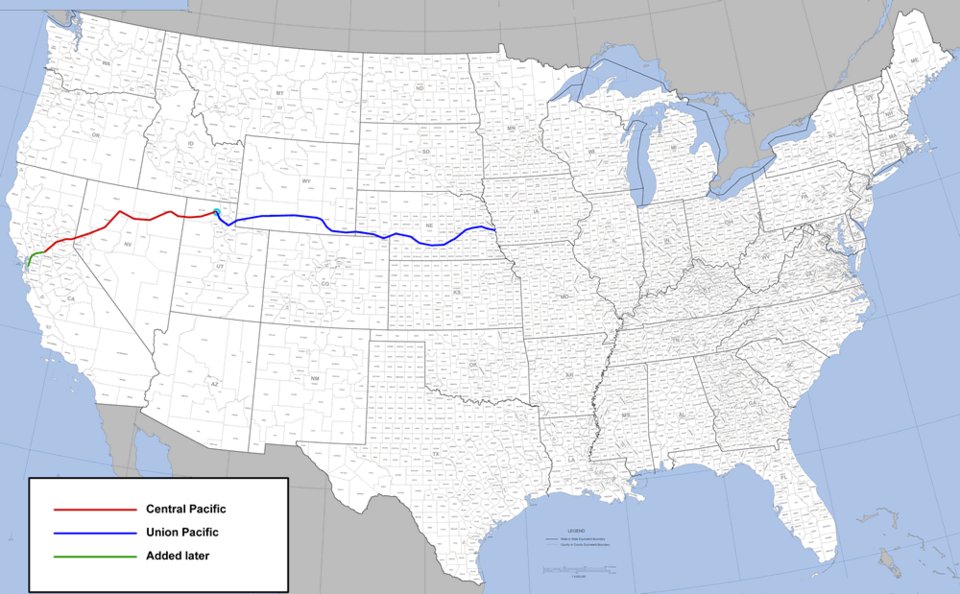
Two railroads that met in the middle. In the 1860s, one railroad built east from California and another built west across the plains; in May 1869 they met in Utah, and a journey of months became a journey of a week.
Episode worksheets (2)
- Student sheet In your teacher account
- Teacher sheet In your teacher account
Teaching guide
Objective & content
The documentary presents the Transcontinental Railroad, which joined the two coasts of America. It explains why it was built (crossing the country took months), how the Central Pacific and the Union Pacific raced towards each other, and how the lines met on 10 May 1869 at Promontory Summit with a golden spike. It names the thousands of Chinese workers who did hard, dangerous work and the cost for Native nations and the bison, in a calm, factual way. The grammar focus is present simple for description and past simple for dated history; the vocabulary covers transport, jobs and government. Learners work on listening comprehension, then answer the in-app quiz.
Materials & prerequisites
- Student sheet and teacher sheet (PDF and HTML versions, in the printables folder).
- Prerequisites: present simple, regular and irregular past simple (built, cut, met, took), and basic dates.
Curriculum alignment
Tagged for cycle 3 (6e): the child and passing time, and the child and the wider environment. The episode targets CEFR level A2+.
Possible adaptations
- Lower levels: Offer segmented listening and additional visual aids.
- Advanced levels: Encourage an oral summary and a debate in English on the theme.
- Large groups: Organise group work with differentiated roles.
🔒 Restricted content
This resource requires a subscription to be viewed.
Unlock the resourceIncluded in the subscriptionTags
- Documentary
- Present simple
- Past simple: was / were
- Past simple: regular verbs
- Past simple: irregular verbs
- Logical connectors
- Historical dates
- Transport
- Government
- Jobs: basics
- Immigration
- Wild animals
- US states
- Industrial Revolution
- National parks
- Child and passing time
- Child and wider environment
- Listening comprehension
- Vocabulary building
- Cultural awareness
- Travel & transport
- Exploring America
- Places & Journeys