Civil rights: Harriet Tubman
Odcinek serii Look Closer
- Ilustrowany pokaz slajdów (34 ilustracje)
- Słowniczek (20 słów)
- Quiz ze zrozumienia (10 pytań)
- 9 notatek kulturowych
 Fragment · 30 s
O odcinku
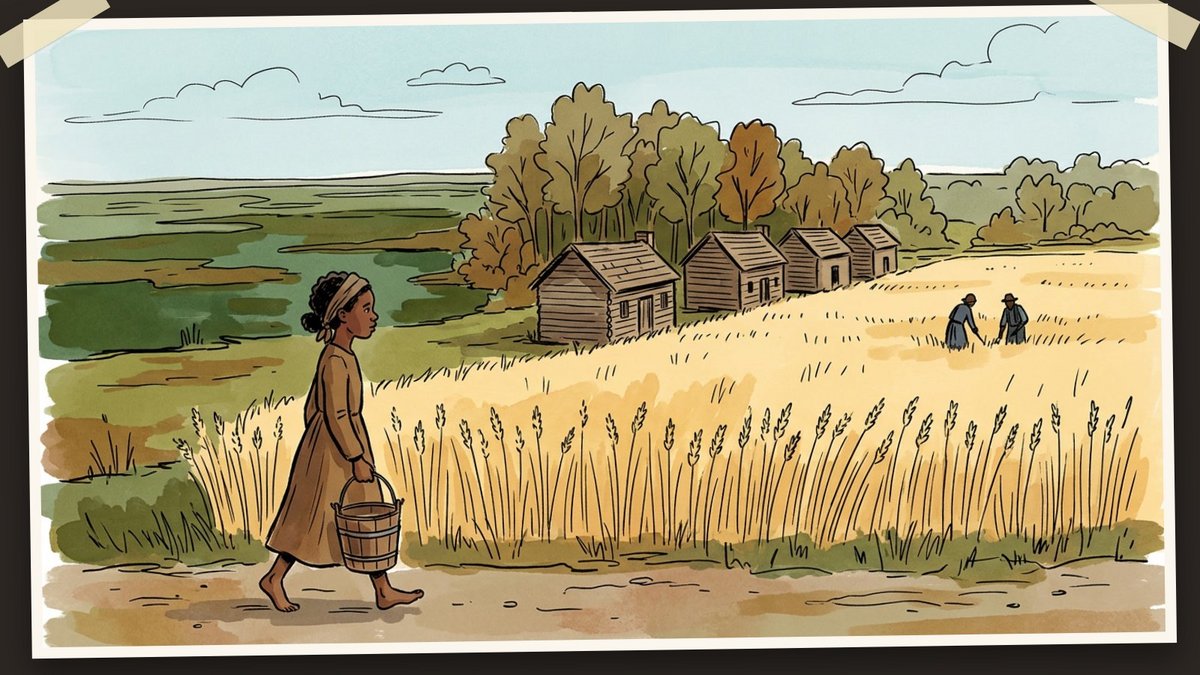
Harriet Tubman escaped from slavery in 1849 and went back to Maryland about thirteen times to lead about seventy people to freedom.
Karty pracy do odcinka (2)
- Karta pracy Na Twoim koncie nauczyciela
- Karta nauczyciela Na Twoim koncie nauczyciela
Przewodnik dydaktyczny
Objective & content
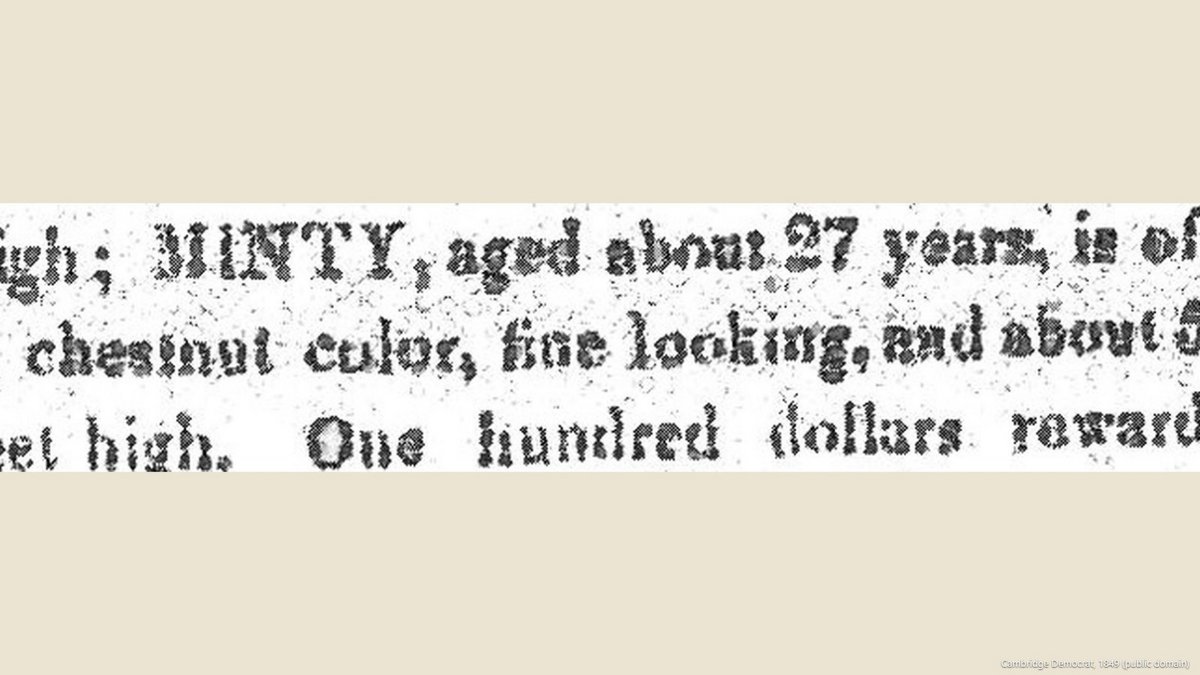
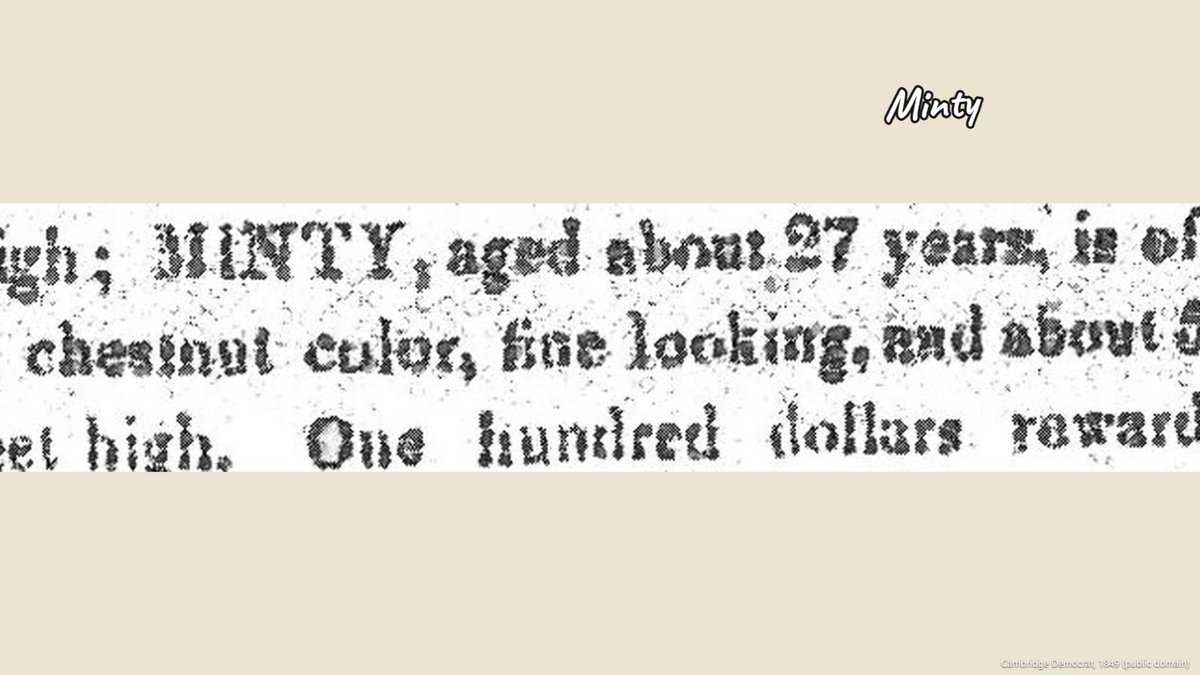
This Look Closer episode (Civil rights mini-series, episode 19) is a short documentary about Harriet Tubman, who was born into slavery in Maryland around 1822, escaped to Philadelphia in 1849 and went back about thirteen times to lead about seventy people to freedom on the Underground Railroad. A single narrator opens on a newspaper of 1849 that offered one hundred dollars for a young woman called Minty, explains why people called her "Moses", and states the facts of slavery plainly (an enslaved person belonged to another person; some of her sisters were sold). The narration tells her life in the past simple (regular and irregular verbs), with passive forms such as was born and were sold and one past perfect (had run away); its words are about slavery, escape and freedom. Learners listen, then answer the 10 questions in the app: 7 on facts and 3 on vocabulary (enslaved, the Underground Railroad, Moses). The study topic is people who stood up for equal rights: who they were, what they did, what changed.
Materials & prerequisites
The folder holds the audio, the slideshow and the script, and four one-page PDFs: a pupil pack (the text, three photos, ten key words, the 10 questions and the episode's closing question, Why did people call Harriet Tubman "Moses"?), a teacher pack with the answers highlighted, a pupil sheet with the 10 questions only, and a teacher sheet with the answer key. The three photos are Harriet Tubman around 1868, a map of Underground Railroad routes from 1898 and Harriet Tubman in 1911. It has no lesson plan. Learners should know the past simple of common verbs (was, went, came) and be able to read dates such as 1849 and 1913. The pack's key words explain the new words (enslaved, escape, freedom, network).
Curriculum alignment
Tagged c4-encountering-others ("Rencontre avec l'autre") and c4-travel-and-migration ("Voyages et migrations"), Cycle 4 (4e). The episode targets CEFR level A2+.
Możliwe adaptacje
- Słabsze poziomy: zaproponuj słuchanie partiami i dodatkowe materiały wizualne.
- Poziomy zaawansowane: zachęć do ustnego streszczenia i debaty po angielsku na ten temat.
- Liczne klasy: zorganizuj pracę w grupach ze zróżnicowanymi rolami.
🔒 Treść zastrzeżona
Ten zasób wymaga abonamentu, aby z niego skorzystać.
Odblokuj zasóbW cenie abonamentuTagi
- Past simple: irregular verbs
- Past simple: regular verbs
- Past simple: was / were
- Passive voice basics
- History of slavery
- Civil rights
- Famous people
- Historical dates
- US states
- Encountering others
- Travel and migration
- Listening comprehension
- Vocabulary building
- Cultural awareness
- Modern history
- Citizenship & society
- Exploring America
- Past & Progress
- Our World
- Places & Journeys