Listen Up!
Ein pädagogisches Material, das Ihren Englischunterricht lebendiger macht.
Über die Serie
Kurze Alltagsgespräche zum selbstständigen Anhören: Fahrkarten kaufen, im Café bestellen, nach dem Weg fragen, eine Freundin anrufen. Jede Folge dauert etwa eine Minute, mit zwei oder drei Sprechern, einem kleinen Problem und Details zum Heraushören: Uhrzeiten, Preise, Zahlen und Namen. Klare britische Stimmen, jedes Mal neue Personen und ein neuer Ort.
Die Episoden (30)
 1
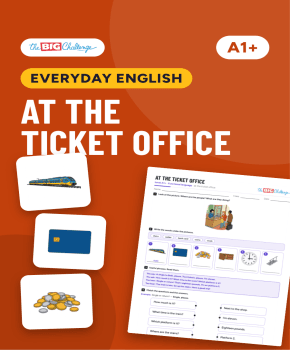
Listen, then answer. Listen to a conversation (at the ticket office), then answer the questions. Can you catch the details?
1:10 2
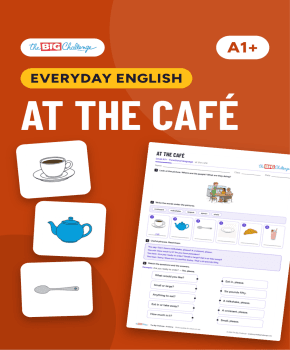
Listen, then answer. Listen to a conversation (at the café), then answer the questions. Can you catch the details?
1:03 3
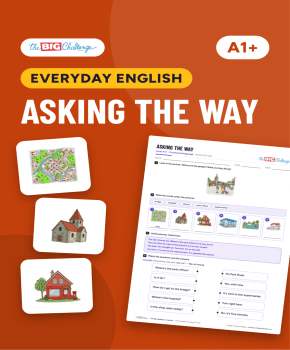
Listen, then answer. Listen to a conversation (asking the way), then answer the questions. Can you catch the details?
1:17 4
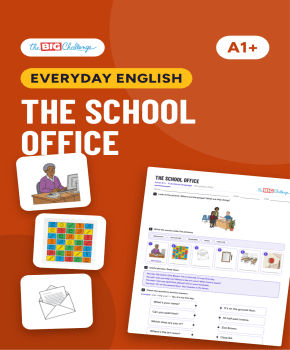
Listen, then answer. Listen to a conversation (the school office), then answer the questions. Can you catch the details?
1:16 5
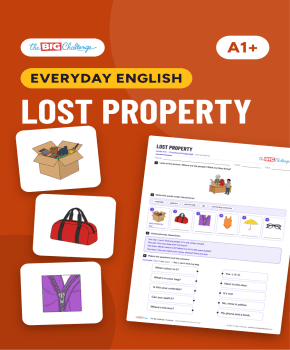
Listen, then answer. Listen to a conversation (lost property), then answer the questions. Can you catch the details?
1:00 6
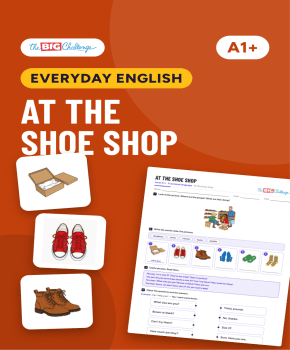
Listen, then answer. Listen to a conversation (at the shoe shop), then answer the questions. Can you catch the details?
1:15 7
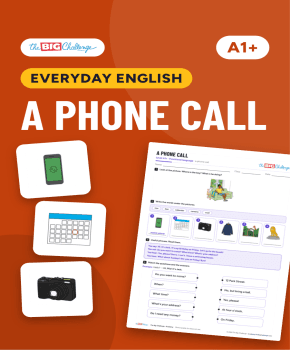
Listen, then answer. Listen to a conversation (a phone call), then answer the questions. Can you catch the details?
0:57 8
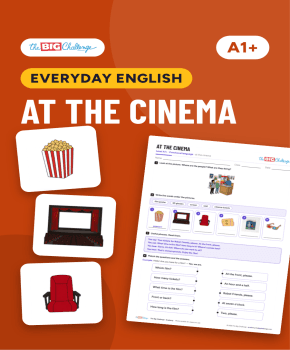
Listen, then answer. Listen to a conversation (at the cinema), then answer the questions. Can you catch the details?
1:01
Die 2 weiteren Episoden anzeigen
 9
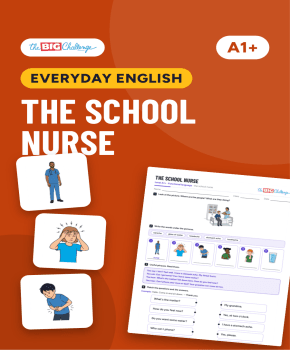
Listen, then answer. Listen to a conversation (the school nurse), then answer the questions. Can you catch the details?
1:28 10
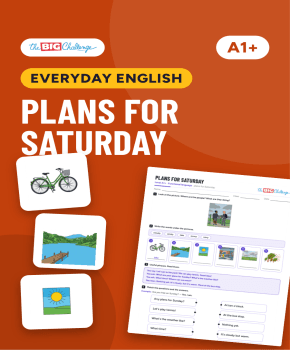
Listen, then answer. Listen to a conversation (plans for saturday), then answer the questions. Can you catch the details?
1:01
 1
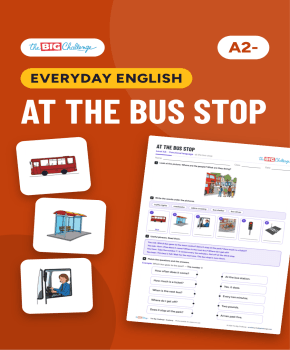
Listen, then answer. Listen to a conversation (at the bus stop), then answer the questions. Can you catch the details?
1:13 2
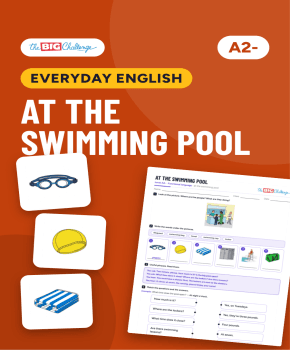
Listen, then answer. Listen to a conversation (at the swimming pool), then answer the questions. Can you catch the details?
1:25 3
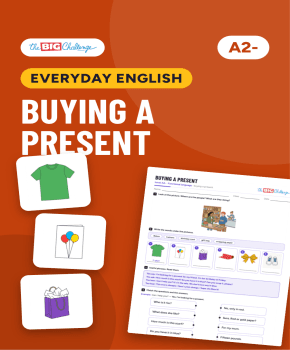
Listen, then answer. Listen to a conversation (buying a present), then answer the questions. Can you catch the details?
1:11 4
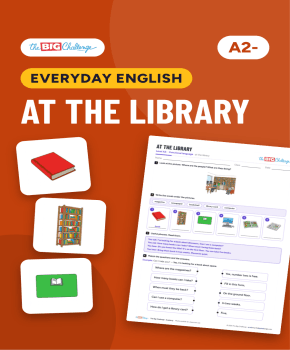
Listen, then answer. Listen to a conversation (at the library), then answer the questions. Can you catch the details?
1:26 5
Listen, then answer. Listen to a conversation (at the market), then answer the questions. Can you catch the details?
1:12 6
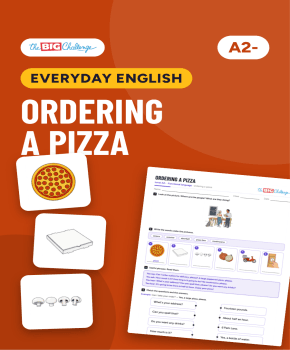
Listen, then answer. Listen to a conversation (ordering a pizza), then answer the questions. Can you catch the details?
1:23 7
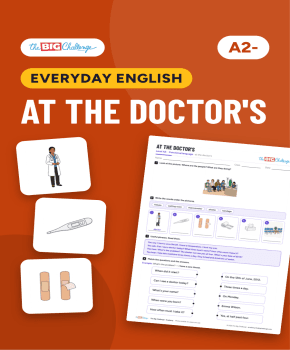
Listen, then answer. Listen to a conversation (at the doctor's), then answer the questions. Can you catch the details?
1:26 8
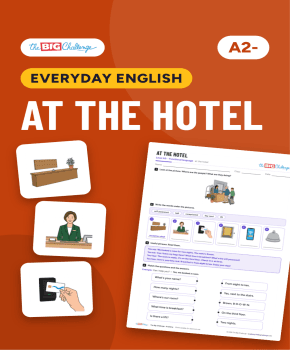
Listen, then answer. Listen to a conversation (at the hotel), then answer the questions. Can you catch the details?
1:21
Die 12 weiteren Episoden anzeigen
 9
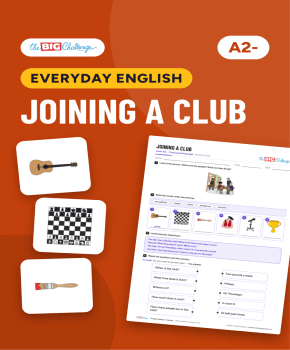
Listen, then answer. Listen to a conversation (joining a club), then answer the questions. Can you catch the details?
1:12 10
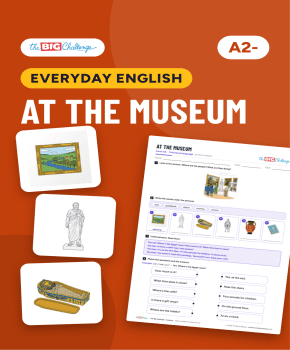
Listen, then answer. Listen to a conversation (at the museum), then answer the questions. Can you catch the details?
1:27 11
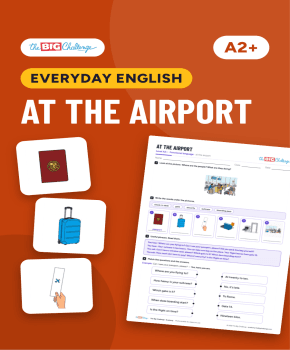
Listen, then answer. Listen to a conversation (at the airport), then answer the questions. Can you catch the details?
1:43 12
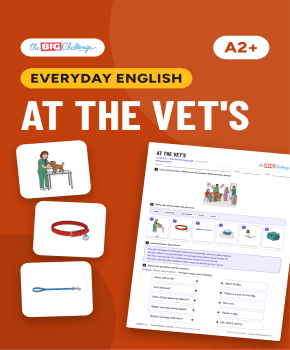
Listen, then answer. Listen to a conversation (at the vet's), then answer the questions. Can you catch the details?
1:33 13
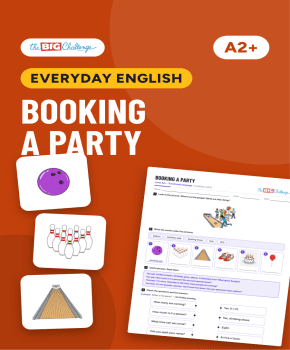
Listen, then answer. Listen to a conversation (booking a party), then answer the questions. Can you catch the details?
1:22 14
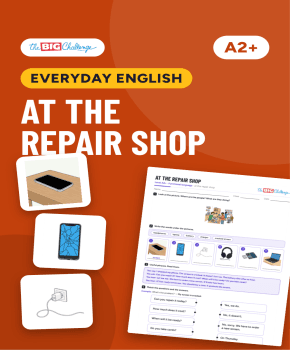
Listen, then answer. Listen to a conversation (at the repair shop), then answer the questions. Can you catch the details?
1:32 15
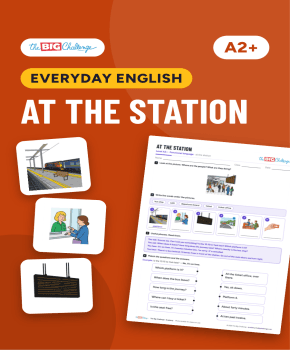
Listen, then answer. Listen to a conversation (at the station), then answer the questions. Can you catch the details?
1:26 16
Listen, then answer. Listen to a conversation (taking something back), then answer the questions. Can you catch the details?
1:27 17
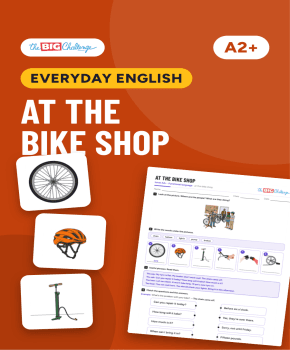
Listen, then answer. Listen to a conversation (at the bike shop), then answer the questions. Can you catch the details?
1:16 18
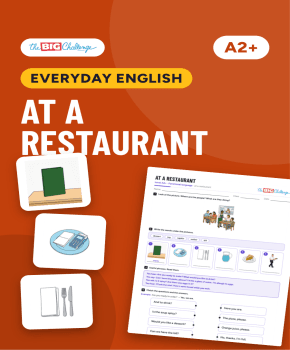
Listen, then answer. Listen to a conversation (at a restaurant), then answer the questions. Can you catch the details?
1:22 19
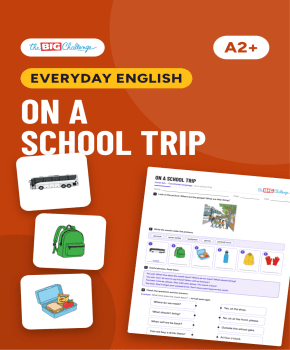
Listen, then answer. Listen to a conversation (a school trip), then answer the questions. Can you catch the details?
1:22 20
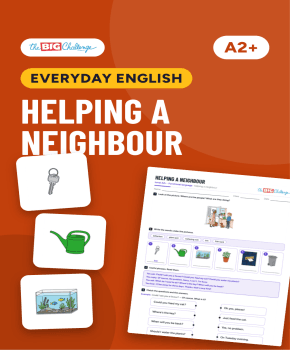
Listen, then answer. Listen to a conversation (a favour for a neighbour), then answer the questions. Can you catch the details?
1:26
Pädagogischer Leitfaden
Ziel & Inhalt
Listen Up! ist eine Hörserie mit Alltagssituationen: Zugfahrkarten kaufen, im Café bestellen, nach dem Weg fragen, ins Schulsekretariat gehen, eine Freundin anrufen, zur Schulkrankenschwester gehen. Jede Folge ist ein etwa einminütiges Gespräch zwischen zwei oder drei Personen, jedes Mal mit neuen Personen an einem neuen Ort, und jede hat ein kleines Problem zum Mitverfolgen und Details zum Heraushören: Uhrzeiten, Preise, Zahlen und Namen. Die Folgen reichen von Niveau A1+ bis A2+, in klarem britischem Englisch. Ein Bild des Ortes, ohne Personen und ohne Schrift, erscheint am Anfang und verblasst dann, damit die Kinder zuhören statt hinzuschauen.
Didaktischer Leitfaden
Die Serie ist für selbstständiges Arbeiten gedacht, an einem Gerät mit Kopfhörern, so oft wie nötig. Die Kinder hören zuerst auf den Gesamtzusammenhang, dann auf die Details, und beantworten dann Fragen in drei Gruppen: Hörverstehen (die Situation, dann die Details), Wörter und nützliche Wendungen. Die Gespräche zeigen das höfliche, praktische Englisch des Alltags (Can I pay by card? Can you spell that, please? Is there another time?). Es gibt weder Skript noch Untertitel am Bildschirm, und die App gibt keine Übersetzungen: Wer ein Wort braucht, nimmt ein Wörterbuch. Die Seite jeder Folge hat eigene Hinweise für die Lehrkraft, das Skript und eine freiwillige Nachbereitung im Unterricht. Für den Unterricht gibt es zu jeder Folge außerdem ein zweiseitiges Situationspaket zum Ausdrucken (nützliche Wörter und Wendungen, ein Dialog zum Ergänzen, die Folge per QR-Code, ein Rollenspiel): Suchen Sie in den Unterrichtsmaterialien nach dem Namen der Folge.
Vorgeschlagener Ablauf
- Die Kinder öffnen die Folge selbstständig, mit Kopfhörern, und hören sie einmal ganz an.
- Sie beantworten die Fragen zum Hörverstehen und hören das Gespräch so oft wie nötig erneut an.
- Zum Schluss bearbeiten sie die Wörter und die nützlichen Wendungen.
- Zurück im Unterricht (freiwillig, etwa 10 Minuten): fragen, was das Problem war und wie es gelöst wurde.
- Zu zweit oder zu dritt spielen die Kinder dieselbe Situation mit eigenen Details nach (eine andere Uhrzeit, ein anderer Preis, ein anderer Name).
Mögliche Anpassungen
- Schwächere Niveaus: Bieten Sie ein abschnittsweises Hören und ergänzende visuelle Hilfen an.
- Fortgeschrittene Niveaus: Regen Sie eine mündliche Zusammenfassung und eine Diskussion auf Englisch zum Thema an.
- Große Gruppen: Organisieren Sie eine Gruppenarbeit mit unterschiedlichen Rollen.
🔒 Eingeschränkter Inhalt
Für dieses Material ist ein Abonnement erforderlich.
Material freischaltenIm Abonnement enthaltenPädagogische Kriterien
Diskussionsthemen zur Serie
Nach dem Hören bringt eine Präsentation zum Projizieren die ganze Klasse ins Gespräch: eine Frage, die Wörter für die Antwort, eine Debatte.