The Steam Engine: Powering the World
Episode of the series Amazing Inventions
- Illustrated slideshow (62 images)
- Glossary
- Comprehension quiz (45 questions)
- 18 cultural notes
 Extract · 30 s
The episode
The invention that powers a new world. A kettle can show how steam pushes with great power; two clever inventors use this power to build the first trains and change how people travel.
Episode worksheets (2)
- Student sheet In your teacher account
- Teacher sheet In your teacher account
Teaching guide
Objective & content
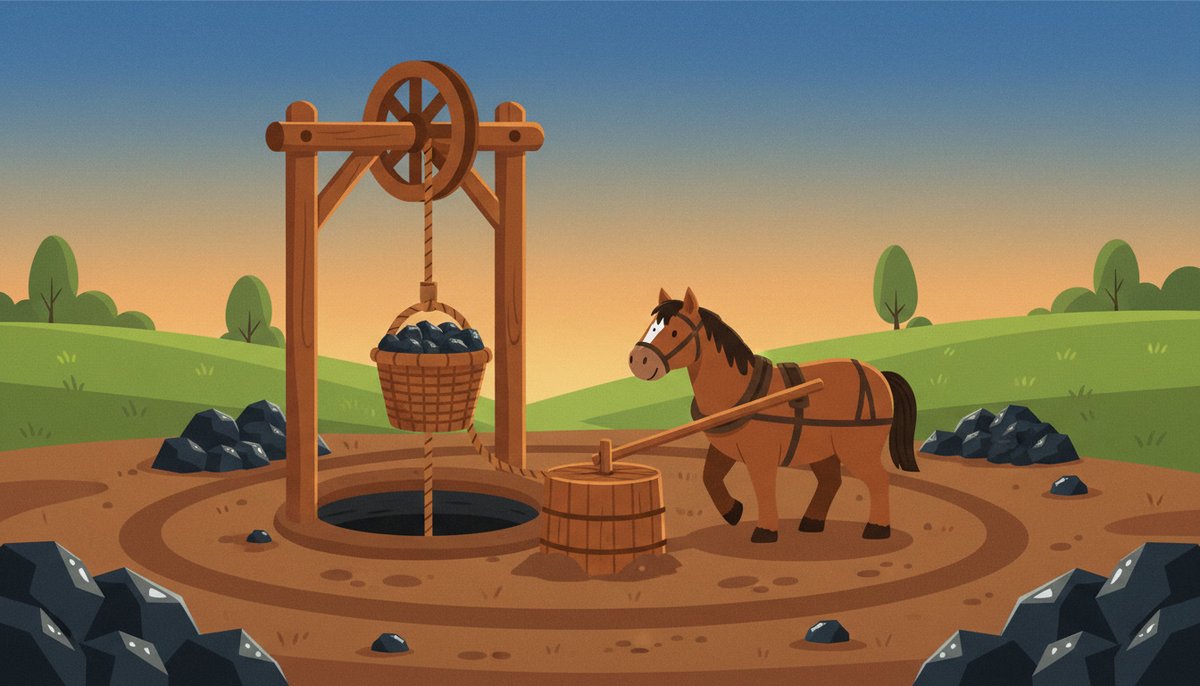
This documentary episode explains how the steam engine was invented and improved. It follows Thomas Savery and Thomas Newcomen, who built engines to pump water out of coal mines, then James Watt and Matthew Boulton, who made the engine use less coal, and Richard Trevithick, who put an engine on wheels in 1804. A kettle serves as a simple model of how steam creates push and power. The language focus is the past simple (regular and irregular verbs) with present simple explanations and vocabulary on inventions and transport. Learners practise listening comprehension and vocabulary building; the script describes the engine as a "special metal box".
Materials & prerequisites
- Student sheet and teacher sheet (HTML and PDF, in `printables/`).
- Prerequisites: the present simple, articles (a, an, the) and basic past simple forms such as made, was and had.
Curriculum alignment
Tagged c3-child-and-wider-environment: cycle 3 (6e). The episode targets CEFR level A1-.
Possible adaptations
- Lower levels: Offer segmented listening and additional visual aids.
- Advanced levels: Encourage an oral summary and a debate in English on the theme.
- Large groups: Organise group work with differentiated roles.
🔒 Restricted content
This resource requires a subscription to be viewed.
Unlock the resourceIncluded in the subscription