The Telephone: Voices Across the Wire
Episode of the series Amazing Inventions
- Illustrated slideshow (57 images)
- Glossary
- Comprehension quiz (45 questions)
- Cultural notes

 Extract · 30 s
The episode
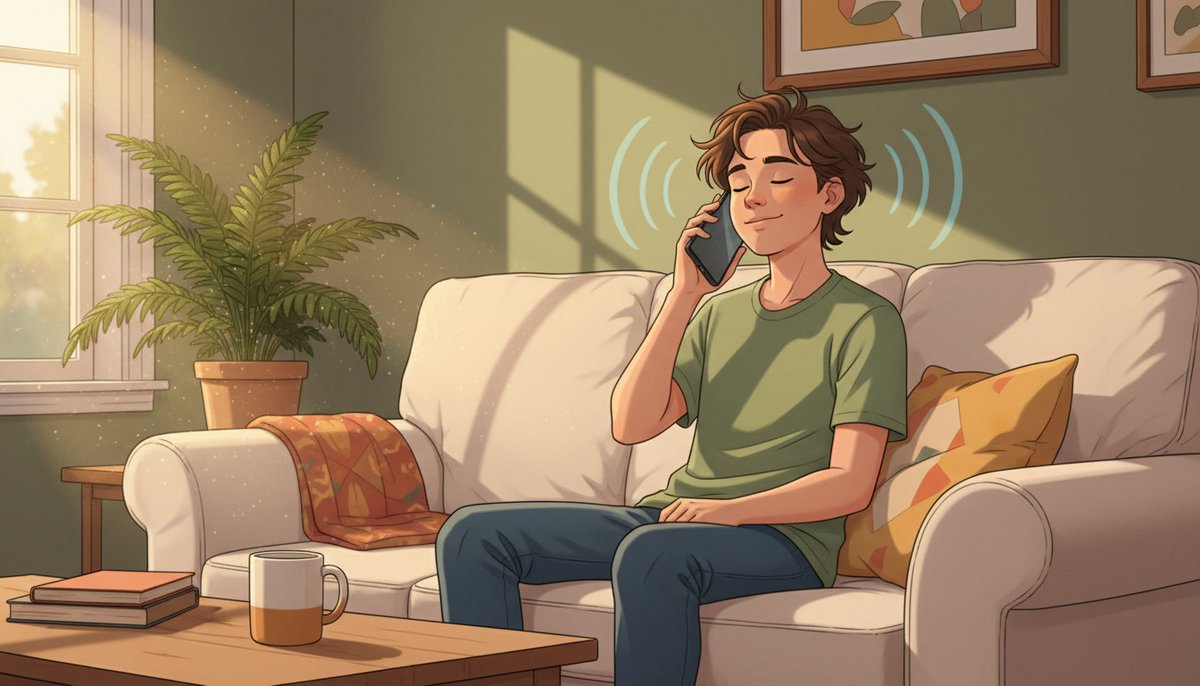
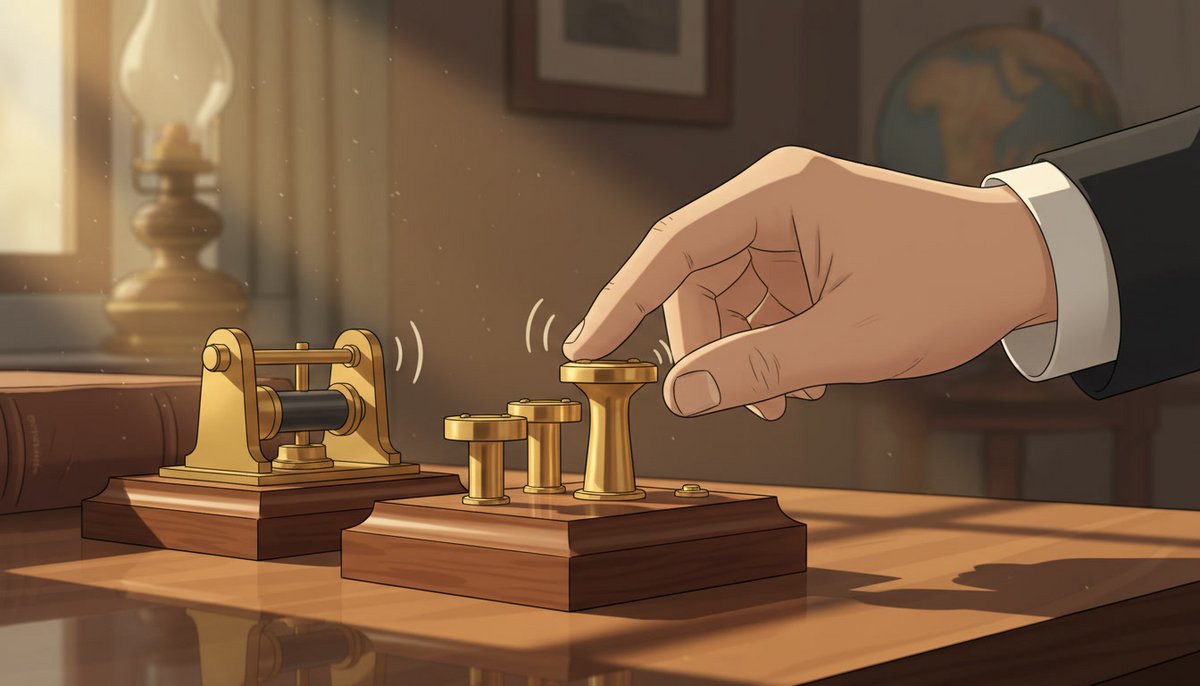
Nine words down a wire. A teacher of deaf children in Boston wanted to send a voice, not beeps, down a wire; in March 1876 his assistant heard the words "Mr Watson, come here" from the next room.
Episode worksheets (2)
- Student sheet In your teacher account
- Teacher sheet In your teacher account
Teaching guide
Objective & content
This documentary episode presents the invention of the telephone. It follows Alexander Graham Bell, a teacher of deaf students in Boston, and his assistant Thomas Watson, up to the first words spoken by telephone on 10 March 1876: "Mr Watson, come here. I want to see you." The script contrasts the telegraph, which only sends short sounds, with a machine that changes a voice into electricity, and explains it with two paper cups and a string. The language focus is the present simple, with there is / there are, can for ability and imperatives, plus vocabulary on inventions and famous people. The skills are listening comprehension and vocabulary building.
Materials & prerequisites
- Student sheet and teacher sheet (HTML and PDF, in `printables/`).
- Prerequisites: the present simple of be and common verbs, and can / cannot.
Curriculum alignment
Tagged c3-child-and-wider-environment: cycle 3 (6e). The episode targets CEFR level A1-.
Possible adaptations
- Lower levels: Offer segmented listening and additional visual aids.
- Advanced levels: Encourage an oral summary and a debate in English on the theme.
- Large groups: Organise group work with differentiated roles.
🔒 Restricted content
This resource requires a subscription to be viewed.
Unlock the resourceIncluded in the subscriptionTags
- Documentary
- Present simple
- There is / there are
- Can: ability
- Imperatives
- Past inventions
- Famous people
- Child and wider environment
- Listening comprehension
- Vocabulary building
- Inventions & discoveries
- Past & Progress