Glacier Bay, Alaska
Episode of the series Natural Wonders of America
- Illustrated slideshow (55 images)
- Glossary
- Comprehension quiz (18 questions)
- Cultural notes
 Extract · 30 s
The episode
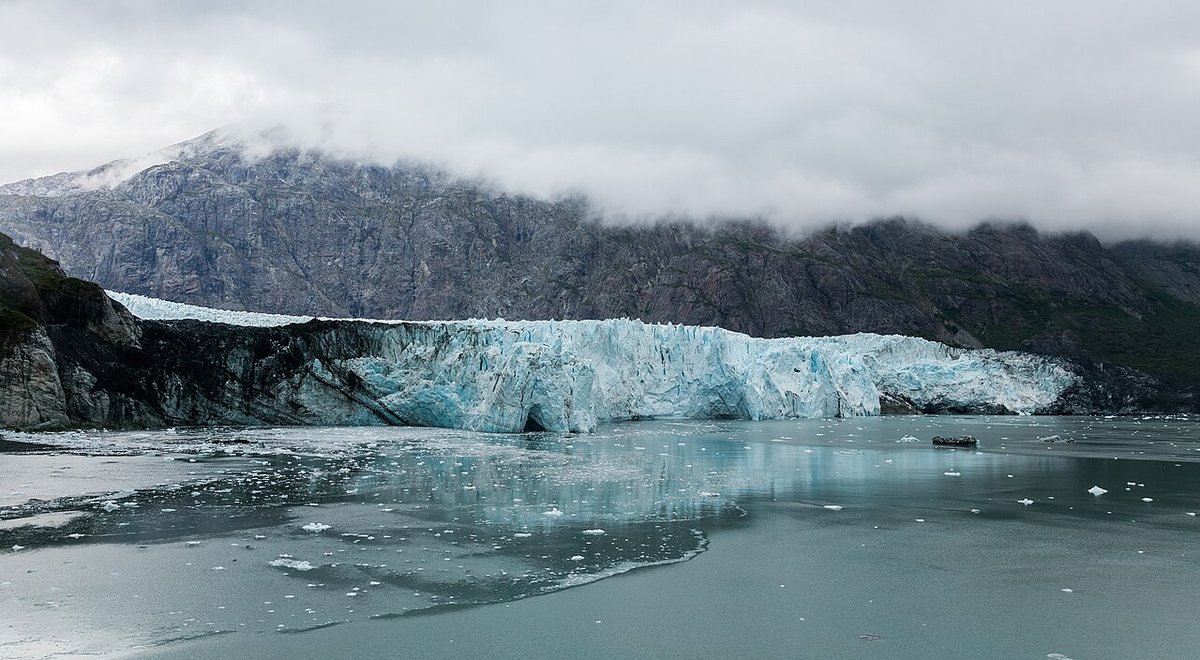
Blue ice and white thunder. In Alaska, blue ice falls into the sea with a sound like thunder. Every summer, humpback whales swim here from Hawaii to eat.
Episode worksheets (2)
- Student sheet In your teacher account
- Teacher sheet In your teacher account
Teaching guide
Objective & content
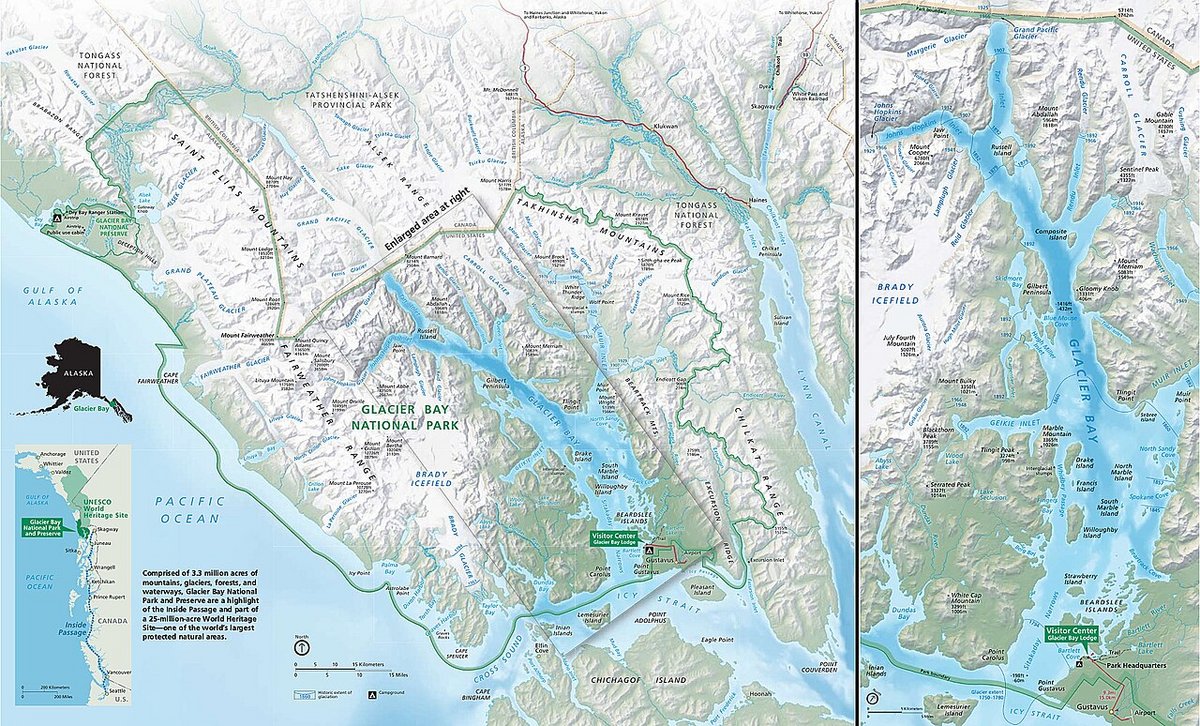
This documentary takes learners by boat into Glacier Bay in Alaska. It explains how snow becomes a glacier, why the ice looks blue, and how the bay appeared as the ice melted after Captain George Vancouver saw only ice in 1794. The script also introduces Margerie Glacier, the explorers La Pérouse and John Muir, the Huna Tlingit people, humpback whales, salmon and brown bears, and the national park of 1980. The main language focus is present simple description with past simple for dated facts, plus vocabulary of ice, water and animals. Learners practise listening comprehension, and a typical sound image is "white thunder".
Materials & prerequisites
- Student sheet and teacher sheet (PDF and HTML versions).
- Prerequisites: present simple, there is and there are, comparatives and superlatives, and regular and common irregular past simple forms.
Curriculum alignment
Tagged to the cycle 3 axis "child and living world" (c3-child-and-living-world), for 6e classes. The episode targets CEFR level A2+.
Possible adaptations
- Lower levels: Offer segmented listening and additional visual aids.
- Advanced levels: Encourage an oral summary and a debate in English on the theme.
- Large groups: Organise group work with differentiated roles.
🔒 Restricted content
This resource requires a subscription to be viewed.
Unlock the resourceIncluded in the subscription