Niagara Falls & the Great Lakes
Episode of the series Natural Wonders of America
- Illustrated slideshow
- Glossary
- Comprehension quiz (18 questions)
- Cultural notes
 Extract · 30 s
The episode
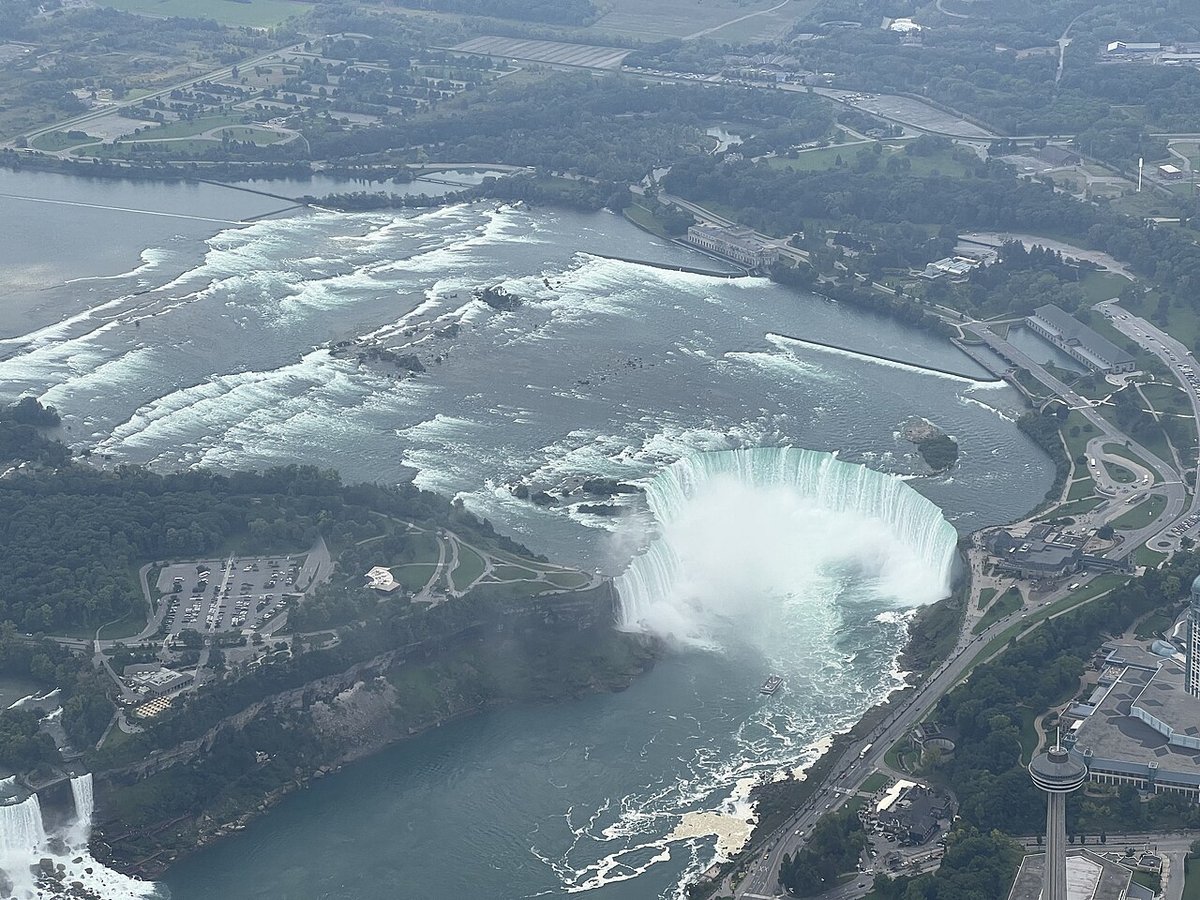
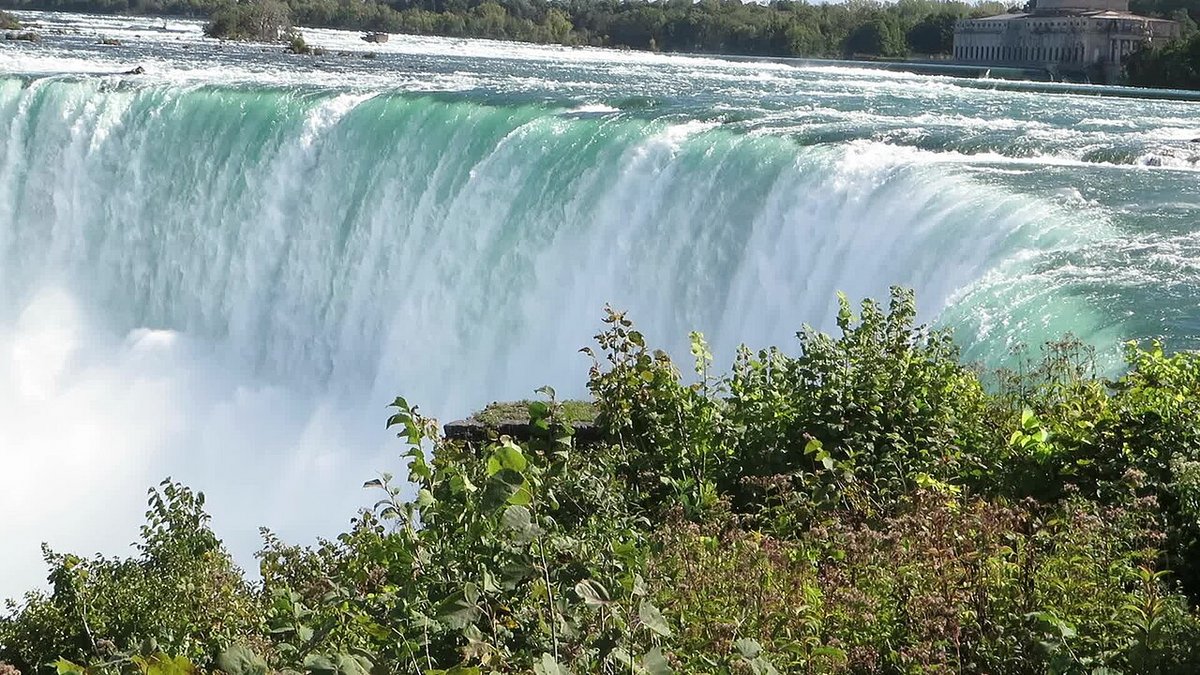
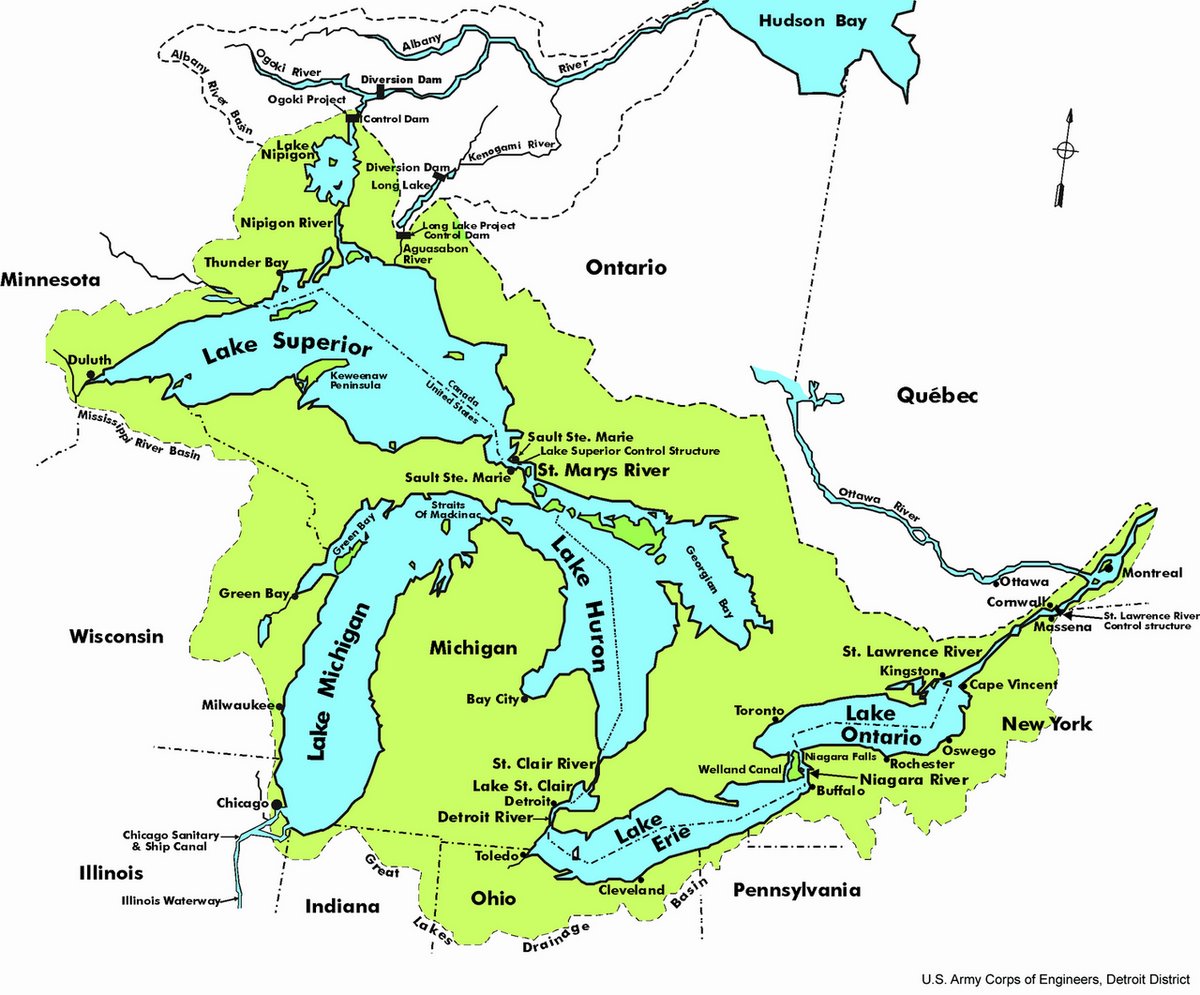
One roaring waterfall between two of the Great Lakes. Ice made these five huge lakes about twenty thousand years ago, and Niagara Falls is still moving slowly back up the river.
Episode worksheets (2)
- Student sheet In your teacher account
- Teacher sheet In your teacher account
Teaching guide
Objective & content
This documentary visits Niagara Falls, on the border between the state of New York and Canada, and the Great Lakes (Superior, Michigan, Huron, Erie and Ontario). It compares the Horseshoe Falls and the American Falls, explains how an ice sheet dug the lakes about twenty thousand years ago, and notes that Lake Baikal in Russia holds more water than all five Great Lakes. It also mentions the Haudenosaunee and the Anishinaabe, who live around the lakes. The main grammar is the present simple to describe a place, with comparatives, superlatives and "there is / there are", and a few past simple forms for the history of the lakes. Learners practise listening comprehension, geography words and numbers.
Materials & prerequisites
- A student sheet and a teacher sheet (PDF and HTML versions) in `printables/`.
- Learners should know the present simple, comparatives and superlatives, and "there is / there are".
- Numbers above 100 help for the heights and dates.
Curriculum alignment
Tagged `c3-child-and-living-world`: cycle 3 (6e). The episode targets CEFR A2+.
Possible adaptations
- Lower levels: Offer segmented listening and additional visual aids.
- Advanced levels: Encourage an oral summary and a debate in English on the theme.
- Large groups: Organise group work with differentiated roles.
🔒 Restricted content
This resource requires a subscription to be viewed.
Unlock the resourceIncluded in the subscriptionTags
- Documentary
- Present simple
- Past simple: was / were
- Past simple: regular verbs
- Past simple: irregular verbs
- Can: ability
- Logical connectors
- There is / there are
- Comparatives: short adjectives
- Superlatives
- Environment
- Wild animals
- Historical dates
- US states
- Child and living world
- Listening comprehension
- Vocabulary building
- Cultural awareness
- Animals & nature
- Exploring America
- Our World
- Places & Journeys