The Appalachian Trail
Episode of the series Natural Wonders of America
- Illustrated slideshow (55 images)
- Glossary (15 words)
- Comprehension quiz (18 questions)
- 38 cultural notes
 Extract · 30 s
The episode
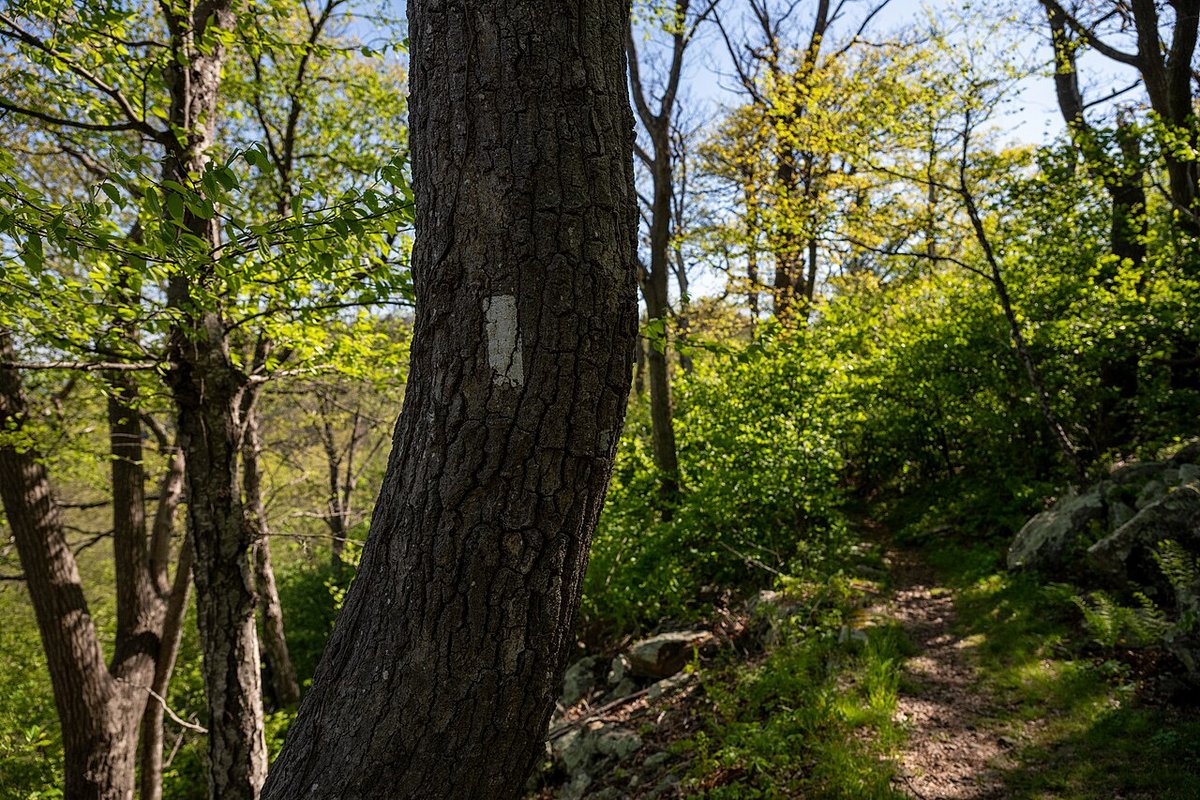
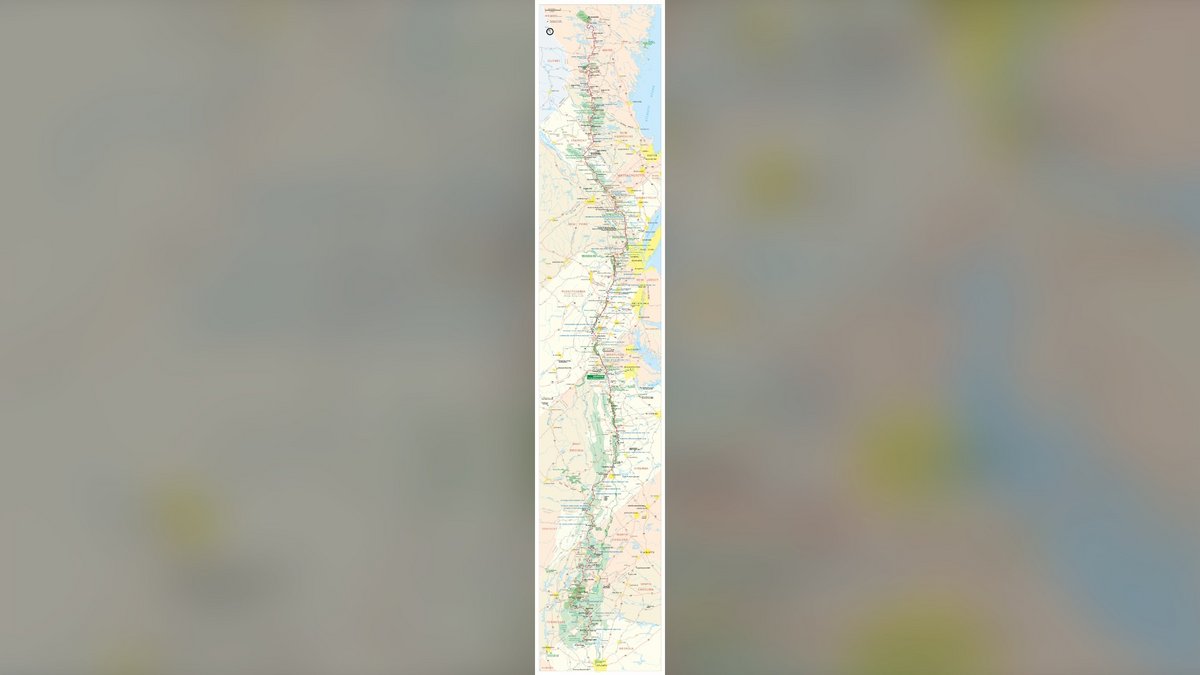
Five months of walking, one white mark at a time. A small white mark on a tree shows the way. The path goes for more than 3,500 kilometres, from Georgia to Maine. In autumn, the forests turn red and gold.
Episode worksheets (2)
- Student sheet In your teacher account
- Teacher sheet In your teacher account
Teaching guide
Objective & content
This documentary presents the Appalachian Trail, which runs through fourteen states from Springer Mountain in Georgia to Mount Katahdin in Maine. It explains why these mountains are old and round, how the white marks called blazes show the way, and what thru-hikers do in five to seven months. It also covers the forests and animals, the autumn colours, and the history of the trail, from Benton MacKaye's idea in 1921 to the law of 1968. The main grammar is the present simple to describe a place, with the past simple for dated facts such as "The work finished in 1937". Learners practise listening comprehension and vocabulary for nature and outdoor activities.
Materials & prerequisites
- A student sheet and a teacher sheet (PDF and HTML versions) in `printables/`.
- Learners should know the present simple, comparatives and "can".
- A few past simple forms are useful for the dated facts.
Curriculum alignment
Tagged `c3-child-and-living-world`: cycle 3 (6e). The episode targets CEFR A2+.
Possible adaptations
- Lower levels: Offer segmented listening and additional visual aids.
- Advanced levels: Encourage an oral summary and a debate in English on the theme.
- Large groups: Organise group work with differentiated roles.
🔒 Restricted content
This resource requires a subscription to be viewed.
Unlock the resourceIncluded in the subscription