Arrested for voting
Episode of the series Look Closer
- Illustrated slideshow (23 images)
- Glossary (19 words)
- Comprehension quiz (10 questions)
- 9 cultural notes
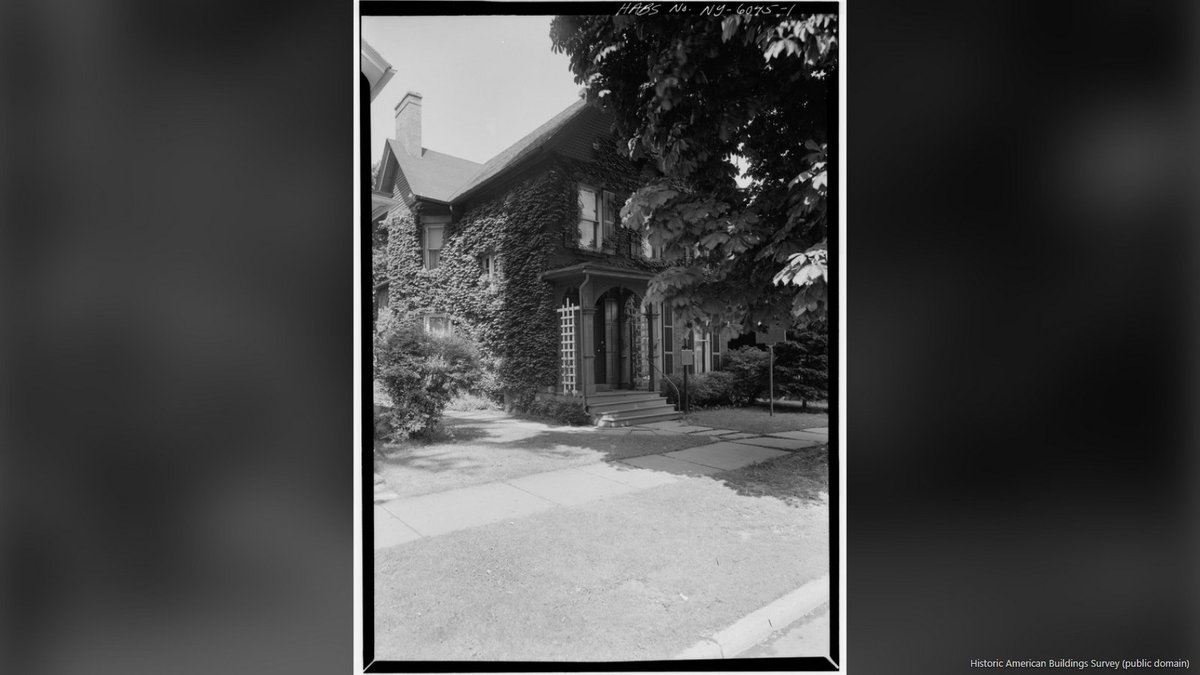
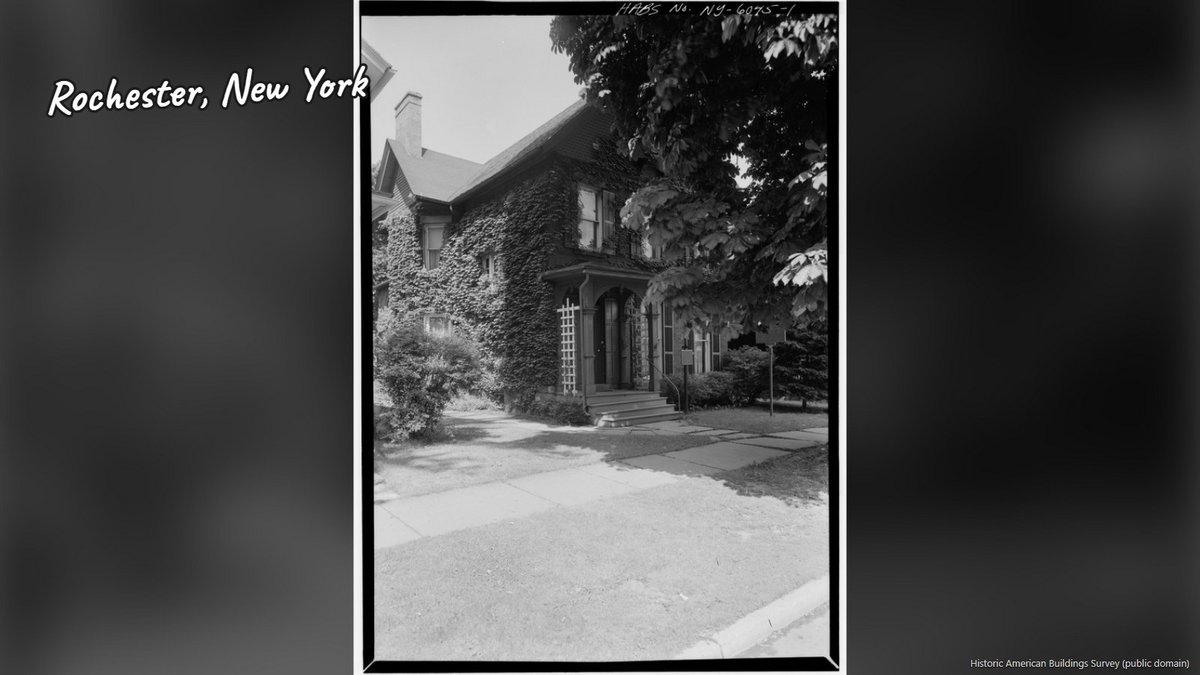
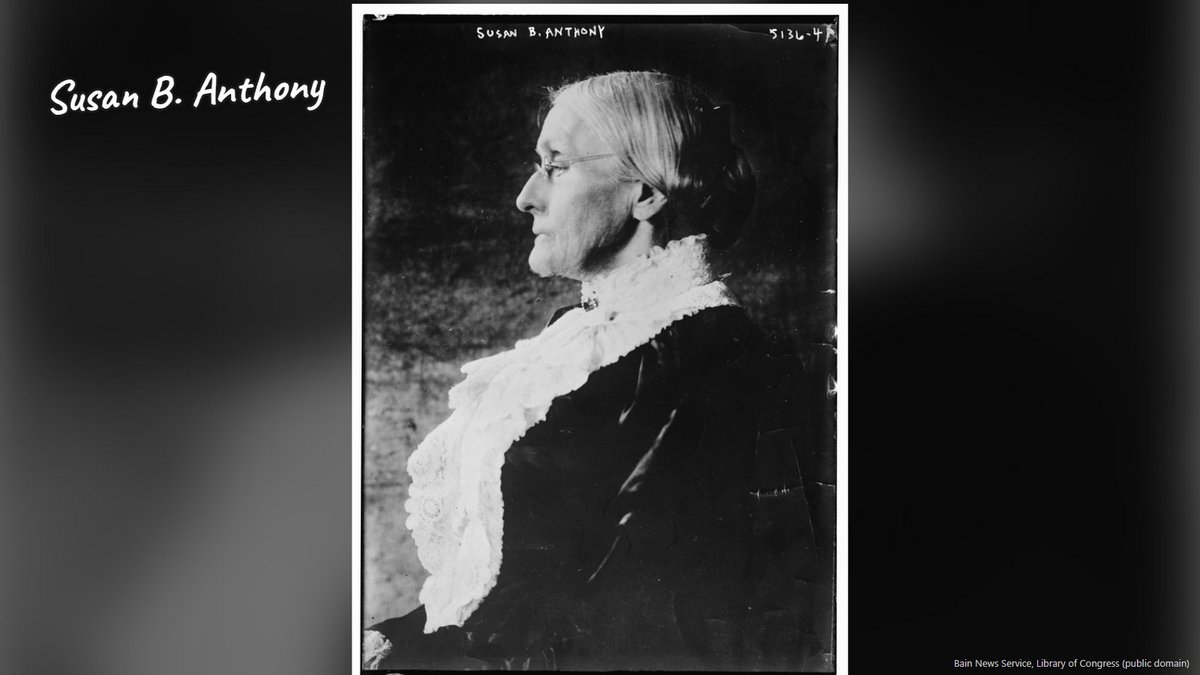 Extract · 30 s
The episode
In 1872, Susan B. Anthony voted in Rochester, New York, when American women were not allowed to vote, and she was arrested, put on trial and fined.
Episode worksheets (2)
- Student sheet In your teacher account
- Teacher sheet In your teacher account
Teaching guide
Objective & content
This Look Closer episode (Civil rights mini-series, episode 20) is a short documentary about Susan B. Anthony, an American teacher who was arrested in November 1872 because she voted, at a time when American women were not allowed to vote. A single narrator tells her story: her work for women's rights with her friend Elizabeth Cady Stanton, her vote in Rochester, New York, with fourteen other women, her trial, where the judge told the jury of twelve men to find her guilty, and the fine of one hundred dollars that she never paid. The narrator ends with what changed: in 1920 a change to the Constitution, which many people call the Susan B. Anthony Amendment, gave American women the right to vote, and in 1979 she became the first real woman on an everyday American coin. The narration is in the past simple (regular and irregular verbs, was and were), with passives such as was arrested and were not allowed to and the negative did not let her speak, and its words are about voting, the law and the courts (trial, judge, witness, jury, fine). Learners listen, then answer the 10 questions in the app: 7 on facts and 3 on vocabulary (polling station, Constitution, amendment). The study topic is people who stood up for equal rights: who they were, what they did, what changed.
Materials & prerequisites
The folder holds the audio, the slideshow and the script. Each pack is a one-page PDF with the text, three photos, the key words and the 10 questions: a pupil pack, and a teacher pack with the answers highlighted. It also has a pupil sheet with the 10 questions and a teacher sheet with the answer key. It has no lesson plan. Learners should know the past simple of common verbs and be able to read dates such as 1872 and 1920. The pack's key words explain the new words (marshal, polling station, trial, witness, jury).
Curriculum alignment
Tagged c4-school-and-society ("École et société") and c4-encountering-others ("Rencontre avec l'autre"), two Cycle 4 axes. The episode is made for 4e and targets CEFR level A2+.
Possible adaptations
- Lower levels: Offer segmented listening and additional visual aids.
- Advanced levels: Encourage an oral summary and a debate in English on the theme.
- Large groups: Organise group work with differentiated roles.
🔒 Restricted content
This resource requires a subscription to be viewed.
Unlock the resourceIncluded in the subscriptionTags
- Past simple: irregular verbs
- Past simple: regular verbs
- Past simple: was / were
- Passive voice basics
- Civil rights
- Famous people
- Historical dates
- Government
- Society & politics
- Gender equality
- Encountering others
- School and society
- Listening comprehension
- Vocabulary building
- Cultural awareness