The girl who wanted to learn
Episode of the series Look Closer
- Illustrated slideshow (24 images)
- Glossary (17 words)
- Comprehension quiz (10 questions)
- 9 cultural notes
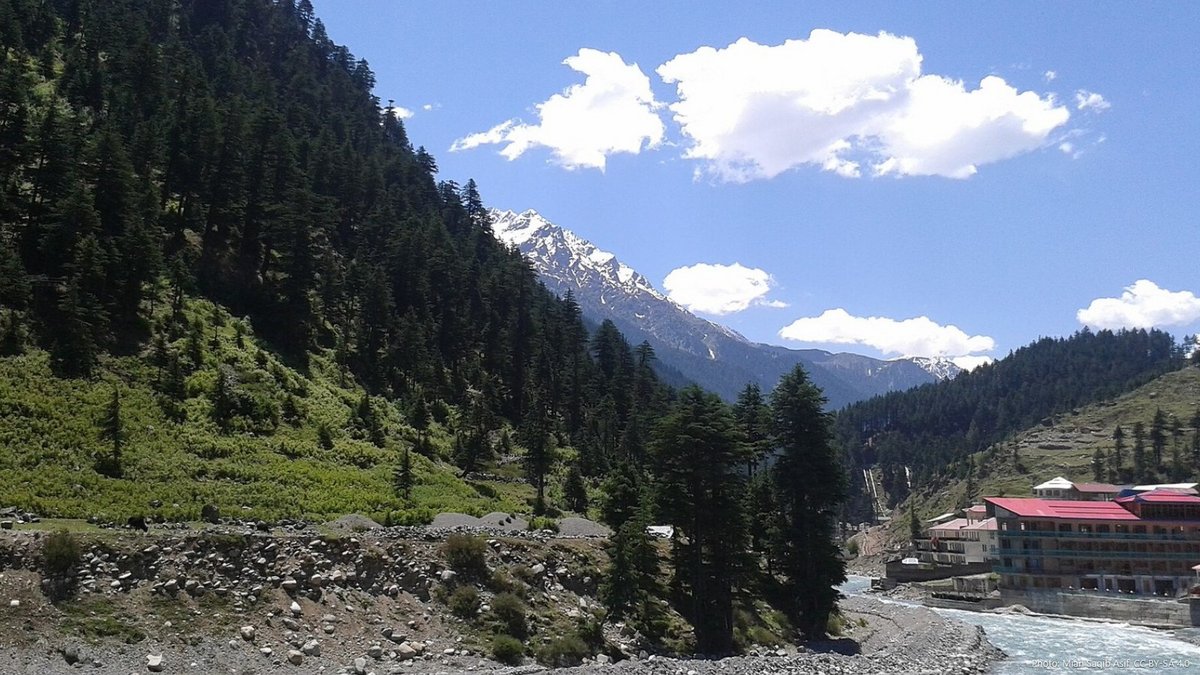
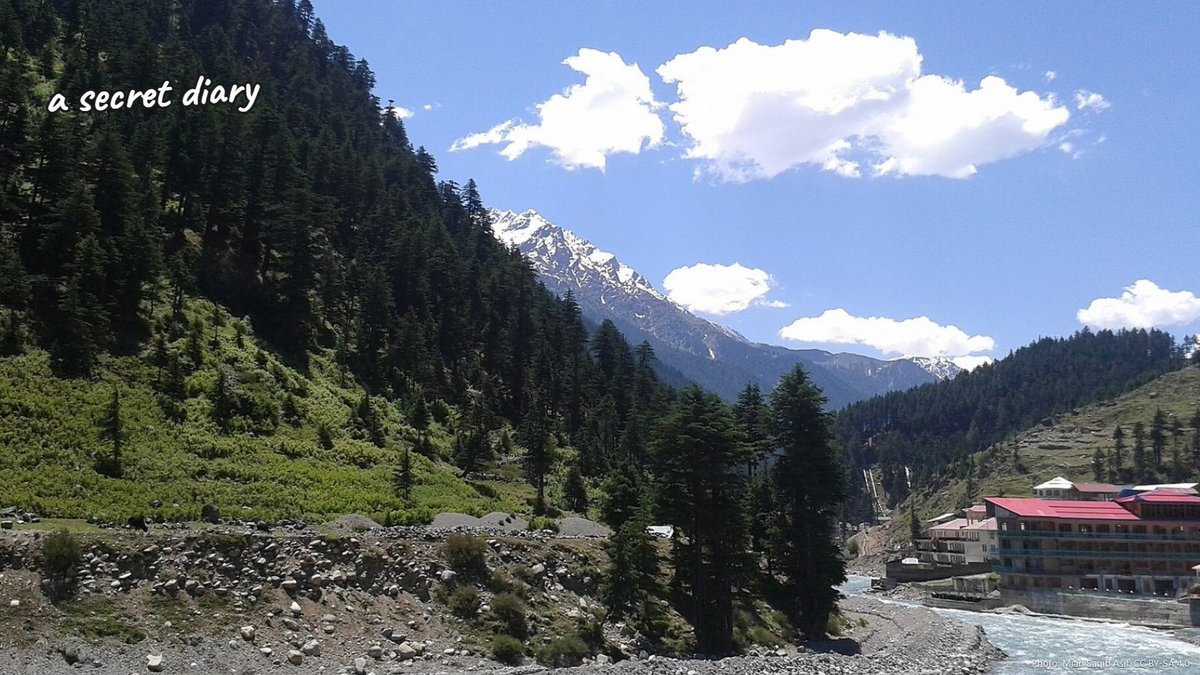
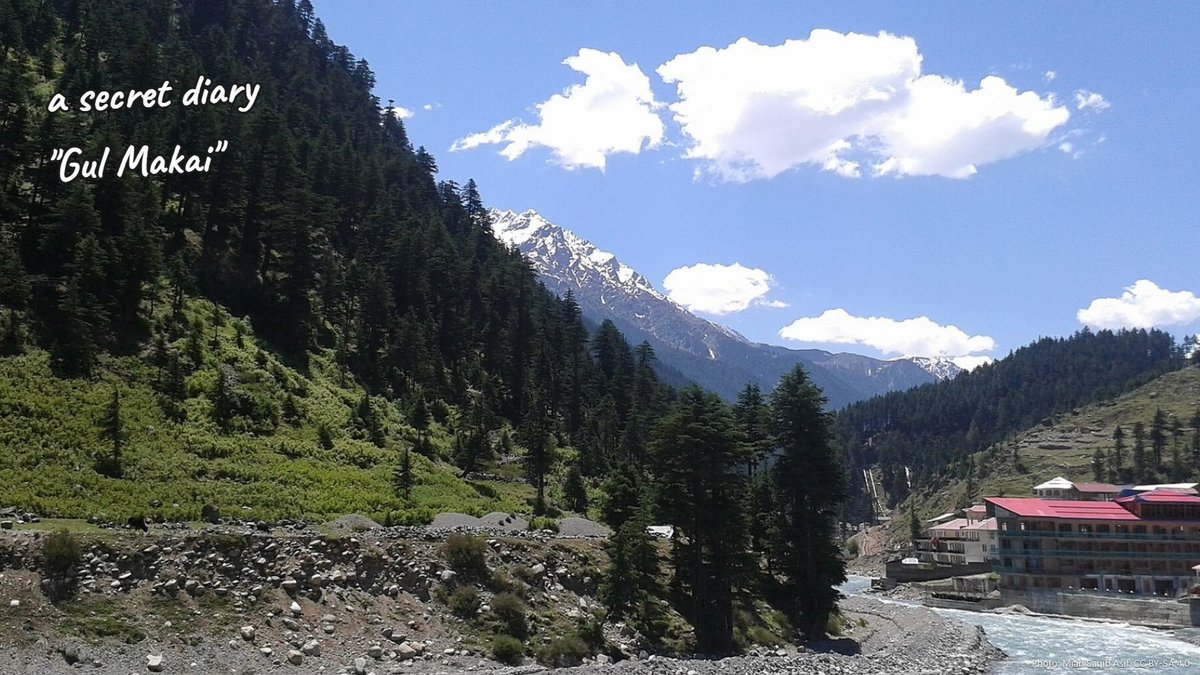 Extract · 30 s
The episode
Malala Yousafzai, a schoolgirl in Pakistan, writes a secret BBC diary, speaks for girls' right to go to school and becomes the youngest Nobel Prize winner ever.
Episode worksheets (2)
- Student sheet In your teacher account
- Teacher sheet In your teacher account
Teaching guide
Objective & content
This Look Closer episode (Civil rights mini-series, episode 23) is a short documentary about Malala Yousafzai, who was born in 1997 in the Swat Valley, in Pakistan, where her father ran a school. A single narrator tells her story in time order: in 2007 a group called the Taliban began to take control of the valley and destroyed schools for girls; in 2009, at eleven, she wrote a secret diary for the BBC under a false name, Gul Makai, and in her diary and in interviews she said that girls have the right to go to school. The narrator states once, plainly, that in October 2012 men from the Taliban stopped her school bus and shot her, and that she lived; the episode does not describe the attack, and no question asks about it. She was flown to a hospital in Birmingham, in England, spoke at the United Nations on her sixteenth birthday ("One child, one teacher, one pen and one book can change the world."), started the Malala Fund with her father, and in 2014 won the Nobel Peace Prize with Kailash Satyarthi, at seventeen the youngest winner of a Nobel Prize ever. The narration tells the story in the past simple (regular and irregular verbs, was and were), with was born, she said that and the youngest ... ever, and its words are about school, rights and famous people. Learners listen, then answer the 10 questions in the app: 7 on facts and 3 on vocabulary (a false name, did not stay quiet, the youngest winner of a Nobel Prize ever). The study topic is people who stood up for equal rights: who they were, what they did, what changed.
Materials & prerequisites
The folder holds the audio, the slideshow and the script. Each pack is a one-page PDF with the text, three photos, the key words and the 10 questions: a pupil pack, and a teacher pack with the answers highlighted. It also has a pupil sheet and a teacher sheet with the answer key. It has no lesson plan. Learners should know the past simple of common verbs and be able to read years such as 1997 and 2012. The pack's key words explain the new words (diary, secret, false, afraid, valley, run, learning, control).
Curriculum alignment
Tagged c4-school-and-society (4e, "École et société", Cycle 4: girls' right to go to school) and c4-encountering-others (4e, "Rencontre avec l'autre", Cycle 4: a girl's life in Pakistan and then in England). The episode targets CEFR level A2+.
Possible adaptations
- Lower levels: Offer segmented listening and additional visual aids.
- Advanced levels: Encourage an oral summary and a debate in English on the theme.
- Large groups: Organise group work with differentiated roles.
🔒 Restricted content
This resource requires a subscription to be viewed.
Unlock the resourceIncluded in the subscriptionTags
- Past simple: irregular verbs
- Past simple: regular verbs
- Past simple: was / were
- Famous people
- Civil rights
- School life
- Historical dates
- Countries
- Teen activism
- Gender equality
- School and society
- Encountering others
- Listening comprehension
- Vocabulary building
- Cultural awareness