A nest for a language
Episode of the series Look Closer
- Illustrated slideshow (28 images)
- Glossary (14 words)
- Comprehension quiz (10 questions)
- 9 cultural notes
 Extract · 30 s
The episode
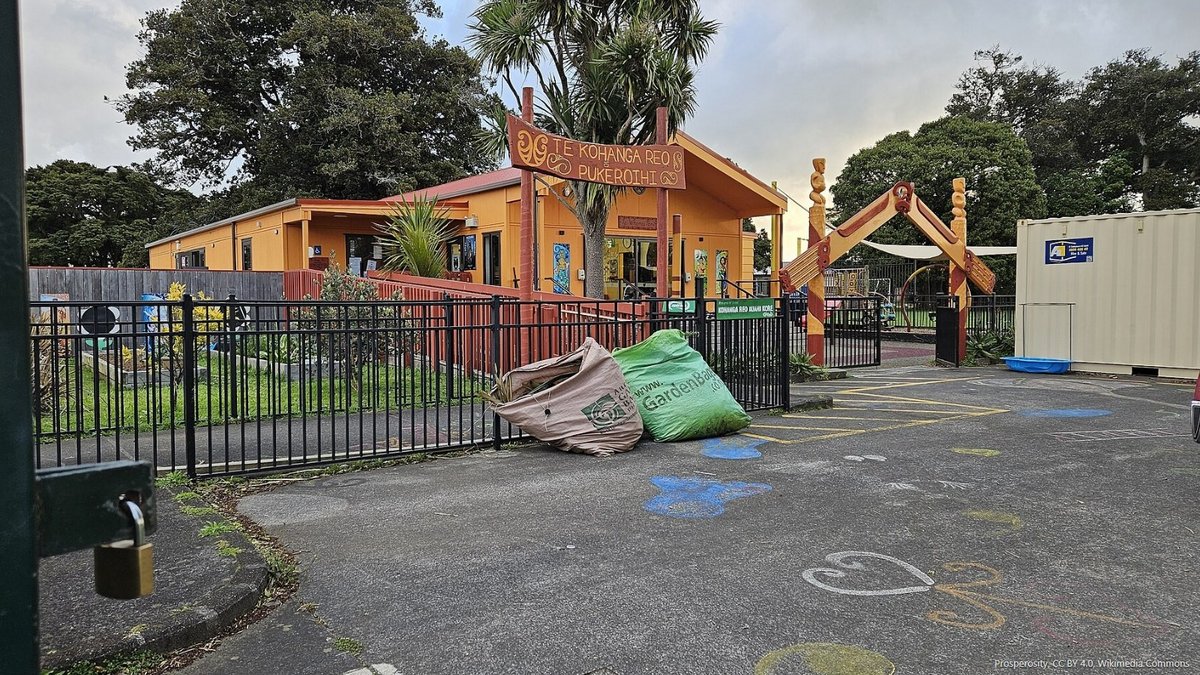
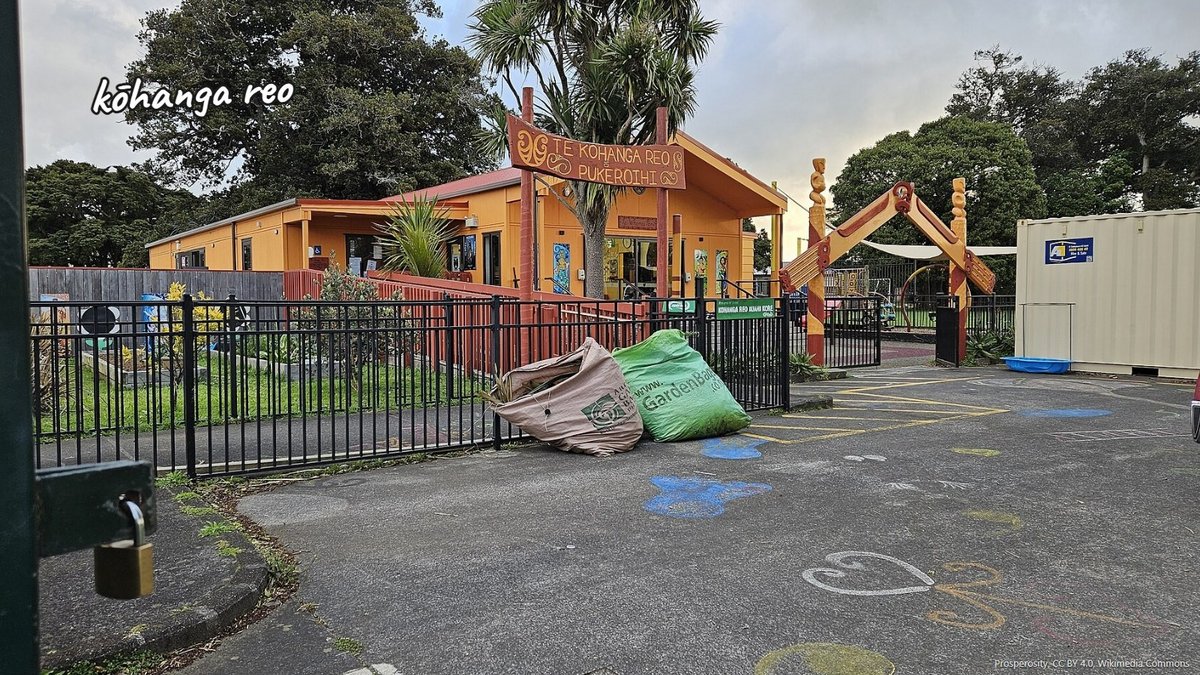
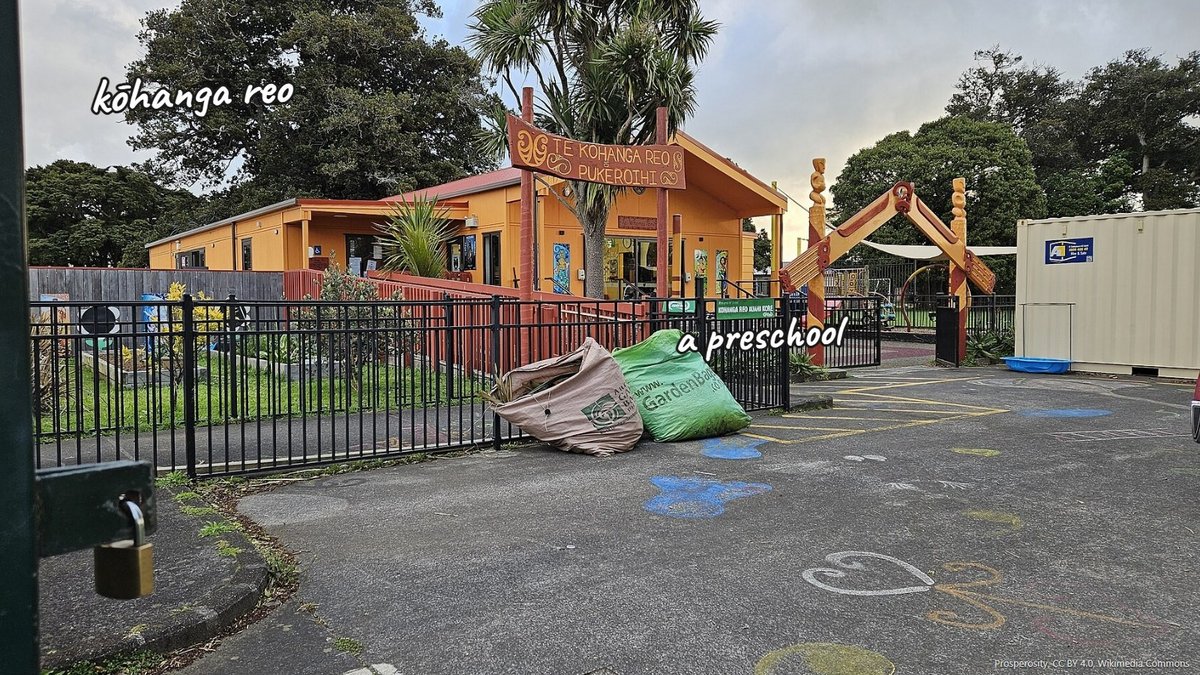
A narrator presents the kōhanga reo, the language nests of New Zealand where older speakers talk only Māori to little children, and why Māori families opened the first one in 1982.
Episode worksheets (2)
- Student sheet In your teacher account
- Teacher sheet In your teacher account
Teaching guide
Objective & content
This Look Closer episode (episode 50 of the mini-series New Zealand, two languages) is a short documentary about the kōhanga reo, a kind of preschool in New Zealand; in Māori, kōhanga reo means "language nest". A single narrator explains that in 1913 almost all Māori children could speak Māori, but many schools wanted English only, and teachers often punished children for speaking Māori. Later, many of these children did not teach Māori to their own children, because they wanted to protect them, and by 1975 fewer than five Māori schoolchildren in a hundred could speak the language. So in 1982 Māori families opened the first language nest, near Wellington, where grandparents and other older speakers talk only Māori to the babies and little children, all day. The children play, sing and eat, like in any preschool, but every word is in Māori; one year later there were about a hundred nests, and today there are hundreds. It is a comprehension episode: the narration uses the past simple and the present simple, with could and fewer than, and no grammar point is taught. Learners listen, then answer the 10 questions in the app: 8 on facts and 2 on vocabulary (what a kōhanga reo is, and what the name means). The study topic is Māori and English in New Zealand: a language at home and at school.
Materials & prerequisites
The folder holds the audio, the slideshow and the script. Each pack is a one-page PDF with the text, three photos, the key words and the 10 questions: a pupil pack, and a teacher pack with the answers highlighted. It also has a pupil sheet and a teacher sheet with the answer key. It has no lesson plan. Play the episode twice, hand out the pupil pack, then use the closing question (Why do you think the grandparents were so important?) for a short class discussion. Learners should know the words school, children, family and play, and be able to read years such as 1982. The pack's key words explain the new words (preschool, nest, punish, protect, speaker).
Curriculum alignment
Tagged languages-places-stories (5e, "Des langues, des lieux, des histoires", Cycle 4). The episode targets CEFR level A2-.
Possible adaptations
- Lower levels: Offer segmented listening and additional visual aids.
- Advanced levels: Encourage an oral summary and a debate in English on the theme.
- Large groups: Organise group work with differentiated roles.
🔒 Restricted content
This resource requires a subscription to be viewed.
Unlock the resourceIncluded in the subscriptionTags
- Past simple: regular verbs
- Past simple: irregular verbs
- Can: ability
- Present simple
- Comparatives: short adjectives
- Family
- School life
- Historical dates
- Cultural differences
- New Zealand
- Languages, places, stories
- Listening comprehension
- Vocabulary building
- Cultural awareness