Animals & Creatures of Australia
Una risorsa didattica pensata per dare slancio alle sue lezioni di inglese.
La serie
Animals & Creatures of Australia è una serie documentaria in cui gli alunni scoprono un animale australiano per episodio, dal canguro e dal koala all'ornitorinco e al ragno dalla tela a imbuto. Ogni animale viene raccontato su tre livelli QCER, A1, A2 e B1, con un umorismo britannico secco che trasforma i fatti scientifici su habitat, comportamento e alimentazione in paragoni facili da ricordare. La serie sviluppa il lessico degli animali selvatici e della natura allenando allo stesso tempo la comprensione orale e la sensibilità culturale, per un pubblico di 11-15 anni.
Gli episodi (10)
 1
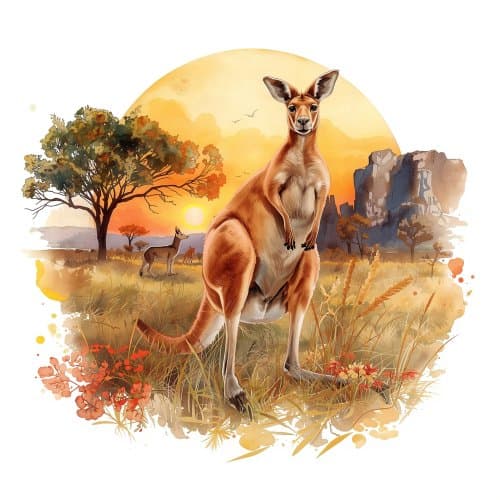
Get ready to meet Australia's champion hopper! Discover why these incredible marsupials hop everywhere, how they stick together in groups called "mobs," and why they're such an icon of the Land Down Under.
3:44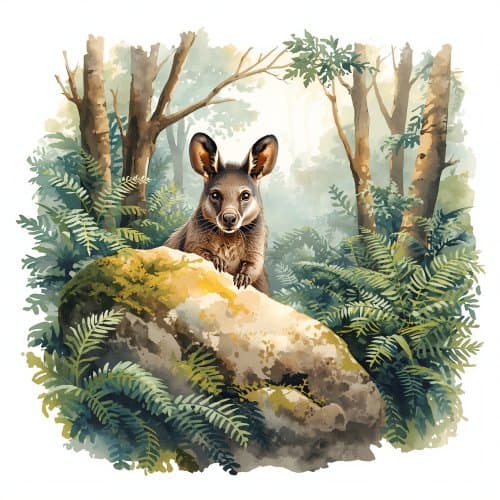 2
Hop on over to the wallaby's world! Learn all about these smaller, super-agile cousins of the kangaroo and find out how they manage to live in so many different kinds of places.
3:25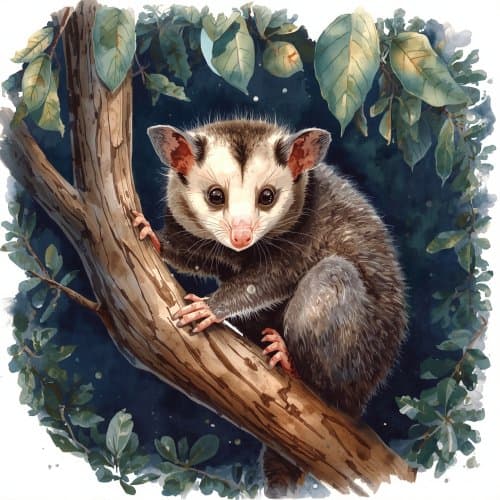 3
What goes bump in the night? It's the possum! Learn about these amazing nocturnal climbers who love to hang out in trees and sometimes even sneak into the city for a snack.
4:02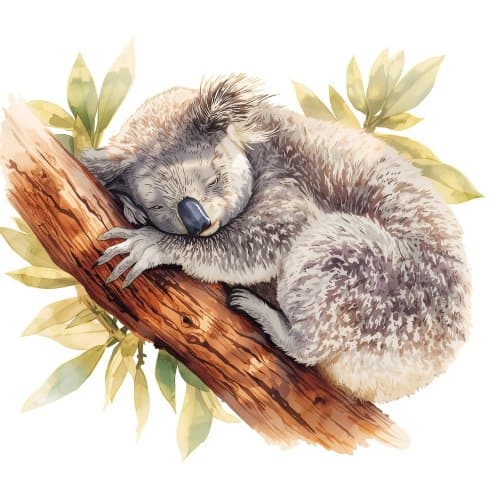 4
Time for a nap! Explore the sleepy life of the koala, a fluffy tree-dweller with a big appetite for eucalyptus leaves, and see why it's one of Australia's most beloved animals.
4:18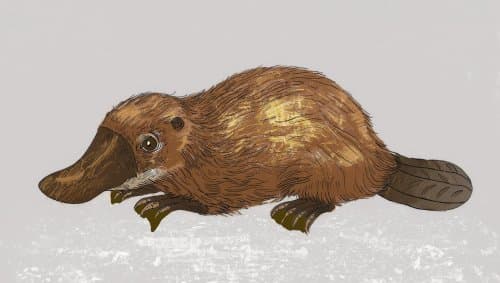 5
Dive into the strange and wonderful world of the platypus! Discover how this funny-looking animal with a duck bill, beaver tail, and otter feet lives, hunts, and surprises scientists with its amazing abilities.
5:14 6
The animal with square poo. The wombat makes its house under the land. It sleeps sixteen hours a day, and it can run very fast on its short legs.
5:07 7
The bird with a crest on its head. Cockatoos are big, noisy parrots from Australia: they have a crest on their head and a very strong beak, they live for a long time, and some can dance.
4:02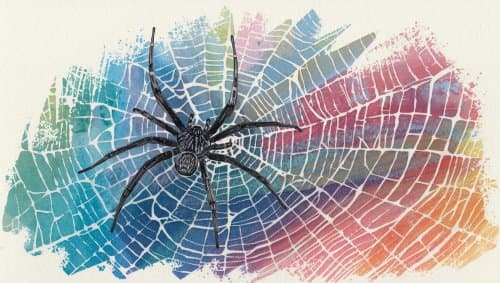 8
Creep into the hidden home of the funnel-web spider! Learn how this fast, clever spider builds its special tunnel-shaped web and why it is known as one of Australia’s most famous arachnids.
4:00
Vedere gli altri 2 episodi
 9
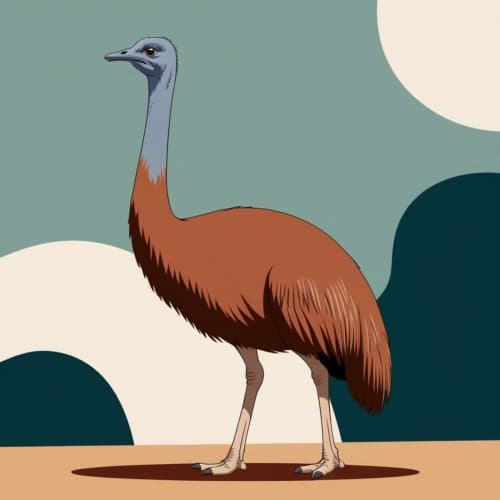
The bird that cannot fly. The emu is the biggest bird in Australia; it cannot fly, but it runs very fast, and the father looks after the eggs.
4:31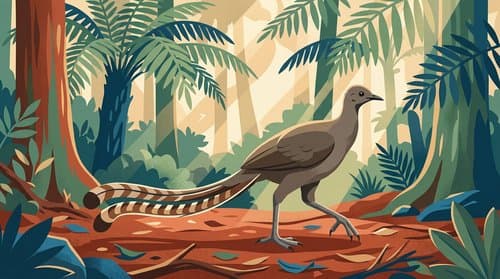 10
The bird that copies every sound. The male lyrebird opens a tail shaped like an old musical instrument, and he can sing the song of other birds, or the sound of a camera or a car.
3:46
- 1
Get ready to meet Australia's champion hopper! Discover why these incredible marsupials hop everywhere, how they stick together in groups called "mobs," and why they're such an icon of the Land Down Under.
4:24 - 2
Hop on over to the wallaby's world! Learn all about these smaller, super-agile cousins of the kangaroo and find out how they manage to live in so many different kinds of places.
4:56 - 3
What goes bump in the night? It's the possum! Learn about these amazing nocturnal climbers who love to hang out in trees and sometimes even sneak into the city for a snack.
5:03 - 4
Time for a nap! Explore the sleepy life of the koala, a fluffy tree-dweller with a big appetite for eucalyptus leaves, and see why it's one of Australia's most beloved animals.
4:46 - 5
Dive into the strange and wonderful world of the platypus! Discover how this funny-looking animal with a duck bill, beaver tail, and otter feet lives, hunts, and surprises scientists with its amazing abilities.
4:48 - 6
Australia's great digger. The wombat digs burrows sixty metres long, can run forty kilometres an hour, and leaves cube-shaped poo on rocks to mark its territory.
4:21 - 7
Australia's noisy, clever parrot. Cockatoos are parrots with a crest of special feathers; they use their strong bill like a third foot, live for about 50 years, copy human words and even dance to music.
4:39 - 8
Creep into the hidden home of the funnel-web spider! Learn how this fast, clever spider builds its special tunnel-shaped web and why it is known as one of Australia’s most famous arachnids.
6:14
Vedere gli altri 2 episodi
- 9
Australia's fast bird that cannot fly. The emu cannot fly, but it can run fifty kilometres an hour; meet the father who looks after the chicks, and hear the strange story of the Great Emu War.
5:19 - 10
Australia's bird with a tail like a lyre. The lyrebird has no song of its own: it listens to the forest and repeats it perfectly, from other birds to a dog, a camera or a car alarm.
5:16
- 1
Get ready to meet Australia's champion hopper! Discover why these incredible marsupials hop everywhere, how they stick together in groups called "mobs," and why they're such an icon of the Land Down Under.
4:59 - 2
Hop on over to the wallaby's world! Learn all about these smaller, super-agile cousins of the kangaroo and find out how they manage to live in so many different kinds of places.
4:41 - 3
What goes bump in the night? It's the possum! Learn about these amazing nocturnal climbers who love to hang out in trees and sometimes even sneak into the city for a snack.
4:34 - 4
Time for a nap! Explore the sleepy life of the koala, a fluffy tree-dweller with a big appetite for eucalyptus leaves, and see why it's one of Australia's most beloved animals.
5:52 - 5
Dive into the strange and wonderful world of the platypus! Discover how this funny-looking animal with a duck bill, beaver tail, and otter feet lives, hunts, and surprises scientists with its amazing abilities.
4:36 - 6
The underground builder of Australia. A relative of the koala, the wombat builds tunnel systems up to sixty metres long, can run at forty kilometres an hour, and carries its young in a pocket that faces backwards.
5:01 - 7
The parrot that dances for fun. Cockatoos raise a crest of tall feathers, use their bill as a third foot and mostly prefer their left foot, and the Palm cockatoo even drums on dead branches with a stick.
5:05 - 8
Creep into the hidden home of the funnel-web spider! Learn how this fast, clever spider builds its special tunnel-shaped web and why it is known as one of Australia’s most famous arachnids.
4:17
Vedere gli altri 2 episodi
- 9
The bird that won a war. Australia's largest bird cannot fly, but it can sprint at 50 kilometres per hour, and in 1932 it even defeated soldiers in the Great Emu War.
4:04 - 10
One of the best mimics in the world. Australia's Superb lyrebird copies almost anything it hears, from other birds to a chainsaw, then raises sixteen tail feathers over its head and dances on a mound of earth.
4:17
Guida didattica
Obiettivo e contenuti
Animals & Creatures of Australia è una serie documentaria che presenta un animale australiano per episodio: canguro, wallaby, opossum, koala, ornitorinco, ragno dalla tela a imbuto, emù e uccello lira. Ogni animale viene scritto separatamente su tre livelli QCER, A1, A2 e B1, in modo che lo stesso argomento possa servire a una classe di livelli misti. Un narratore senza nome, che ammette di non essere un esperto, descrive l'aspetto, l'habitat, il comportamento e l'alimentazione dell'animale con un umorismo britannico molto secco: un predatore pericoloso è semplicemente "non il tipo che inviteresti a prendere il tè". Ogni episodio si conclude con un quiz di comprensione nell'app.
Guida didattica
La serie sviluppa il lessico degli animali selvatici e della natura (descrizione fisica, ambiente, parti del corpo) attraverso il paragone anziché la definizione: a un termine scientifico segue sempre un'immagine quotidiana che l'alunno può visualizzare (la bioluminescenza come "un bastoncino luminoso vivente"). Il tono leggero rende accessibile fin dal livello A1 un argomento ricco di dati. Poiché ogni animale viene scritto separatamente per ogni livello, e non semplificato riga per riga a partire da un unico copione, una classe può riprendere un argomento già visto un anno dopo a un livello superiore senza ripetere lo stesso testo. Il quiz alla fine di ogni episodio verifica i fatti chiave citati dal narratore: classificazione, habitat, alimentazione e un aneddoto memorabile.
Svolgimento suggerito
- Scegliete l'animale e il livello adatti alla vostra classe, poi fate ascoltare l'episodio una prima volta per intero.
- Fermatevi dopo la descrizione fisica e chiedete agli alunni di descrivere l'animale con parole proprie.
- Riproponete il paragone chiave dell'episodio (ad esempio "un bastoncino luminoso vivente") e verificate che gli alunni sappiano spiegarne il significato.
- Fate svolgere il quiz di comprensione dell'app, in classe o individualmente.
- Confrontate due animali della serie (il canguro e il koala, per esempio) per riattivare il lessico della descrizione fisica.
- Per una classe di livello più avanzato, riprendete lo stesso animale in A2 o B1 più avanti nell'anno per approfondire l'argomento.
Adattamenti possibili
- Livelli più fragili: proponga un ascolto a tratti e supporti visivi complementari.
- Livelli avanzati: incoraggi un riassunto orale e un dibattito in inglese sul tema.
- Classi numerose: organizzi un lavoro a isole con ruoli differenziati.
🔒 Contenuto riservato
Questa risorsa richiede un abbonamento per essere consultata.
Sbloccare la risorsaIncluso nell'abbonamento