Animals & Creatures of Australia
Un recurso pedagógico pensado para dinamizar sus clases de inglés.
Sobre la serie
Animals & Creatures of Australia es una serie documental en la que el alumnado conoce un animal australiano por episodio, desde el canguro y el koala hasta el ornitorrinco y la araña de tela de embudo. Cada animal se cuenta en tres niveles del MCER, A1, A2 y B1, con un humor británico seco que convierte los datos científicos sobre el hábitat, el comportamiento y la alimentación en comparaciones fáciles de recordar. La serie desarrolla vocabulario de animales salvajes y naturaleza a la vez que entrena la comprensión auditiva y la sensibilidad cultural, para un público de 11 a 15 años.
Los episodios (10)
 1
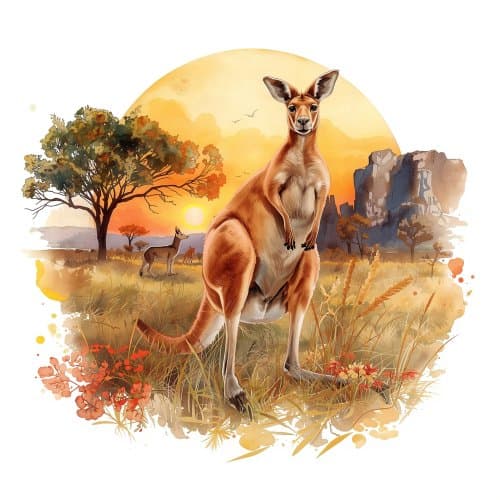
Get ready to meet Australia's champion hopper! Discover why these incredible marsupials hop everywhere, how they stick together in groups called "mobs," and why they're such an icon of the Land Down Under.
3:44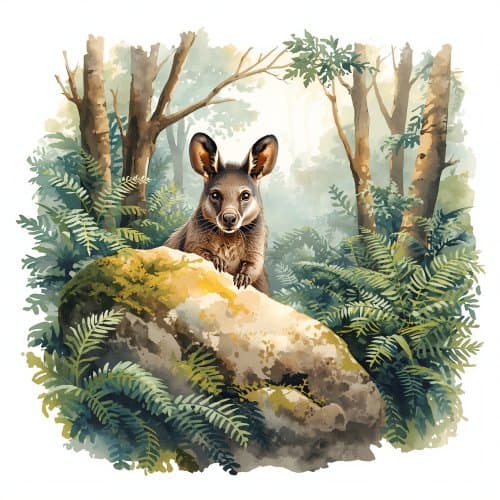 2
Hop on over to the wallaby's world! Learn all about these smaller, super-agile cousins of the kangaroo and find out how they manage to live in so many different kinds of places.
3:25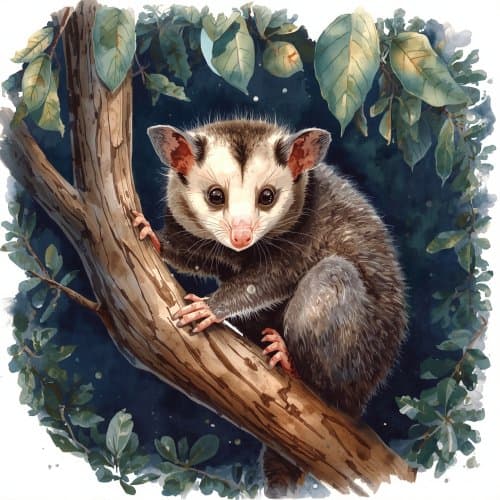 3
What goes bump in the night? It's the possum! Learn about these amazing nocturnal climbers who love to hang out in trees and sometimes even sneak into the city for a snack.
4:03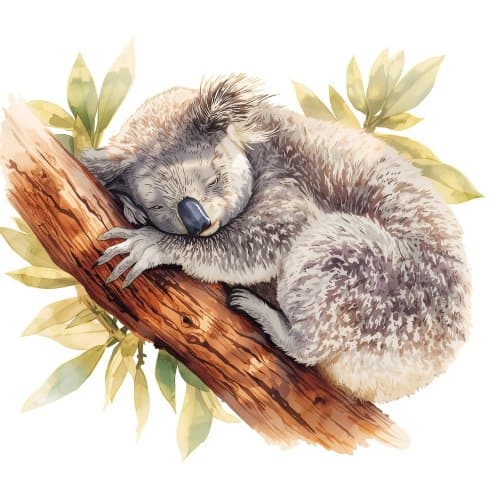 4
Time for a nap! Explore the sleepy life of the koala, a fluffy tree-dweller with a big appetite for eucalyptus leaves, and see why it's one of Australia's most beloved animals.
4:18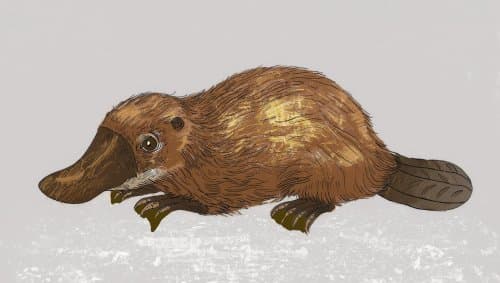 5
Dive into the strange and wonderful world of the platypus! Discover how this funny-looking animal with a duck bill, beaver tail, and otter feet lives, hunts, and surprises scientists with its amazing abilities.
5:14 6
The animal with square poo. The wombat makes its house under the land. It sleeps sixteen hours a day, and it can run very fast on its short legs.
5:08 7
The bird with a crest on its head. Cockatoos are big, noisy parrots from Australia: they have a crest on their head and a very strong beak, they live for a long time, and some can dance.
4:03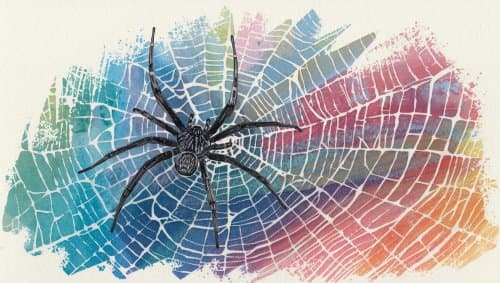 8
Creep into the hidden home of the funnel-web spider! Learn how this fast, clever spider builds its special tunnel-shaped web and why it is known as one of Australia’s most famous arachnids.
4:00
Ver los otros 2 episodios
 9
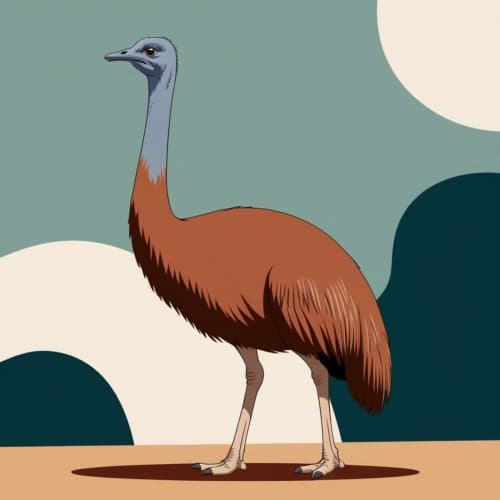
The bird that cannot fly. The emu is the biggest bird in Australia; it cannot fly, but it runs very fast, and the father looks after the eggs.
4:32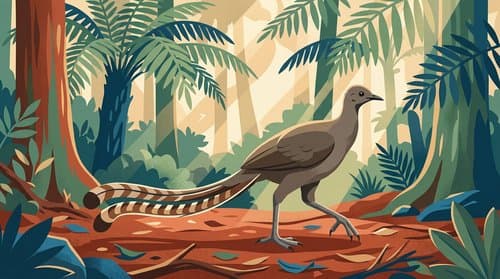 10
The bird that copies every sound. The male lyrebird opens a tail shaped like an old musical instrument, and he can sing the song of other birds, or the sound of a camera or a car.
3:47
- 1
Get ready to meet Australia's champion hopper! Discover why these incredible marsupials hop everywhere, how they stick together in groups called "mobs," and why they're such an icon of the Land Down Under.
4:24 - 2
Hop on over to the wallaby's world! Learn all about these smaller, super-agile cousins of the kangaroo and find out how they manage to live in so many different kinds of places.
4:56 - 3
What goes bump in the night? It's the possum! Learn about these amazing nocturnal climbers who love to hang out in trees and sometimes even sneak into the city for a snack.
5:04 - 4
Time for a nap! Explore the sleepy life of the koala, a fluffy tree-dweller with a big appetite for eucalyptus leaves, and see why it's one of Australia's most beloved animals.
4:46 - 5
Dive into the strange and wonderful world of the platypus! Discover how this funny-looking animal with a duck bill, beaver tail, and otter feet lives, hunts, and surprises scientists with its amazing abilities.
4:48 - 6
Australia's great digger. The wombat digs burrows sixty metres long, can run forty kilometres an hour, and leaves cube-shaped poo on rocks to mark its territory.
4:21 - 7
Australia's noisy, clever parrot. Cockatoos are parrots with a crest of special feathers; they use their strong bill like a third foot, live for about 50 years, copy human words and even dance to music.
4:39 - 8
Creep into the hidden home of the funnel-web spider! Learn how this fast, clever spider builds its special tunnel-shaped web and why it is known as one of Australia’s most famous arachnids.
6:15
Ver los otros 2 episodios
- 9
Australia's fast bird that cannot fly. The emu cannot fly, but it can run fifty kilometres an hour; meet the father who looks after the chicks, and hear the strange story of the Great Emu War.
5:20 - 10
Australia's bird with a tail like a lyre. The lyrebird has no song of its own: it listens to the forest and repeats it perfectly, from other birds to a dog, a camera or a car alarm.
5:17
- 1
Get ready to meet Australia's champion hopper! Discover why these incredible marsupials hop everywhere, how they stick together in groups called "mobs," and why they're such an icon of the Land Down Under.
5:00 - 2
Hop on over to the wallaby's world! Learn all about these smaller, super-agile cousins of the kangaroo and find out how they manage to live in so many different kinds of places.
4:41 - 3
What goes bump in the night? It's the possum! Learn about these amazing nocturnal climbers who love to hang out in trees and sometimes even sneak into the city for a snack.
4:34 - 4
Time for a nap! Explore the sleepy life of the koala, a fluffy tree-dweller with a big appetite for eucalyptus leaves, and see why it's one of Australia's most beloved animals.
5:53 - 5
Dive into the strange and wonderful world of the platypus! Discover how this funny-looking animal with a duck bill, beaver tail, and otter feet lives, hunts, and surprises scientists with its amazing abilities.
4:36 - 6
The underground builder of Australia. A relative of the koala, the wombat builds tunnel systems up to sixty metres long, can run at forty kilometres an hour, and carries its young in a pocket that faces backwards.
5:02 - 7
The parrot that dances for fun. Cockatoos raise a crest of tall feathers, use their bill as a third foot and mostly prefer their left foot, and the Palm cockatoo even drums on dead branches with a stick.
5:05 - 8
Creep into the hidden home of the funnel-web spider! Learn how this fast, clever spider builds its special tunnel-shaped web and why it is known as one of Australia’s most famous arachnids.
4:18
Ver los otros 2 episodios
- 9
The bird that won a war. Australia's largest bird cannot fly, but it can sprint at 50 kilometres per hour, and in 1932 it even defeated soldiers in the Great Emu War.
4:05 - 10
One of the best mimics in the world. Australia's Superb lyrebird copies almost anything it hears, from other birds to a chainsaw, then raises sixteen tail feathers over its head and dances on a mound of earth.
4:17
Guía pedagógica
Objetivo y contenido
Animals & Creatures of Australia es una serie documental que presenta un animal australiano por episodio: canguro, wallaby, zarigüeya, koala, ornitorrinco, araña de tela de embudo, emú y ave lira. Cada animal se escribe por separado en tres niveles del MCER, A1, A2 y B1, de modo que el mismo tema pueda servir a una clase de niveles mixtos. Un narrador anónimo, que reconoce no ser un experto, describe el aspecto, el hábitat, el comportamiento y la alimentación del animal con un humor británico muy seco: un depredador peligroso es simplemente "el tipo de bicho al que no invitarías a tomar el té". Cada episodio termina con un cuestionario de comprensión en la aplicación.
Guía didáctica
La serie desarrolla vocabulario de animales salvajes y naturaleza (descripción física, entorno, partes del cuerpo) mediante la comparación y no la definición: un término científico siempre va seguido de una imagen cotidiana que el alumno puede visualizar (la bioluminiscencia como "una barra luminosa viva"). El tono ligero hace accesible un tema cargado de datos ya desde el nivel A1. Como cada animal se escribe por separado en cada nivel, y no se simplifica línea por línea a partir de un único guion, una clase puede retomar un tema ya conocido un año después en un nivel superior sin repetir el mismo texto. El cuestionario del final de cada episodio comprueba los datos clave que cita el narrador: clasificación, hábitat, alimentación y una anécdota memorable.
Desarrollo sugerido
- Elija el animal y el nivel que se ajusten a su clase y reproduzca el episodio una primera vez completo.
- Haga una pausa después de la descripción física y pida al alumnado que describa el animal con sus propias palabras.
- Vuelva a poner la comparación clave del episodio (por ejemplo, "una barra luminosa viva") y compruebe que el alumnado sabe explicar su significado.
- Haga el cuestionario de comprensión de la aplicación, en grupo o de forma individual.
- Compare dos animales de la serie (el canguro y el koala, por ejemplo) para reactivar el vocabulario de descripción física.
- Para una clase de nivel superior, retome el mismo animal en A2 o B1 más adelante en el curso para ampliar el tema.
Adaptaciones posibles
- Niveles más bajos: proponga una escucha fragmentada y apoyos visuales complementarios.
- Niveles avanzados: anime a hacer un resumen oral y un debate en inglés sobre el tema.
- Grupos grandes: organice un trabajo por equipos con roles diferenciados.
🔒 Contenido restringido
Este recurso requiere una suscripción para poder consultarse.
Desbloquear el recursoIncluido en la suscripción