Animals & Creatures of Australia
Une ressource pédagogique conçue pour dynamiser vos cours d'anglais.
À propos de la série
Animals & Creatures of Australia est une série documentaire où les élèves découvrent un animal australien par épisode, du kangourou et du koala à l'ornithorynque et à l'araignée à toile en entonnoir. Chaque animal est raconté à trois niveaux du CECRL, A1, A2 et B1, avec un humour britannique pince-sans-rire qui transforme les faits scientifiques sur l'habitat, le comportement et l'alimentation en comparaisons mémorables. La série développe le vocabulaire des animaux sauvages et de la nature tout en travaillant la compréhension orale et la sensibilité culturelle, pour un public de 11 à 15 ans.
Les épisodes (10)
 1
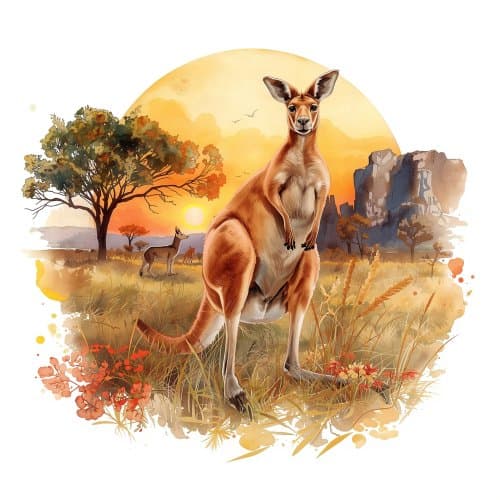
Get ready to meet Australia's champion hopper! Discover why these incredible marsupials hop everywhere, how they stick together in groups called "mobs," and why they're such an icon of the Land Down Under.
3:44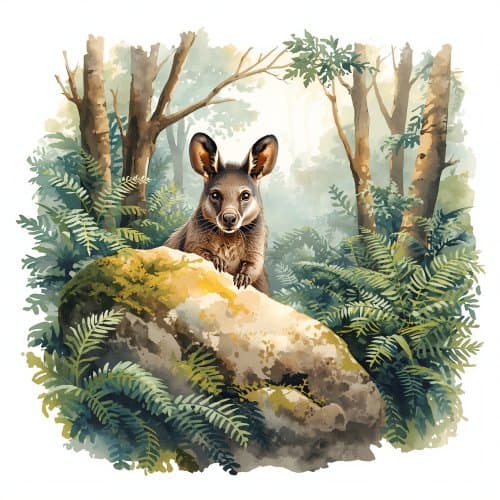 2
Hop on over to the wallaby's world! Learn all about these smaller, super-agile cousins of the kangaroo and find out how they manage to live in so many different kinds of places.
3:25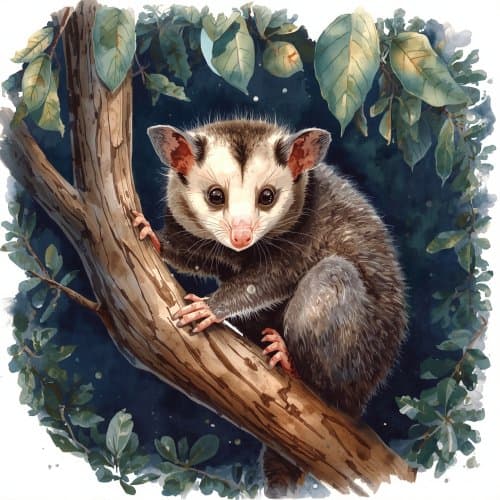 3
What goes bump in the night? It's the possum! Learn about these amazing nocturnal climbers who love to hang out in trees and sometimes even sneak into the city for a snack.
4:03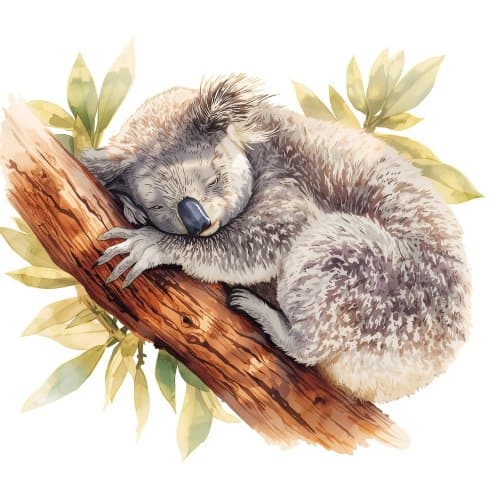 4
Time for a nap! Explore the sleepy life of the koala, a fluffy tree-dweller with a big appetite for eucalyptus leaves, and see why it's one of Australia's most beloved animals.
4:18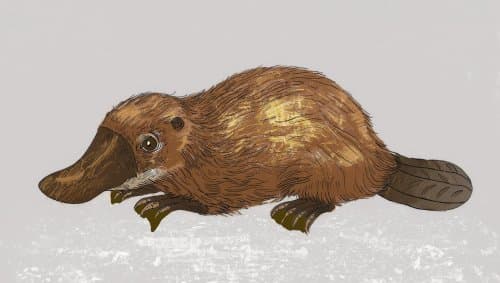 5
Dive into the strange and wonderful world of the platypus! Discover how this funny-looking animal with a duck bill, beaver tail, and otter feet lives, hunts, and surprises scientists with its amazing abilities.
5:14 6
The animal with square poo. The wombat makes its house under the land. It sleeps sixteen hours a day, and it can run very fast on its short legs.
5:08 7
The bird with a crest on its head. Cockatoos are big, noisy parrots from Australia: they have a crest on their head and a very strong beak, they live for a long time, and some can dance.
4:03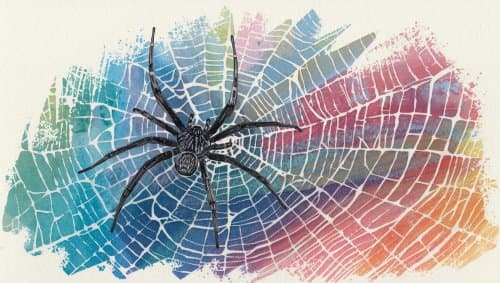 8
Creep into the hidden home of the funnel-web spider! Learn how this fast, clever spider builds its special tunnel-shaped web and why it is known as one of Australia’s most famous arachnids.
4:00
Voir les 2 autres épisodes
 9
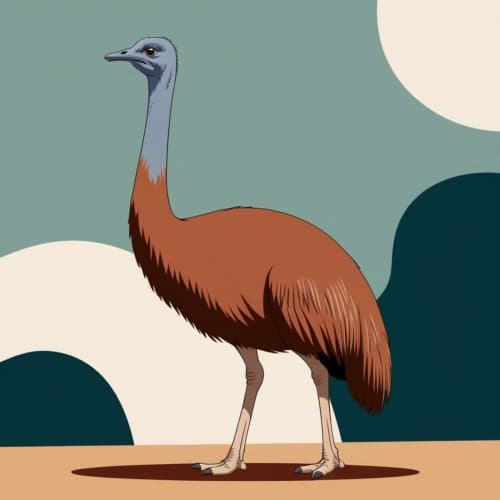
The bird that cannot fly. The emu is the biggest bird in Australia; it cannot fly, but it runs very fast, and the father looks after the eggs.
4:32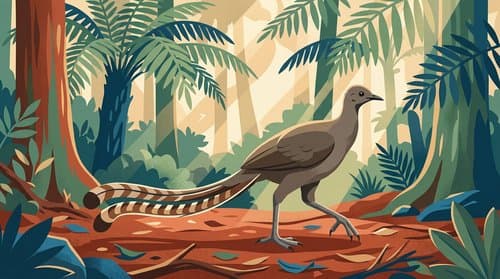 10
The bird that copies every sound. The male lyrebird opens a tail shaped like an old musical instrument, and he can sing the song of other birds, or the sound of a camera or a car.
3:47
- 1
Get ready to meet Australia's champion hopper! Discover why these incredible marsupials hop everywhere, how they stick together in groups called "mobs," and why they're such an icon of the Land Down Under.
4:24 - 2
Hop on over to the wallaby's world! Learn all about these smaller, super-agile cousins of the kangaroo and find out how they manage to live in so many different kinds of places.
4:56 - 3
What goes bump in the night? It's the possum! Learn about these amazing nocturnal climbers who love to hang out in trees and sometimes even sneak into the city for a snack.
5:04 - 4
Time for a nap! Explore the sleepy life of the koala, a fluffy tree-dweller with a big appetite for eucalyptus leaves, and see why it's one of Australia's most beloved animals.
4:46 - 5
Dive into the strange and wonderful world of the platypus! Discover how this funny-looking animal with a duck bill, beaver tail, and otter feet lives, hunts, and surprises scientists with its amazing abilities.
4:48 - 6
Australia's great digger. The wombat digs burrows sixty metres long, can run forty kilometres an hour, and leaves cube-shaped poo on rocks to mark its territory.
4:21 - 7
Australia's noisy, clever parrot. Cockatoos are parrots with a crest of special feathers; they use their strong bill like a third foot, live for about 50 years, copy human words and even dance to music.
4:39 - 8
Creep into the hidden home of the funnel-web spider! Learn how this fast, clever spider builds its special tunnel-shaped web and why it is known as one of Australia’s most famous arachnids.
6:15
Voir les 2 autres épisodes
- 9
Australia's fast bird that cannot fly. The emu cannot fly, but it can run fifty kilometres an hour; meet the father who looks after the chicks, and hear the strange story of the Great Emu War.
5:20 - 10
Australia's bird with a tail like a lyre. The lyrebird has no song of its own: it listens to the forest and repeats it perfectly, from other birds to a dog, a camera or a car alarm.
5:17
- 1
Get ready to meet Australia's champion hopper! Discover why these incredible marsupials hop everywhere, how they stick together in groups called "mobs," and why they're such an icon of the Land Down Under.
5:00 - 2
Hop on over to the wallaby's world! Learn all about these smaller, super-agile cousins of the kangaroo and find out how they manage to live in so many different kinds of places.
4:41 - 3
What goes bump in the night? It's the possum! Learn about these amazing nocturnal climbers who love to hang out in trees and sometimes even sneak into the city for a snack.
4:34 - 4
Time for a nap! Explore the sleepy life of the koala, a fluffy tree-dweller with a big appetite for eucalyptus leaves, and see why it's one of Australia's most beloved animals.
5:53 - 5
Dive into the strange and wonderful world of the platypus! Discover how this funny-looking animal with a duck bill, beaver tail, and otter feet lives, hunts, and surprises scientists with its amazing abilities.
4:36 - 6
The underground builder of Australia. A relative of the koala, the wombat builds tunnel systems up to sixty metres long, can run at forty kilometres an hour, and carries its young in a pocket that faces backwards.
5:02 - 7
The parrot that dances for fun. Cockatoos raise a crest of tall feathers, use their bill as a third foot and mostly prefer their left foot, and the Palm cockatoo even drums on dead branches with a stick.
5:05 - 8
Creep into the hidden home of the funnel-web spider! Learn how this fast, clever spider builds its special tunnel-shaped web and why it is known as one of Australia’s most famous arachnids.
4:18
Voir les 2 autres épisodes
- 9
The bird that won a war. Australia's largest bird cannot fly, but it can sprint at 50 kilometres per hour, and in 1932 it even defeated soldiers in the Great Emu War.
4:05 - 10
One of the best mimics in the world. Australia's Superb lyrebird copies almost anything it hears, from other birds to a chainsaw, then raises sixteen tail feathers over its head and dances on a mound of earth.
4:17
Guide pédagogique
Objectif & contenu
Animals & Creatures of Australia est une série documentaire qui présente un animal australien par épisode : kangourou, wallaby, opossum, koala, ornithorynque, araignée à toile en entonnoir, émeu et oiseau-lyre. Chaque animal est écrit séparément à trois niveaux du CECRL, A1, A2 et B1, afin qu'un même sujet puisse convenir à une classe de niveaux mélangés. Un narrateur anonyme, qui admet lui-même ne pas être un expert, décrit l'apparence, l'habitat, le comportement et l'alimentation de l'animal avec un humour britannique pince-sans-rire : un prédateur dangereux n'est jamais que « pas le genre de type qu'on inviterait à prendre le thé ». Chaque épisode se termine par un quiz de compréhension dans l'application.
Guide pédagogique
La série développe le vocabulaire des animaux sauvages et de la nature (description physique, environnement, parties du corps) par la comparaison plutôt que par la définition : un terme scientifique est toujours suivi d'une image du quotidien que l'élève peut se représenter (la bioluminescence comme « un bâton lumineux vivant »). Le ton léger rend un sujet riche en faits accessible dès le niveau A1. Comme chaque animal est écrit séparément à chaque niveau, et non simplifié ligne à ligne à partir d'un seul script, une classe peut revenir sur un sujet déjà vu, un an plus tard, à un niveau supérieur, sans répéter le même texte. Le quiz de fin d'épisode vérifie les faits clés cités par le narrateur : classification, habitat, alimentation et une anecdote mémorable.
Déroulé suggéré
- Choisissez l'animal et le niveau adaptés à votre classe, puis passez l'épisode une première fois en entier.
- Faites une pause après la description physique et demandez aux élèves de décrire l'animal avec leurs propres mots.
- Repassez la comparaison clé de l'épisode (par exemple « un bâton lumineux vivant ») et vérifiez que les élèves savent en reformuler le sens.
- Faites passer le quiz de compréhension de l'application, en classe entière ou individuellement.
- Comparez deux animaux de la série (le kangourou et le koala, par exemple) pour réactiver le vocabulaire de description physique.
- Pour une classe de niveau supérieur, revenez sur le même animal en A2 ou B1 plus tard dans l'année pour approfondir le sujet.
Adaptations possibles
- Niveaux plus faibles : Proposez une écoute fragmentée et des supports visuels complémentaires.
- Niveaux avancés : Encouragez un résumé oral et un débat en anglais sur le thème.
- Grands groupes : Organisez un travail en îlots avec des rôles différenciés.
🔒 Contenu restreint
Cette ressource nécessite un abonnement pour être consultée.
Débloquer la ressourceInclus dans l'abonnement