Animals & Creatures of Australia
A teaching resource designed to energise your English lessons.
About the series
Animals & Creatures of Australia is a documentary series where pupils meet one Australian animal per episode, from the kangaroo and koala to the platypus and the funnel-web spider. Each animal is told at three CEFR levels, A1, A2 and B1, with dry British humour turning scientific facts about habitat, behaviour and diet into memorable comparisons. It builds wild-animal and nature vocabulary while training listening comprehension and cultural awareness, for an 11 to 15 year old audience.
Episodes (10)
 1
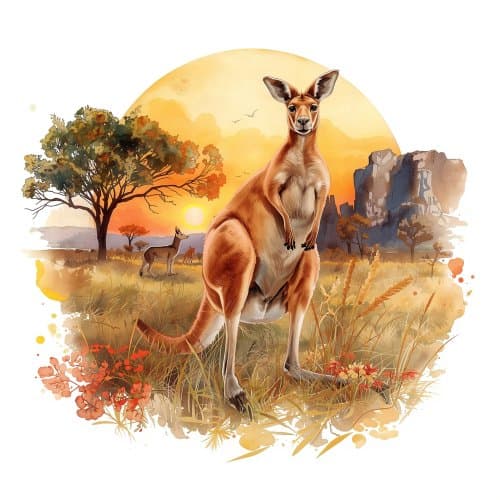
Get ready to meet Australia's champion hopper! Discover why these incredible marsupials hop everywhere, how they stick together in groups called "mobs," and why they're such an icon of the Land Down Under.
3:44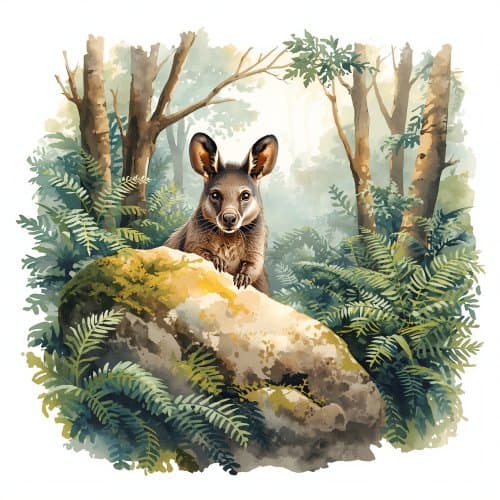 2
Hop on over to the wallaby's world! Learn all about these smaller, super-agile cousins of the kangaroo and find out how they manage to live in so many different kinds of places.
3:25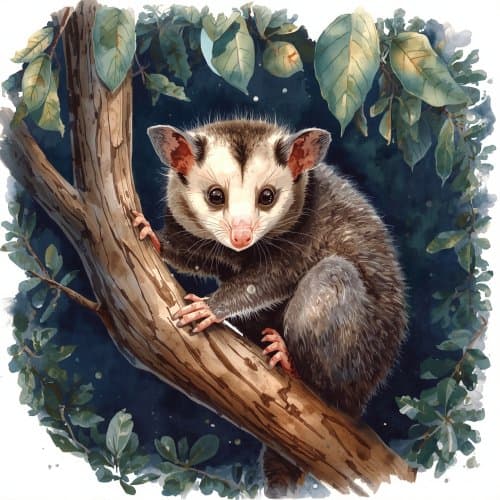 3
What goes bump in the night? It's the possum! Learn about these amazing nocturnal climbers who love to hang out in trees and sometimes even sneak into the city for a snack.
4:03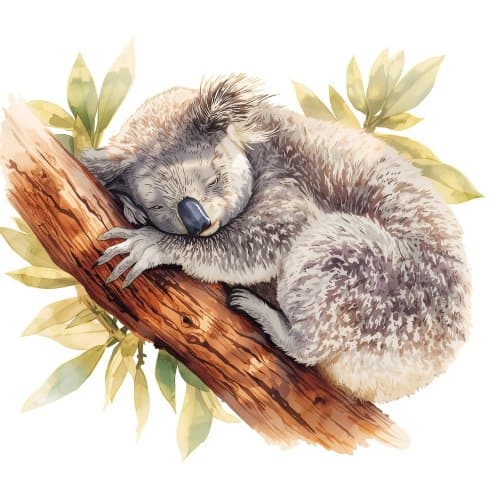 4
Time for a nap! Explore the sleepy life of the koala, a fluffy tree-dweller with a big appetite for eucalyptus leaves, and see why it's one of Australia's most beloved animals.
4:18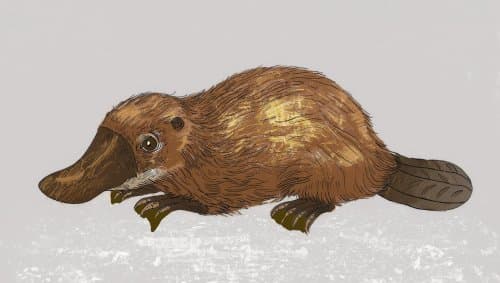 5
Dive into the strange and wonderful world of the platypus! Discover how this funny-looking animal with a duck bill, beaver tail, and otter feet lives, hunts, and surprises scientists with its amazing abilities.
5:14 6
The animal with square poo. The wombat makes its house under the land. It sleeps sixteen hours a day, and it can run very fast on its short legs.
5:08 7
The bird with a crest on its head. Cockatoos are big, noisy parrots from Australia: they have a crest on their head and a very strong beak, they live for a long time, and some can dance.
4:03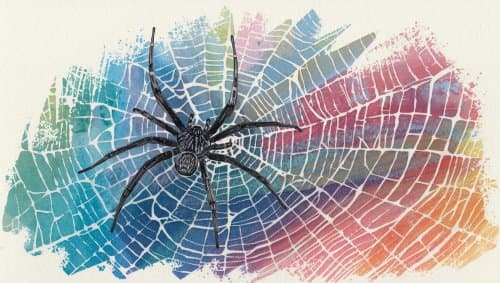 8
Creep into the hidden home of the funnel-web spider! Learn how this fast, clever spider builds its special tunnel-shaped web and why it is known as one of Australia’s most famous arachnids.
4:00
See the other 2 episodes
 9
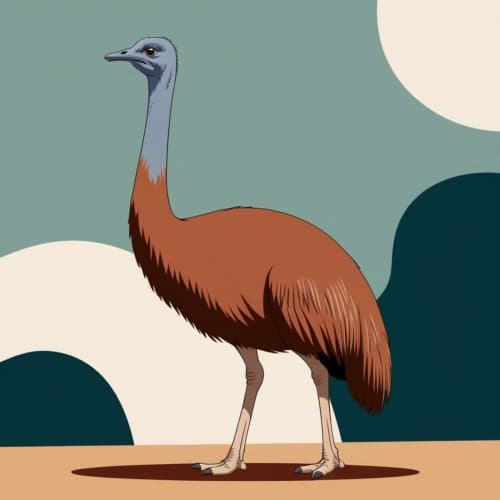
The bird that cannot fly. The emu is the biggest bird in Australia; it cannot fly, but it runs very fast, and the father looks after the eggs.
4:32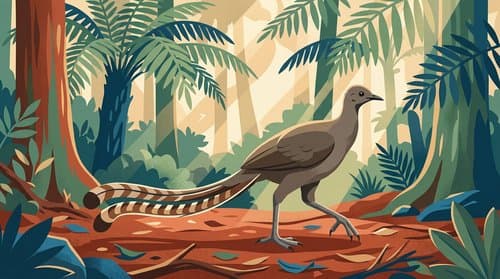 10
The bird that copies every sound. The male lyrebird opens a tail shaped like an old musical instrument, and he can sing the song of other birds, or the sound of a camera or a car.
3:47
- 1
Get ready to meet Australia's champion hopper! Discover why these incredible marsupials hop everywhere, how they stick together in groups called "mobs," and why they're such an icon of the Land Down Under.
4:24 - 2
Hop on over to the wallaby's world! Learn all about these smaller, super-agile cousins of the kangaroo and find out how they manage to live in so many different kinds of places.
4:56 - 3
What goes bump in the night? It's the possum! Learn about these amazing nocturnal climbers who love to hang out in trees and sometimes even sneak into the city for a snack.
5:04 - 4
Time for a nap! Explore the sleepy life of the koala, a fluffy tree-dweller with a big appetite for eucalyptus leaves, and see why it's one of Australia's most beloved animals.
4:46 - 5
Dive into the strange and wonderful world of the platypus! Discover how this funny-looking animal with a duck bill, beaver tail, and otter feet lives, hunts, and surprises scientists with its amazing abilities.
4:48 - 6
Australia's great digger. The wombat digs burrows sixty metres long, can run forty kilometres an hour, and leaves cube-shaped poo on rocks to mark its territory.
4:21 - 7
Australia's noisy, clever parrot. Cockatoos are parrots with a crest of special feathers; they use their strong bill like a third foot, live for about 50 years, copy human words and even dance to music.
4:39 - 8
Creep into the hidden home of the funnel-web spider! Learn how this fast, clever spider builds its special tunnel-shaped web and why it is known as one of Australia’s most famous arachnids.
6:15
See the other 2 episodes
- 9
Australia's fast bird that cannot fly. The emu cannot fly, but it can run fifty kilometres an hour; meet the father who looks after the chicks, and hear the strange story of the Great Emu War.
5:20 - 10
Australia's bird with a tail like a lyre. The lyrebird has no song of its own: it listens to the forest and repeats it perfectly, from other birds to a dog, a camera or a car alarm.
5:17
- 1
Get ready to meet Australia's champion hopper! Discover why these incredible marsupials hop everywhere, how they stick together in groups called "mobs," and why they're such an icon of the Land Down Under.
5:00 - 2
Hop on over to the wallaby's world! Learn all about these smaller, super-agile cousins of the kangaroo and find out how they manage to live in so many different kinds of places.
4:41 - 3
What goes bump in the night? It's the possum! Learn about these amazing nocturnal climbers who love to hang out in trees and sometimes even sneak into the city for a snack.
4:34 - 4
Time for a nap! Explore the sleepy life of the koala, a fluffy tree-dweller with a big appetite for eucalyptus leaves, and see why it's one of Australia's most beloved animals.
5:53 - 5
Dive into the strange and wonderful world of the platypus! Discover how this funny-looking animal with a duck bill, beaver tail, and otter feet lives, hunts, and surprises scientists with its amazing abilities.
4:36 - 6
The underground builder of Australia. A relative of the koala, the wombat builds tunnel systems up to sixty metres long, can run at forty kilometres an hour, and carries its young in a pocket that faces backwards.
5:02 - 7
The parrot that dances for fun. Cockatoos raise a crest of tall feathers, use their bill as a third foot and mostly prefer their left foot, and the Palm cockatoo even drums on dead branches with a stick.
5:05 - 8
Creep into the hidden home of the funnel-web spider! Learn how this fast, clever spider builds its special tunnel-shaped web and why it is known as one of Australia’s most famous arachnids.
4:18
See the other 2 episodes
- 9
The bird that won a war. Australia's largest bird cannot fly, but it can sprint at 50 kilometres per hour, and in 1932 it even defeated soldiers in the Great Emu War.
4:05 - 10
One of the best mimics in the world. Australia's Superb lyrebird copies almost anything it hears, from other birds to a chainsaw, then raises sixteen tail feathers over its head and dances on a mound of earth.
4:17
Teaching guide
Objective & content
Animals & Creatures of Australia is a documentary series that introduces one Australian animal per episode: kangaroo, wallaby, possum, koala, platypus, funnel-web spider, emu and lyrebird. Each animal is scripted separately at three CEFR levels, A1, A2 and B1, so the same topic can serve a mixed-level class. An unnamed narrator, self-admittedly not an expert, describes the animal's appearance, habitat, behaviour and diet in a dry, understated British style: a dangerous predator is simply "not the sort of chap you'd invite round for tea." Each episode ends with an in-app comprehension quiz.
Pedagogical guide
The series builds wild-animal and nature vocabulary (physical description, environment, body parts) through comparison rather than definition: a scientific term is always followed by an everyday image a pupil can picture (bioluminescence as "a living glow-stick"). The light tone keeps a fact-dense subject accessible at A1. Because each animal is scripted separately at every level, not simplified line by line from a single script, a class can revisit a familiar topic a year later at a higher level without repeating the same text. The quiz at the end of each episode checks the key facts the narrator names: classification, habitat, diet and one memorable anecdote.
Suggested procedure
- Pick the animal and the level that matches your class, then play the episode once straight through.
- Pause after the physical description and ask pupils to describe the animal in their own words.
- Replay the episode's key comparison (e.g. "a living glow-stick") and check pupils can restate what it means.
- Run the in-app comprehension quiz as a class or individually.
- Compare two animals from the series (Kangaroo and Koala, say) to recycle the physical-description vocabulary.
- For a higher-level class, revisit the same animal at A2 or B1 later in the year to extend the topic.
Possible adaptations
- Lower levels: Offer segmented listening and additional visual aids.
- Advanced levels: Encourage an oral summary and a debate in English on the theme.
- Large groups: Organise group work with differentiated roles.
🔒 Restricted content
This resource requires a subscription to be viewed.
Unlock the resourceIncluded in the subscription