Four children, four swans
Episode of the series Look Closer
- Illustrated slideshow (29 images)
- Glossary (17 words)
- Comprehension quiz (10 questions)
- 13 cultural notes
 Extract · 30 s
The episode
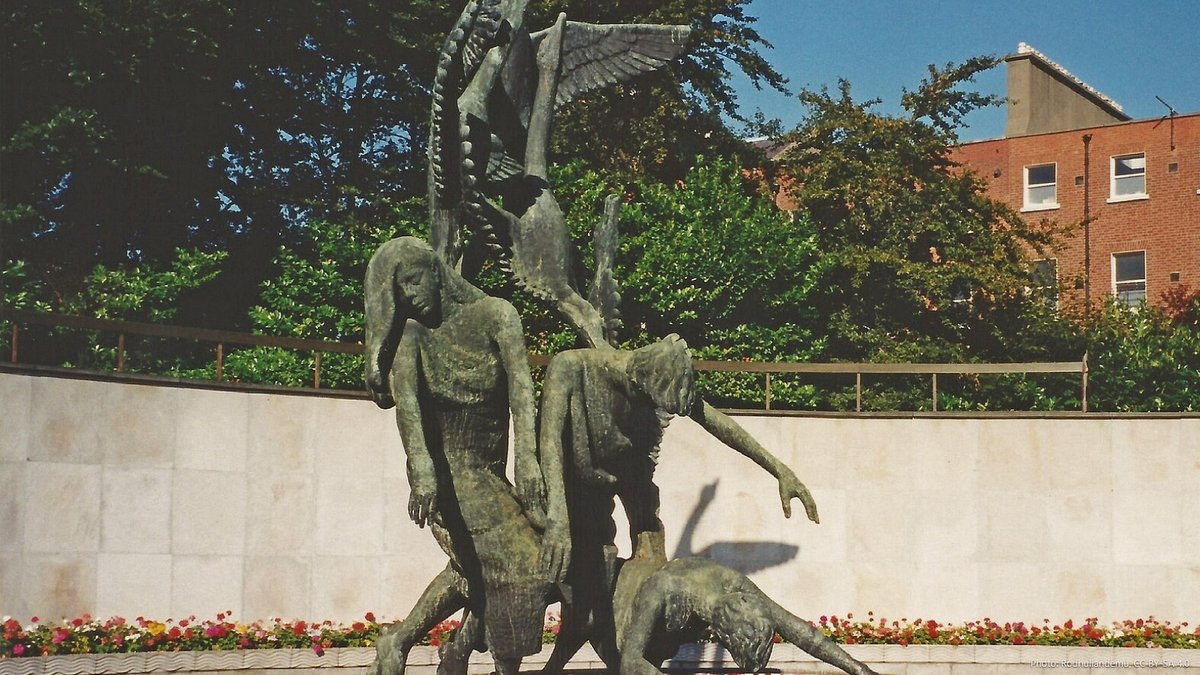
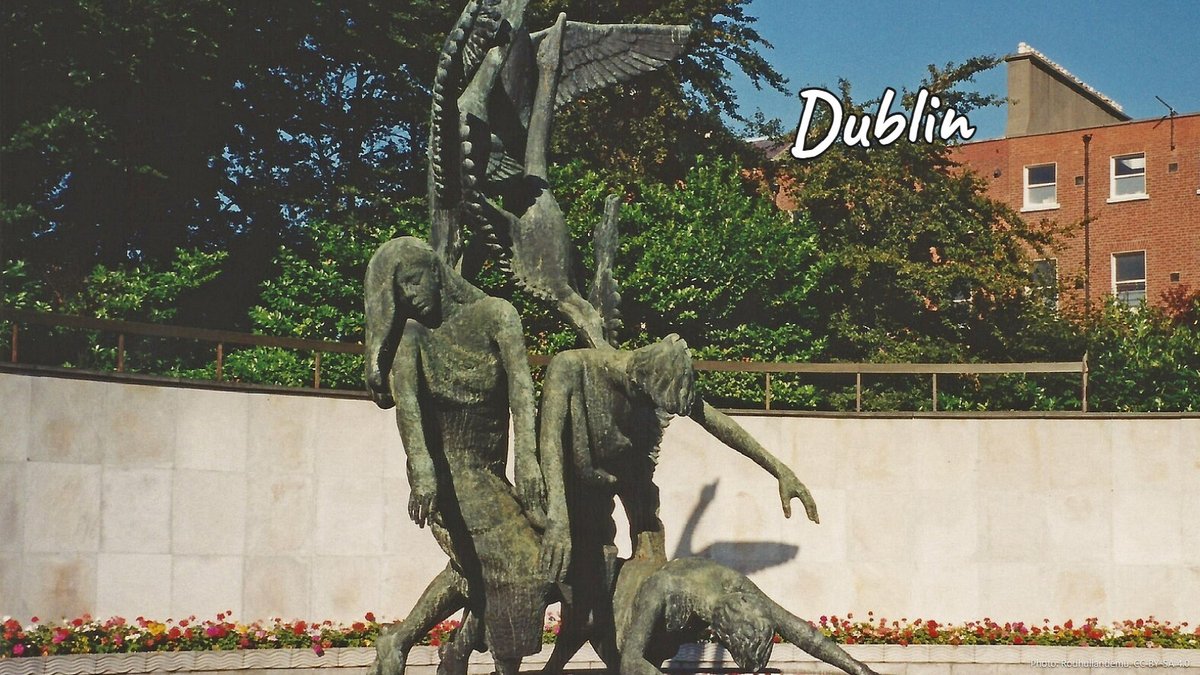
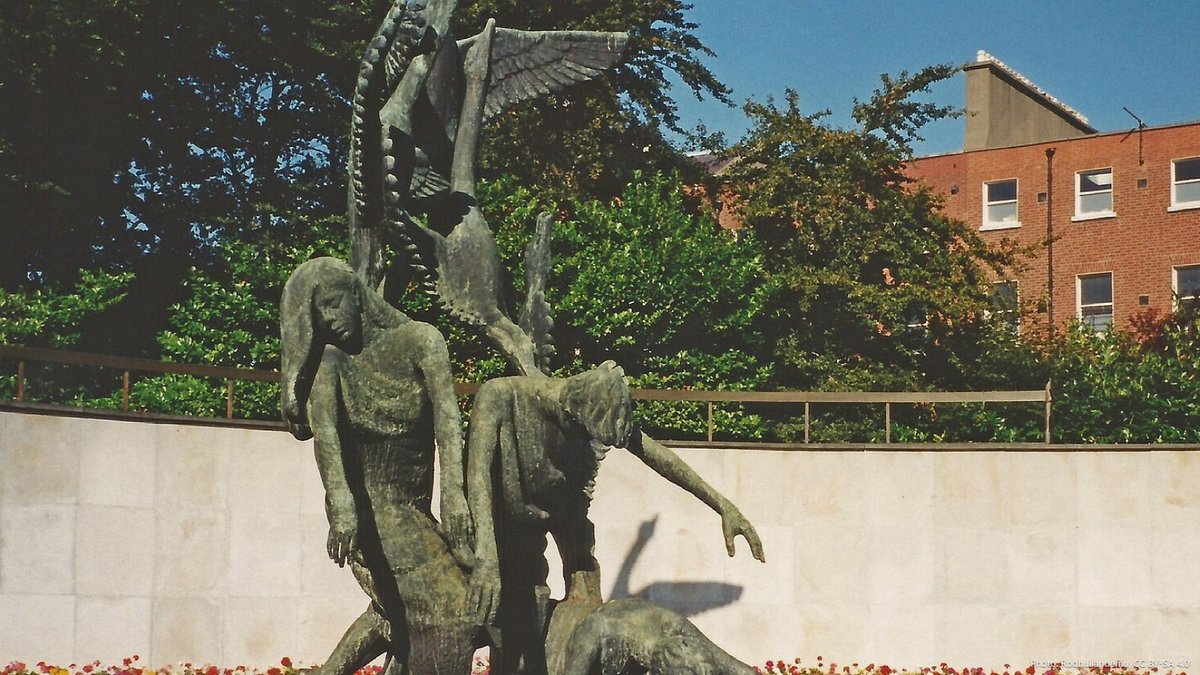
A famous statue in Dublin tells an old Irish legend: King Lir's four children become white swans for nine hundred years. Find out why, where they go, and what happens when they hear a bell.
Episode worksheets (2)
- Student sheet In your teacher account
- Teacher sheet In your teacher account
Teaching guide
Objective & content
This Look Closer episode (Ireland, myths and legends mini-series, episode 53) is a one-minute documentary that tells the old Irish legend of the Children of Lir, with real photos and drawings of the story. A single narrator opens on the famous statue of the Children of Lir in Dublin and asks learners to look closer: can they see children and swans? King Lir has four children, a girl, Fionnuala, and her three little brothers. Their mother dies, the king marries again, and his new wife, the children's stepmother, is jealous because the king loves his children very much. At a lake, she takes a magic stick and turns the four children into white swans. The legend says they stay swans for nine hundred years: three hundred years on the lake, three hundred on a cold sea and three hundred by the ocean. They keep their voices, they sing, and people come to listen. One day they hear a bell, their feathers fall and they are people again, but very, very old. The episode closes on an opinion question: is this story happy, or sad? The present simple carries the story (dies, marries, takes, turns), with this is to point at a picture, the questions can you see ...? and is this story happy, or sad?, the possessives his, her and their, the possessive 's (the children's stepmother) and the contractions she's and they're, with vocabulary for the family, animals and legends. Learners listen, then answer the 10 questions in the app: 7 on facts and 3 on vocabulary (stepmother, jealous, feathers). The study topic is Ireland, land of myths and legends.
Materials & prerequisites
The folder holds the audio, the slideshow and the script. Each pack is a one-page PDF with the text, three pictures, the key words and the 10 questions: a pupil pack, and a teacher pack with the answers highlighted. It also has a pupil sheet and a teacher sheet with the answer key. It has no lesson plan. Play the episode twice, hand out the pupil pack, then use the closing question (What do you think? Is this story happy, or sad?) for a short class vote: learners answer I think it's happy, because they're people again or I think it's sad, because they're very old. Learners should know mother, brother, king, white and numbers in hundreds (three hundred, nine hundred), and be able to use the present simple with he and she (She takes a magic stick). Statue and legend name the subject of the episode, so they are taught for understanding here, above the A1 word lists; magic stick, jealous and feathers are explained by the script and the pictures.
Curriculum alignment
Tagged imagination-tales-and-legends (6e, "Imaginaire, contes et légendes", study topic "Ireland, land of myths and legends", Cycle 3). The episode targets CEFR level A1+.
Possible adaptations
- Lower levels: Offer segmented listening and additional visual aids.
- Advanced levels: Encourage an oral summary and a debate in English on the theme.
- Large groups: Organise group work with differentiated roles.
🔒 Restricted content
This resource requires a subscription to be viewed.
Unlock the resourceIncluded in the subscriptionTags
- Present simple
- Demonstratives: this / that
- Possessive adjectives
- Genitive 's
- Question forms
- Myths & legends
- Magic
- Family
- Wild animals
- Large numbers
- Imagination, tales and legends
- Listening comprehension
- Vocabulary building
- Cultural awareness