Superheroes
Episode of the series Awesome Stuff
- Illustrated slideshow (30 images)
- Glossary (23 words)
- Comprehension quiz (17 questions)
- 22 cultural notes
 Extract · 30 s
The episode
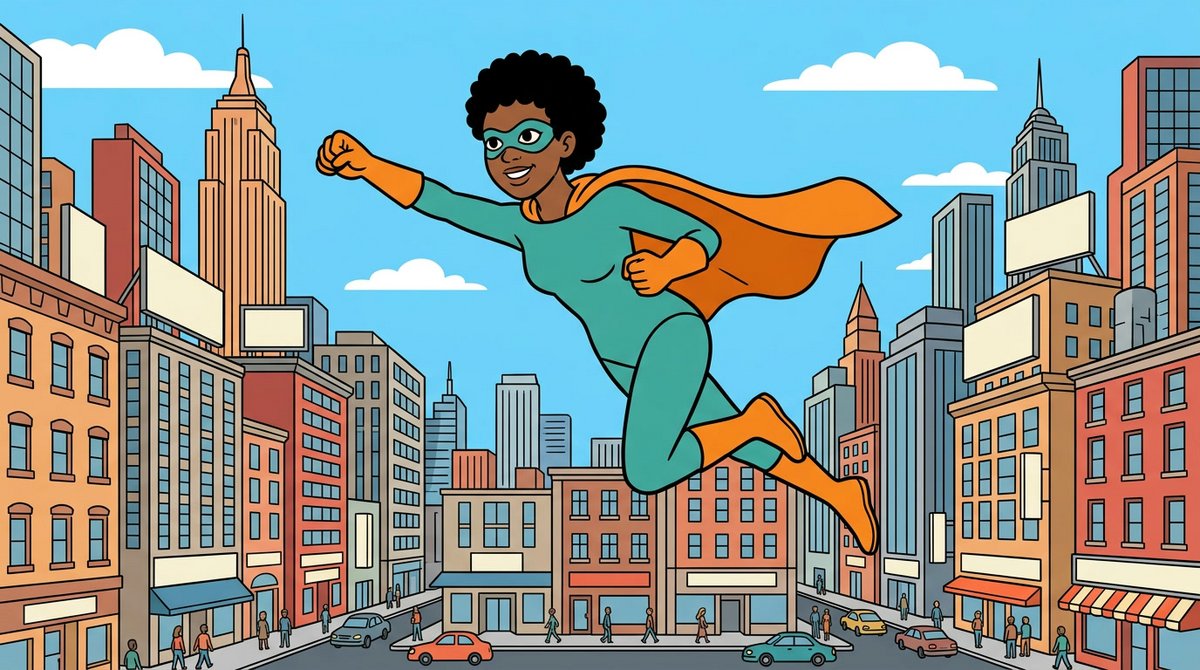
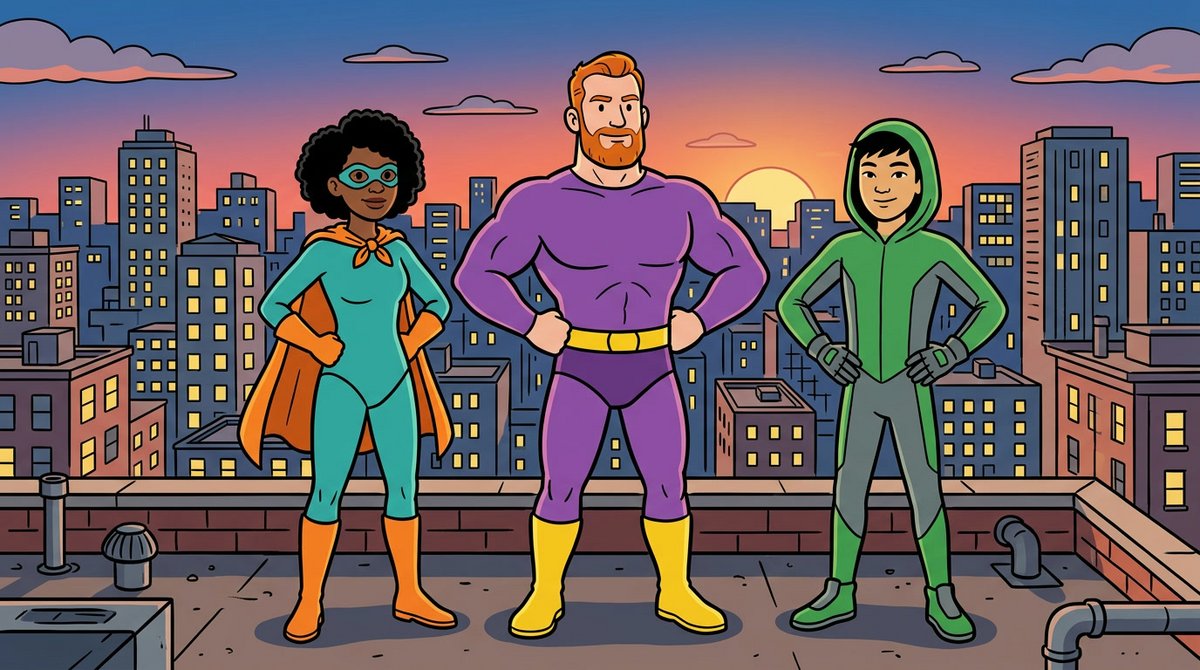
Superheroes can fly, climb walls and hide a secret identity! Find out where they come from, from a ten-cent comic made by two teenagers to a comic worth six million dollars.
Episode worksheets (2)
- Student sheet In your teacher account
- Teacher sheet In your teacher account
Teaching guide
Objective & content
Two friends talk about American superheroes: what a superhero is (superpowers, a costume with a cape or a mask, a secret identity) and the comic books they come from, magazines with stories in pictures and speech bubbles. The friends meet the first big heroes: Superman in 1938, the idea of two high school friends from Cleveland, Ohio, Jerry Siegel and Joe Shuster, in a first comic that cost ten cents; Batman in 1939, with clever gadgets but no superpowers; Wonder Woman in 1941, one of the first women superheroes; and Spider-Man in 1962, a New York teenager with homework. They also find out why a lot of superheroes live in New York, how one of the first Superman comics sold for six million dollars in 2024, and what fans do at Comic-Con in San Diego. What superheroes are and do is told in the present simple (they wear a costume, he has homework), with can for abilities ("Can Batman fly?"), the past simple for dated events (was, arrived, came, cost, sold) and questions with who, what, why and where. Learners listen for the names, the dates and the numbers, then answer the quiz in the app and the one-page pupil sheet.
Materials & prerequisites
- The episode in the app, with its quiz.
- The one-page pupil sheet (18 items: facts, vocabulary, grammar) and its answer key, in the episode's printables.
- Prerequisites: present simple, can for ability, the past simple of a few common verbs (was, came) and years and big numbers in English.
Curriculum alignment
Tagged c3-child-and-imagination and people-and-characters, so it fits cycle 3 (6e): the theme The child and imagination ("L'enfant et son imaginaire") and the 6e axis People and characters ("Personnes et personnages"). The episode targets CEFR A1+.
Possible adaptations
- Lower levels: Offer segmented listening and additional visual aids.
- Advanced levels: Encourage an oral summary and a debate in English on the theme.
- Large groups: Organise group work with differentiated roles.
🔒 Restricted content
This resource requires a subscription to be viewed.
Unlock the resourceIncluded in the subscriptionTags
- Podcast
- Present simple
- Can: ability
- Past simple: irregular verbs
- Past simple: regular verbs
- Past simple: was / were
- Question forms
- Superheroes
- Clothes
- Verbs of motion
- Historical dates
- Large numbers
- Comics
- New York
- Child and imagination
- People and characters
- Listening comprehension
- Cultural awareness
- Vocabulary building