Listen Up!
Um recurso pedagógico para dar mais vida à sua aula de inglês.
Sobre a série
Conversas curtas do dia a dia para ouvir sozinho: comprar passagens, pedir num café, perguntar o caminho, ligar para uma amiga. Cada episódio dura cerca de um minuto, com duas ou três pessoas, um pequeno problema para acompanhar e detalhes para captar: horários, preços, números e nomes. Vozes britânicas claras, personagens novos e um lugar novo a cada vez.
Os episódios (30)
 1
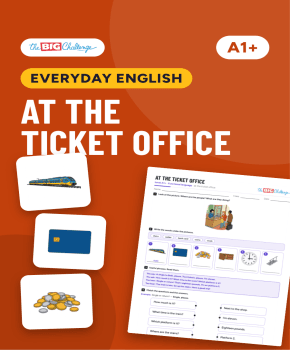
Listen, then answer. Listen to a conversation (at the ticket office), then answer the questions. Can you catch the details?
1:09 2
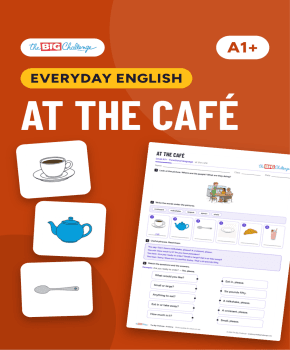
Listen, then answer. Listen to a conversation (at the café), then answer the questions. Can you catch the details?
1:02 3
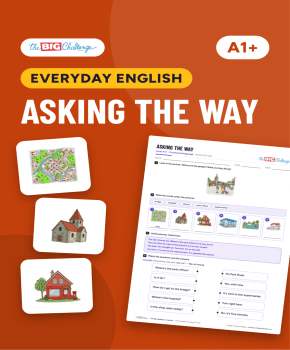
Listen, then answer. Listen to a conversation (asking the way), then answer the questions. Can you catch the details?
1:17 4
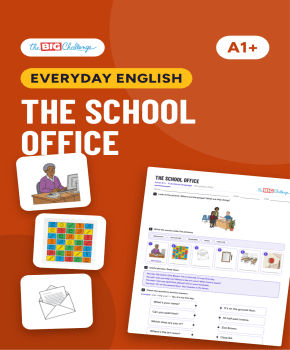
Listen, then answer. Listen to a conversation (the school office), then answer the questions. Can you catch the details?
1:15 5
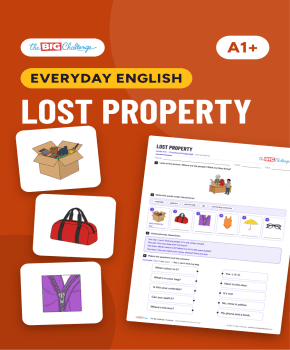
Listen, then answer. Listen to a conversation (lost property), then answer the questions. Can you catch the details?
1:00 6
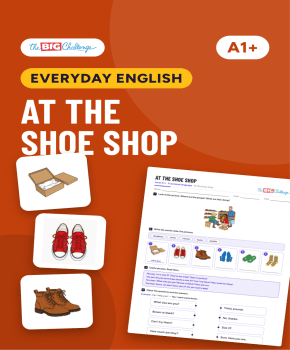
Listen, then answer. Listen to a conversation (at the shoe shop), then answer the questions. Can you catch the details?
1:15 7
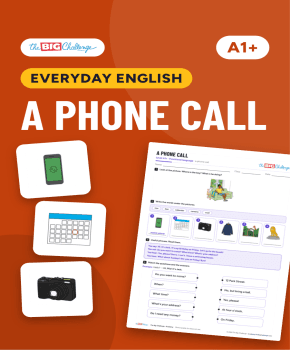
Listen, then answer. Listen to a conversation (a phone call), then answer the questions. Can you catch the details?
0:56 8
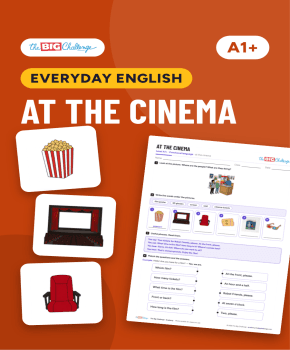
Listen, then answer. Listen to a conversation (at the cinema), then answer the questions. Can you catch the details?
1:00
Ver os outros 2 episódios
 9
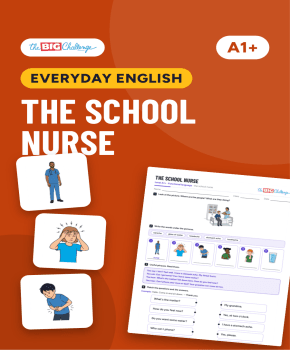
Listen, then answer. Listen to a conversation (the school nurse), then answer the questions. Can you catch the details?
1:28 10
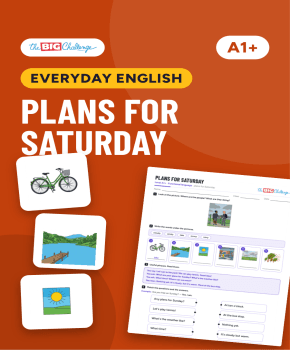
Listen, then answer. Listen to a conversation (plans for saturday), then answer the questions. Can you catch the details?
1:00
 1
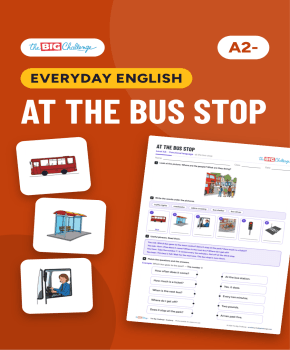
Listen, then answer. Listen to a conversation (at the bus stop), then answer the questions. Can you catch the details?
1:12 2
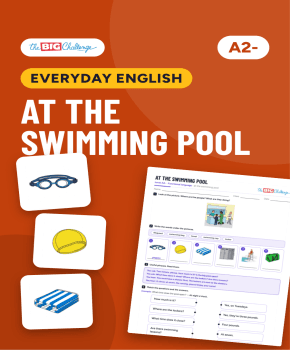
Listen, then answer. Listen to a conversation (at the swimming pool), then answer the questions. Can you catch the details?
1:25 3
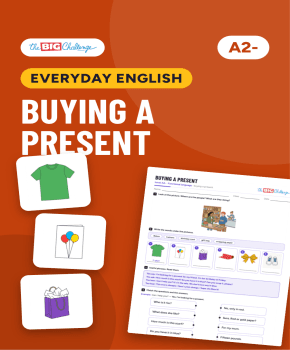
Listen, then answer. Listen to a conversation (buying a present), then answer the questions. Can you catch the details?
1:10 4
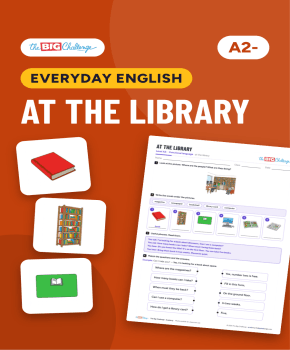
Listen, then answer. Listen to a conversation (at the library), then answer the questions. Can you catch the details?
1:26 5
Listen, then answer. Listen to a conversation (at the market), then answer the questions. Can you catch the details?
1:11 6
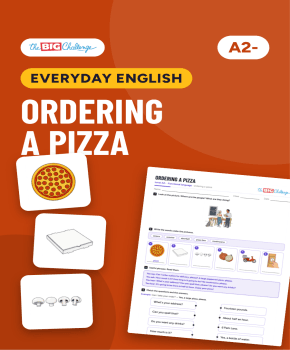
Listen, then answer. Listen to a conversation (ordering a pizza), then answer the questions. Can you catch the details?
1:22 7
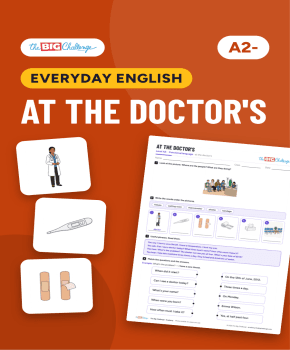
Listen, then answer. Listen to a conversation (at the doctor's), then answer the questions. Can you catch the details?
1:25 8
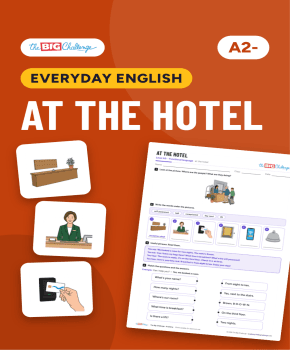
Listen, then answer. Listen to a conversation (at the hotel), then answer the questions. Can you catch the details?
1:21
Ver os outros 12 episódios
 9
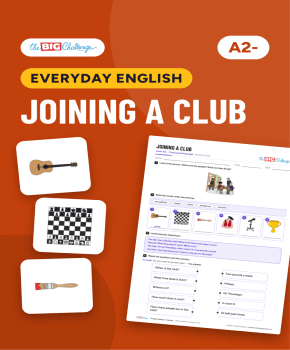
Listen, then answer. Listen to a conversation (joining a club), then answer the questions. Can you catch the details?
1:11 10
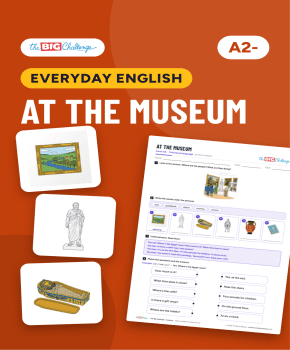
Listen, then answer. Listen to a conversation (at the museum), then answer the questions. Can you catch the details?
1:27 11
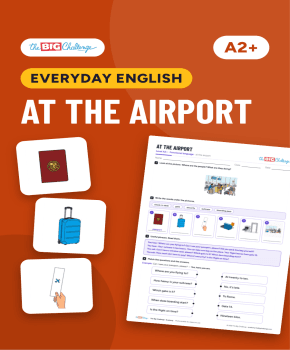
Listen, then answer. Listen to a conversation (at the airport), then answer the questions. Can you catch the details?
1:43 12
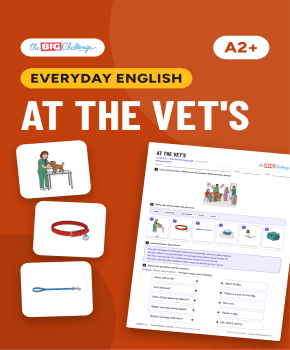
Listen, then answer. Listen to a conversation (at the vet's), then answer the questions. Can you catch the details?
1:33 13
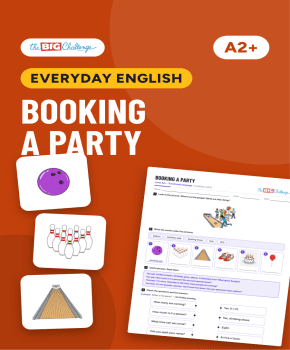
Listen, then answer. Listen to a conversation (booking a party), then answer the questions. Can you catch the details?
1:22 14
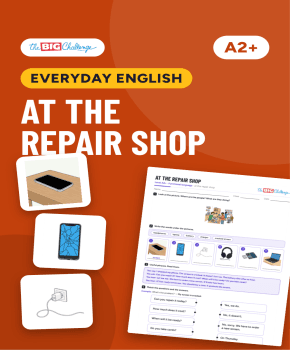
Listen, then answer. Listen to a conversation (at the repair shop), then answer the questions. Can you catch the details?
1:32 15
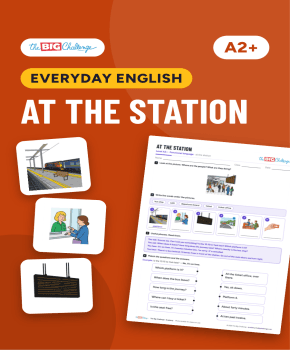
Listen, then answer. Listen to a conversation (at the station), then answer the questions. Can you catch the details?
1:26 16
Listen, then answer. Listen to a conversation (taking something back), then answer the questions. Can you catch the details?
1:27 17
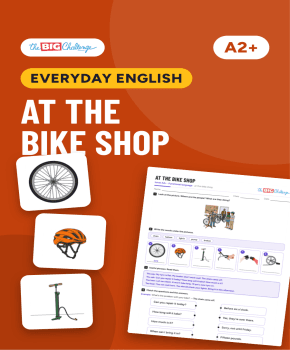
Listen, then answer. Listen to a conversation (at the bike shop), then answer the questions. Can you catch the details?
1:16 18
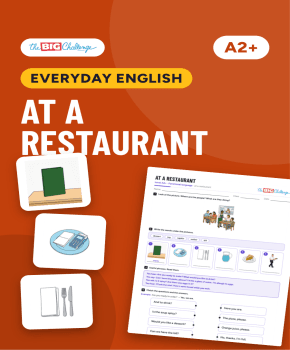
Listen, then answer. Listen to a conversation (at a restaurant), then answer the questions. Can you catch the details?
1:22 19
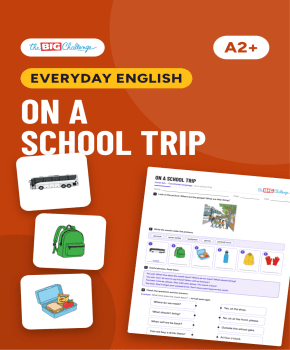
Listen, then answer. Listen to a conversation (a school trip), then answer the questions. Can you catch the details?
1:22 20
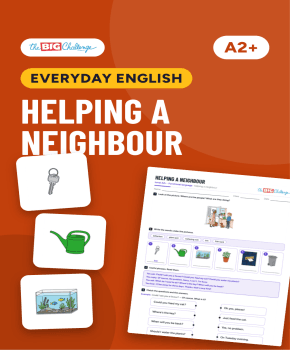
Listen, then answer. Listen to a conversation (a favour for a neighbour), then answer the questions. Can you catch the details?
1:26
Guia pedagógico
Objetivo e conteúdo
Listen Up! é uma série de escuta com situações do dia a dia: comprar passagens de trem, pedir num café, perguntar o caminho, ir à secretaria da escola, ligar para uma amiga, ir à enfermaria da escola. Cada episódio é uma conversa de cerca de um minuto entre duas ou três pessoas, com personagens novos e um lugar novo a cada vez, e cada um tem um pequeno problema para acompanhar e detalhes para captar: horários, preços, números e nomes. Os episódios vão do nível A1+ ao A2+, em inglês britânico claro. Uma imagem do lugar, sem pessoas e sem texto, aparece no início e depois se apaga, para que os alunos escutem em vez de olhar.
Guia pedagógico
A série foi feita para o trabalho autônomo, num aparelho com fones de ouvido, ouvindo quantas vezes for preciso. Os alunos ouvem primeiro para entender a ideia geral, depois os detalhes, e então respondem a perguntas em três grupos: compreensão (a situação, depois os detalhes), vocabulário e expressões úteis. As conversas servem de modelo do inglês educado e prático do dia a dia (Can I pay by card? Can you spell that, please? Is there another time?). Não há roteiro nem legendas na tela, e o aplicativo não dá traduções: o aluno que precisar de uma palavra usa um dicionário. A página de cada episódio tem as suas próprias notas para o professor, o roteiro e uma retomada opcional em sala. Para a sala de aula, cada episódio também tem a sua ficha de situação para imprimir, de duas páginas (palavras e frases úteis, um diálogo para completar, o episódio por QR code, uma dramatização): procure o nome do episódio nos recursos pedagógicos.
Sequência sugerida
- Os alunos abrem o episódio sozinhos, com fones de ouvido, e ouvem uma vez inteiro.
- Respondem às perguntas de compreensão, ouvindo a conversa de novo quantas vezes precisarem.
- Terminam com o vocabulário e as expressões úteis.
- De volta à sala (opcional, cerca de 10 minutos): perguntar qual era o problema e como foi resolvido.
- Em duplas ou trios, os alunos encenam a mesma situação com os seus próprios detalhes (outro horário, outro preço, outro nome).
Adaptações possíveis
- Níveis mais frágeis: proponha uma escuta por trechos e apoios visuais complementares.
- Níveis avançados: incentive um resumo oral e um debate em inglês sobre o tema.
- Turmas grandes: organize um trabalho em grupos com papéis diferentes.
Critérios pedagógicos
Temas de discussão sobre a série
Depois de ouvir, uma apresentação para projetar faz a turma inteira falar: uma pergunta, as palavras para responder, um debate.