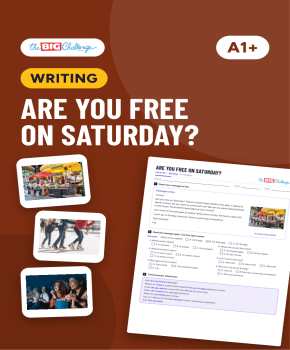
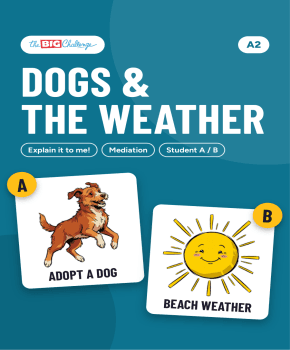
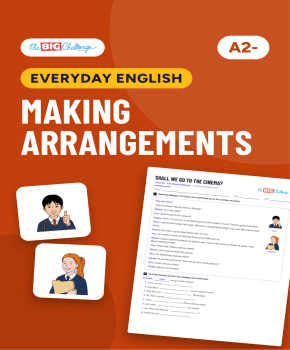
Listen Up!
Un recurso pedagógico pensado para dinamizar sus clases de inglés.
Sobre la serie
Conversaciones cortas de la vida diaria para escuchar de forma autónoma: comprar billetes, pedir en una cafetería, preguntar el camino, llamar a una amiga. Cada episodio dura alrededor de un minuto, con dos o tres personas, un pequeño problema que seguir y detalles que captar: horas, precios, números y nombres. Voces británicas claras, personajes nuevos y un lugar nuevo cada vez.
Los episodios (30)
 1
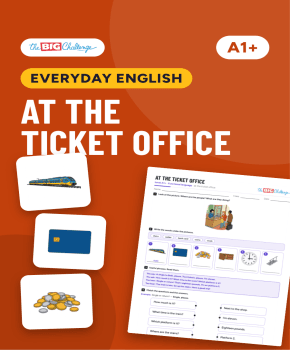
Listen, then answer. Listen to a conversation (at the ticket office), then answer the questions. Can you catch the details?
1:09 2
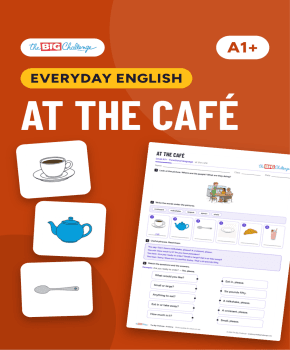
Listen, then answer. Listen to a conversation (at the café), then answer the questions. Can you catch the details?
1:02 3
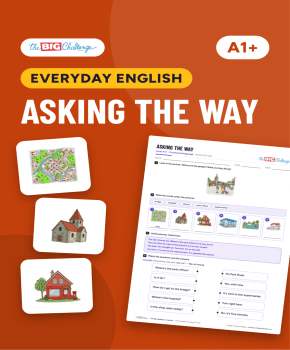
Listen, then answer. Listen to a conversation (asking the way), then answer the questions. Can you catch the details?
1:17 4
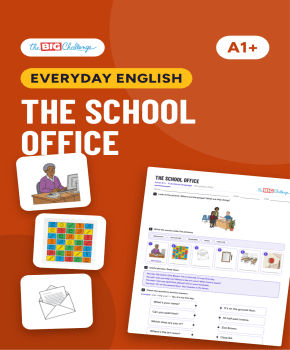
Listen, then answer. Listen to a conversation (the school office), then answer the questions. Can you catch the details?
1:15 5
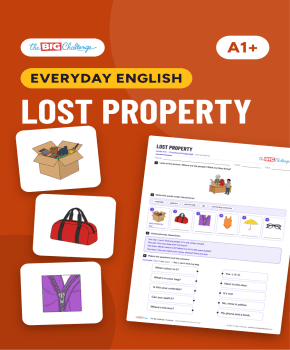
Listen, then answer. Listen to a conversation (lost property), then answer the questions. Can you catch the details?
1:00 6
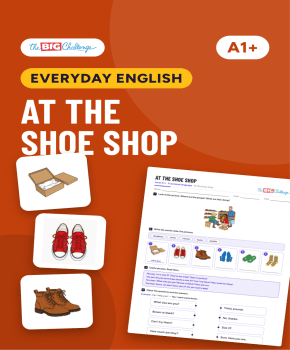
Listen, then answer. Listen to a conversation (at the shoe shop), then answer the questions. Can you catch the details?
1:15 7
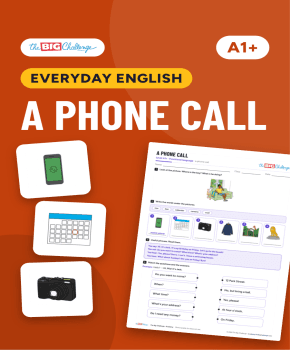
Listen, then answer. Listen to a conversation (a phone call), then answer the questions. Can you catch the details?
0:56 8
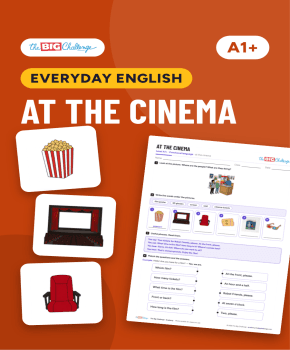
Listen, then answer. Listen to a conversation (at the cinema), then answer the questions. Can you catch the details?
1:00
Ver los otros 2 episodios
 9
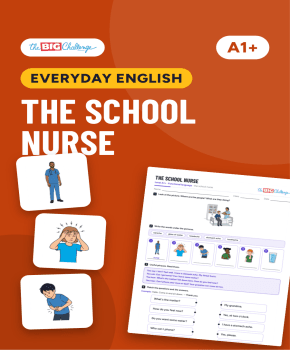
Listen, then answer. Listen to a conversation (the school nurse), then answer the questions. Can you catch the details?
1:28 10
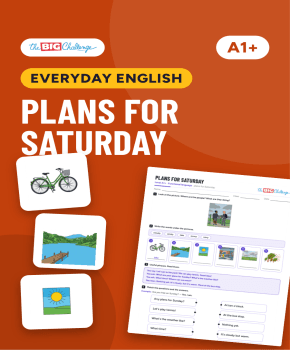
Listen, then answer. Listen to a conversation (plans for saturday), then answer the questions. Can you catch the details?
1:00
 1
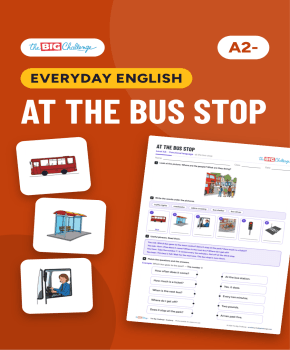
Listen, then answer. Listen to a conversation (at the bus stop), then answer the questions. Can you catch the details?
1:12 2
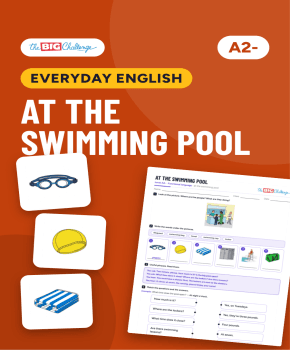
Listen, then answer. Listen to a conversation (at the swimming pool), then answer the questions. Can you catch the details?
1:25 3
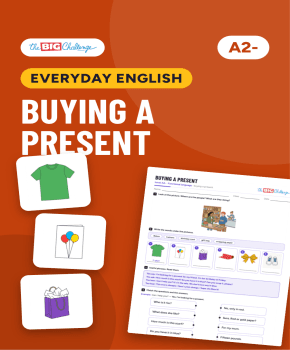
Listen, then answer. Listen to a conversation (buying a present), then answer the questions. Can you catch the details?
1:10 4
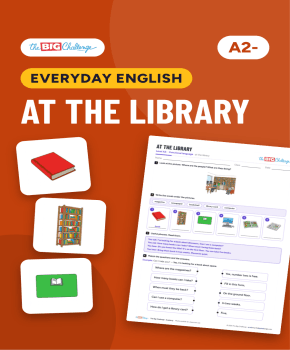
Listen, then answer. Listen to a conversation (at the library), then answer the questions. Can you catch the details?
1:26 5
Listen, then answer. Listen to a conversation (at the market), then answer the questions. Can you catch the details?
1:11 6
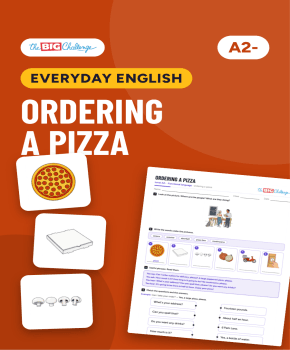
Listen, then answer. Listen to a conversation (ordering a pizza), then answer the questions. Can you catch the details?
1:22 7
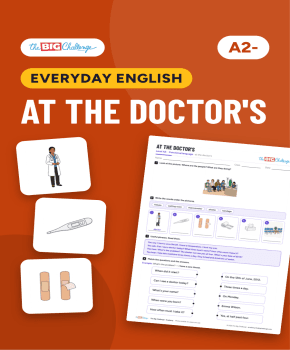
Listen, then answer. Listen to a conversation (at the doctor's), then answer the questions. Can you catch the details?
1:25 8
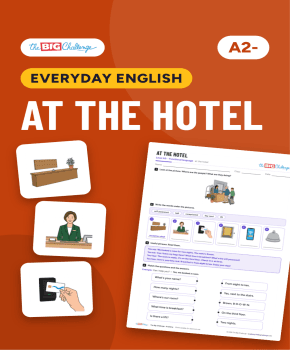
Listen, then answer. Listen to a conversation (at the hotel), then answer the questions. Can you catch the details?
1:21
Ver los otros 12 episodios
 9
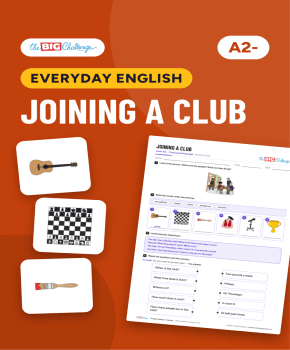
Listen, then answer. Listen to a conversation (joining a club), then answer the questions. Can you catch the details?
1:11 10
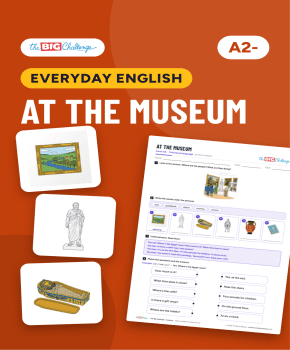
Listen, then answer. Listen to a conversation (at the museum), then answer the questions. Can you catch the details?
1:27 11
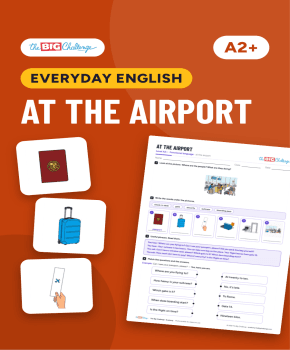
Listen, then answer. Listen to a conversation (at the airport), then answer the questions. Can you catch the details?
1:43 12
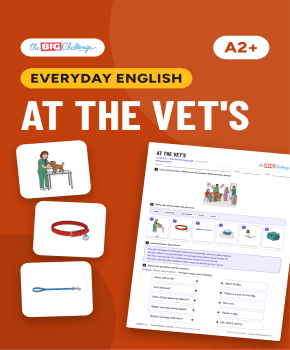
Listen, then answer. Listen to a conversation (at the vet's), then answer the questions. Can you catch the details?
1:33 13
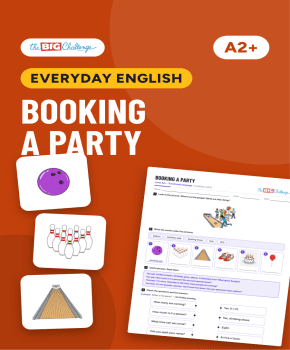
Listen, then answer. Listen to a conversation (booking a party), then answer the questions. Can you catch the details?
1:22 14
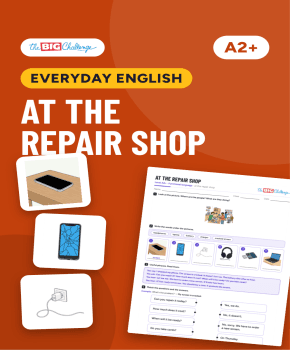
Listen, then answer. Listen to a conversation (at the repair shop), then answer the questions. Can you catch the details?
1:32 15
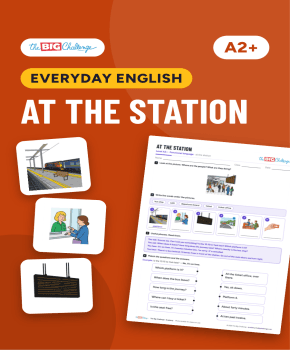
Listen, then answer. Listen to a conversation (at the station), then answer the questions. Can you catch the details?
1:26 16
Listen, then answer. Listen to a conversation (taking something back), then answer the questions. Can you catch the details?
1:27 17
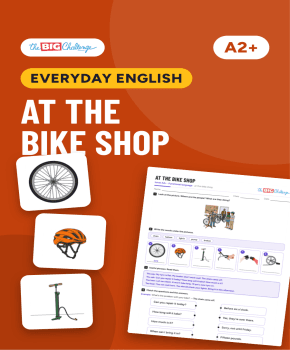
Listen, then answer. Listen to a conversation (at the bike shop), then answer the questions. Can you catch the details?
1:16 18
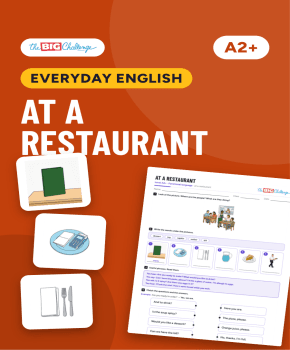
Listen, then answer. Listen to a conversation (at a restaurant), then answer the questions. Can you catch the details?
1:22 19
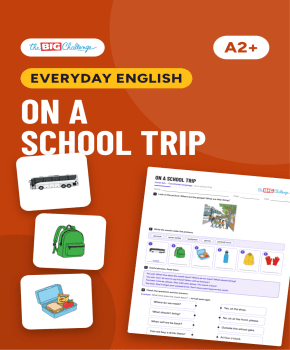
Listen, then answer. Listen to a conversation (a school trip), then answer the questions. Can you catch the details?
1:22 20
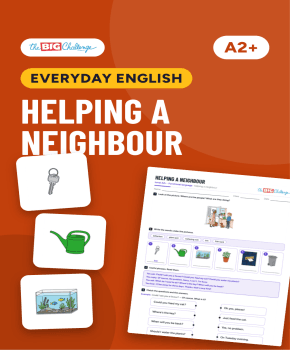
Listen, then answer. Listen to a conversation (a favour for a neighbour), then answer the questions. Can you catch the details?
1:26
Guía pedagógica
Objetivo y contenido
Listen Up! es una serie de escucha con situaciones de la vida diaria: comprar billetes de tren, pedir en una cafetería, preguntar el camino, ir a la secretaría del colegio, llamar a una amiga, ir a la enfermería. Cada episodio es una conversación de alrededor de un minuto entre dos o tres personas, con personajes nuevos y un lugar nuevo cada vez, y cada uno tiene un pequeño problema que seguir y detalles que captar: horas, precios, números y nombres. Los episodios van del nivel A1+ al A2+, en inglés británico claro. Una imagen del lugar, sin personas y sin texto, aparece al principio y luego se difumina, para que los alumnos escuchen en lugar de mirar.
Guía didáctica
La serie está pensada para el trabajo autónomo, en un dispositivo con auriculares, escuchando tantas veces como haga falta. Los alumnos escuchan primero para captar la idea general, luego los detalles, y después responden preguntas en tres grupos: comprensión (la situación y luego los detalles), vocabulario y expresiones útiles. Las conversaciones sirven de modelo del inglés cortés y práctico de la vida diaria (Can I pay by card? Can you spell that, please? Is there another time?). No hay guion ni subtítulos en pantalla, y la aplicación no da traducciones: el alumno que necesita una palabra usa un diccionario. La página de cada episodio tiene sus propias notas para el docente, el guion y una actividad opcional en clase. Para la clase, cada episodio tiene además su ficha de situación imprimible de dos páginas (palabras y frases útiles, un diálogo para completar, el episodio con un código QR, un juego de rol): busque el nombre del episodio en los recursos didácticos.
Desarrollo sugerido
- Los alumnos abren el episodio solos, con auriculares, y lo escuchan una vez entero.
- Responden a las preguntas de comprensión, volviendo a escuchar la conversación tantas veces como necesiten.
- Terminan con el vocabulario y las expresiones útiles.
- De vuelta en clase (opcional, unos 10 minutos): preguntar cuál era el problema y cómo se resolvió.
- En parejas o en grupos de tres, los alumnos representan la misma situación con sus propios detalles (otra hora, otro precio, otro nombre).
Adaptaciones posibles
- Niveles más bajos: proponga una escucha fragmentada y apoyos visuales complementarios.
- Niveles avanzados: anime a hacer un resumen oral y un debate en inglés sobre el tema.
- Grupos grandes: organice un trabajo por equipos con roles diferenciados.
🔒 Contenido restringido
Este recurso requiere una suscripción para poder consultarse.
Desbloquear el recursoIncluido en la suscripciónCriterios pedagógicos
Temas de debate sobre la serie
Después de la escucha, una presentación para proyectar hace hablar a toda la clase: una pregunta, las palabras para responder, un debate.