Listen Up!
Una risorsa didattica pensata per dare slancio alle sue lezioni di inglese.
La serie
Brevi conversazioni di vita quotidiana da ascoltare in autonomia: comprare dei biglietti, ordinare al bar, chiedere la strada, telefonare a un'amica. Ogni episodio dura circa un minuto, con due o tre persone, un piccolo problema da seguire e dettagli da cogliere: orari, prezzi, numeri e nomi. Voci britanniche chiare, personaggi nuovi e un luogo nuovo ogni volta.
Gli episodi (30)
 1
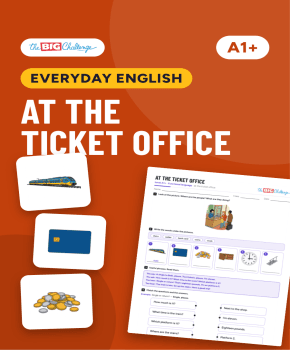
Listen, then answer. Listen to a conversation (at the ticket office), then answer the questions. Can you catch the details?
1:09 2
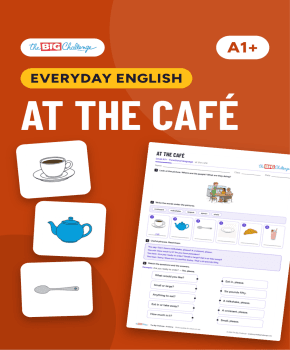
Listen, then answer. Listen to a conversation (at the café), then answer the questions. Can you catch the details?
1:02 3
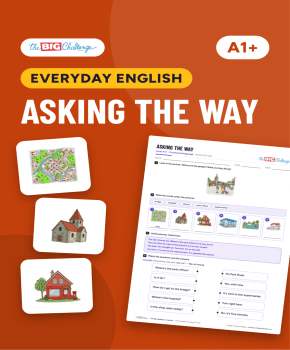
Listen, then answer. Listen to a conversation (asking the way), then answer the questions. Can you catch the details?
1:17 4
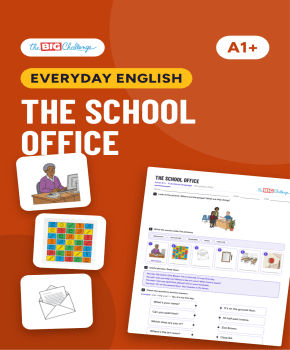
Listen, then answer. Listen to a conversation (the school office), then answer the questions. Can you catch the details?
1:15 5
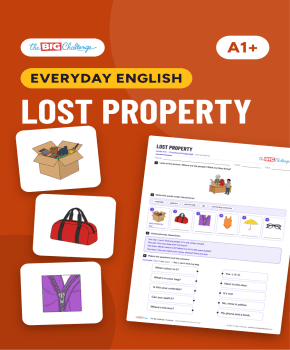
Listen, then answer. Listen to a conversation (lost property), then answer the questions. Can you catch the details?
1:00 6
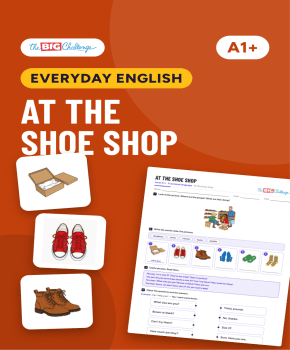
Listen, then answer. Listen to a conversation (at the shoe shop), then answer the questions. Can you catch the details?
1:15 7
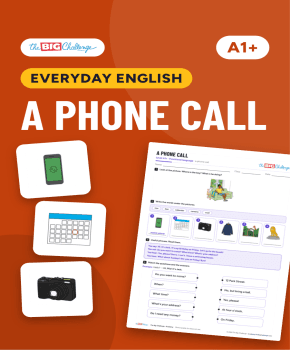
Listen, then answer. Listen to a conversation (a phone call), then answer the questions. Can you catch the details?
0:56 8
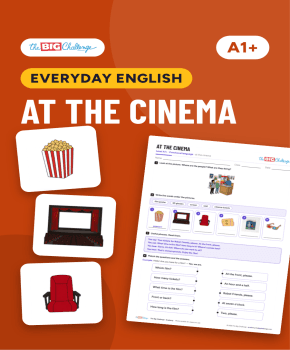
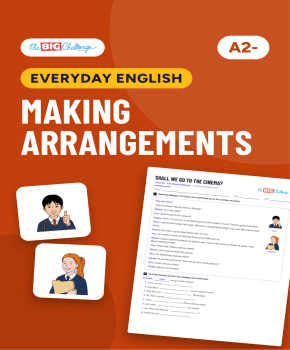
Listen, then answer. Listen to a conversation (at the cinema), then answer the questions. Can you catch the details?
1:00
Vedere gli altri 2 episodi
 9
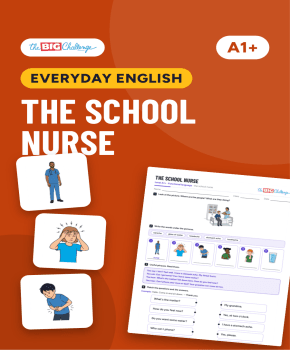
Listen, then answer. Listen to a conversation (the school nurse), then answer the questions. Can you catch the details?
1:28 10
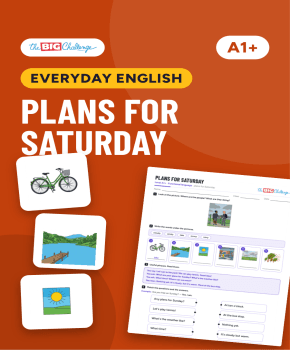
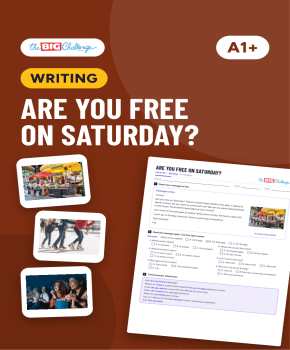
Listen, then answer. Listen to a conversation (plans for saturday), then answer the questions. Can you catch the details?
1:00
 1
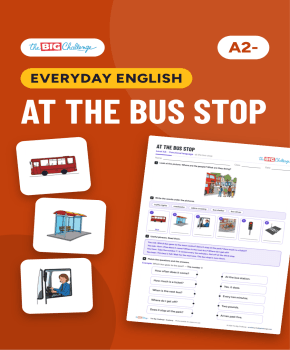
Listen, then answer. Listen to a conversation (at the bus stop), then answer the questions. Can you catch the details?
1:12 2
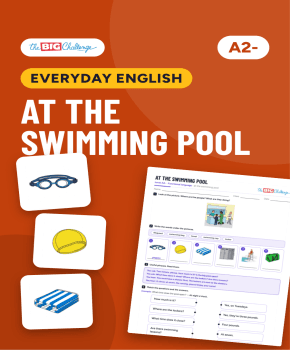
Listen, then answer. Listen to a conversation (at the swimming pool), then answer the questions. Can you catch the details?
1:25 3
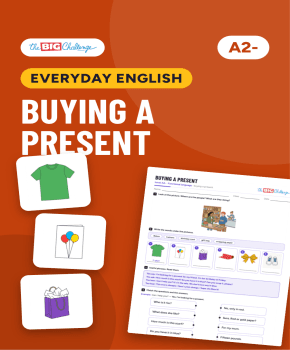
Listen, then answer. Listen to a conversation (buying a present), then answer the questions. Can you catch the details?
1:10 4
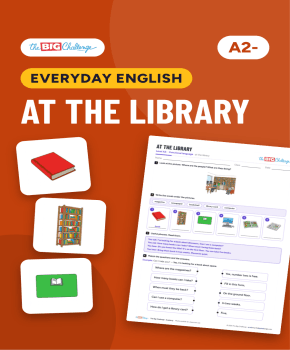
Listen, then answer. Listen to a conversation (at the library), then answer the questions. Can you catch the details?
1:26 5
Listen, then answer. Listen to a conversation (at the market), then answer the questions. Can you catch the details?
1:11 6
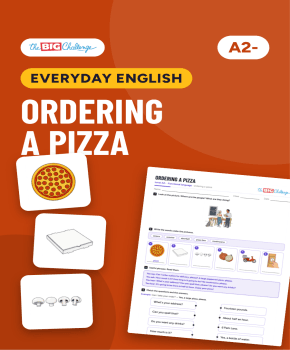
Listen, then answer. Listen to a conversation (ordering a pizza), then answer the questions. Can you catch the details?
1:22 7
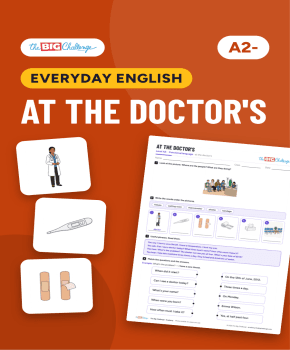
Listen, then answer. Listen to a conversation (at the doctor's), then answer the questions. Can you catch the details?
1:25 8
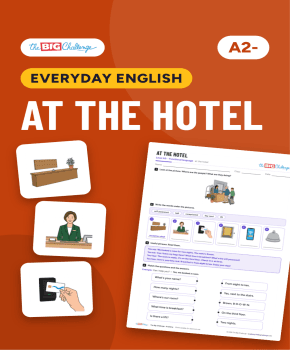
Listen, then answer. Listen to a conversation (at the hotel), then answer the questions. Can you catch the details?
1:21
Vedere gli altri 12 episodi
 9
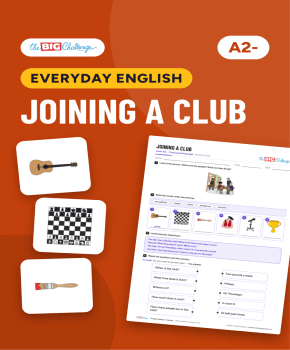
Listen, then answer. Listen to a conversation (joining a club), then answer the questions. Can you catch the details?
1:11 10
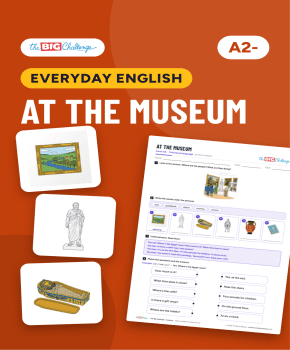
Listen, then answer. Listen to a conversation (at the museum), then answer the questions. Can you catch the details?
1:27 11
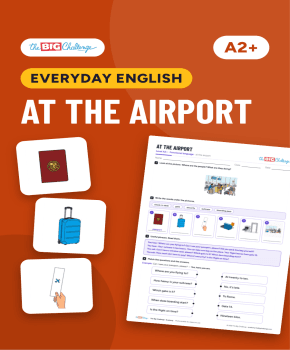
Listen, then answer. Listen to a conversation (at the airport), then answer the questions. Can you catch the details?
1:43 12
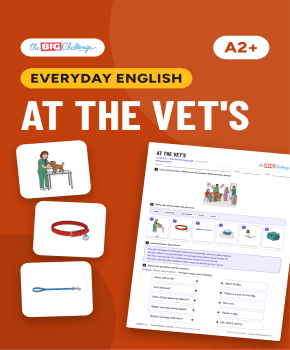
Listen, then answer. Listen to a conversation (at the vet's), then answer the questions. Can you catch the details?
1:33 13
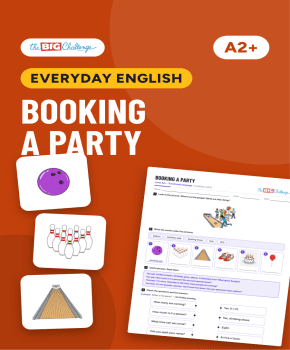
Listen, then answer. Listen to a conversation (booking a party), then answer the questions. Can you catch the details?
1:22 14
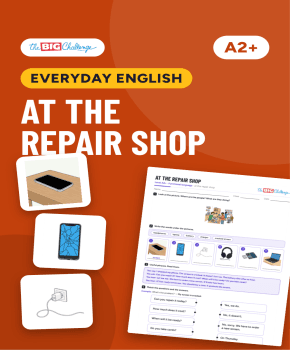
Listen, then answer. Listen to a conversation (at the repair shop), then answer the questions. Can you catch the details?
1:32 15
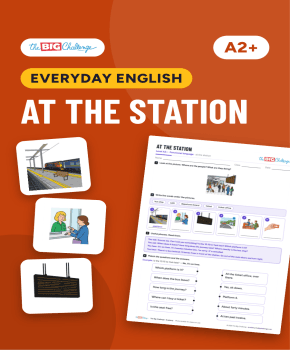
Listen, then answer. Listen to a conversation (at the station), then answer the questions. Can you catch the details?
1:26 16
Listen, then answer. Listen to a conversation (taking something back), then answer the questions. Can you catch the details?
1:27 17
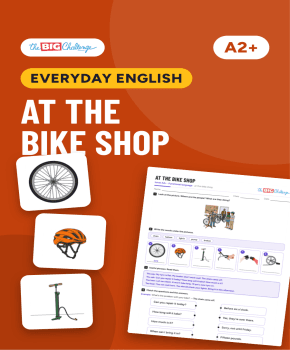
Listen, then answer. Listen to a conversation (at the bike shop), then answer the questions. Can you catch the details?
1:16 18
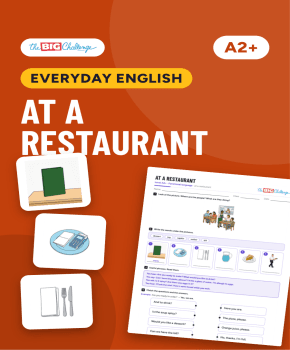
Listen, then answer. Listen to a conversation (at a restaurant), then answer the questions. Can you catch the details?
1:22 19
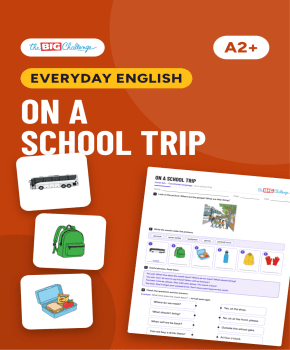
Listen, then answer. Listen to a conversation (a school trip), then answer the questions. Can you catch the details?
1:22 20
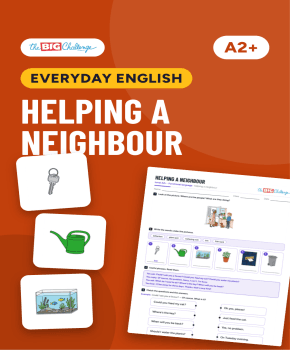
Listen, then answer. Listen to a conversation (a favour for a neighbour), then answer the questions. Can you catch the details?
1:26
Guida didattica
Obiettivo e contenuti
Listen Up! è una serie di ascolto con situazioni di vita quotidiana: comprare biglietti del treno, ordinare al bar, chiedere la strada, andare in segreteria a scuola, telefonare a un'amica, andare dall'infermiera della scuola. Ogni episodio è una conversazione di circa un minuto tra due o tre persone, con personaggi nuovi e un luogo nuovo ogni volta, e ognuno ha un piccolo problema da seguire e dettagli da cogliere: orari, prezzi, numeri e nomi. Gli episodi vanno dal livello A1+ all'A2+, in inglese britannico chiaro. Un'immagine del luogo, senza persone e senza scritte, compare all'inizio e poi sfuma, perché gli alunni ascoltino invece di guardare.
Guida didattica
La serie è pensata per il lavoro in autonomia, su un dispositivo con le cuffie, riascoltando tutte le volte che serve. Gli alunni ascoltano prima per il senso generale, poi per i dettagli, quindi rispondono a domande in tre gruppi: comprensione (la situazione, poi i dettagli), lessico ed espressioni utili. Le conversazioni offrono il modello dell'inglese cortese e pratico della vita quotidiana (Can I pay by card? Can you spell that, please? Is there another time?). Non ci sono copione né sottotitoli sullo schermo, e l'app non fornisce traduzioni: chi ha bisogno di una parola usa un dizionario. La pagina di ogni episodio ha le sue note per l'insegnante, il copione e una ripresa facoltativa in classe. Per la classe, ogni episodio ha anche la sua scheda di situazione stampabile di due pagine (parole e frasi utili, un dialogo da completare, l'episodio tramite un codice QR, un gioco di ruolo): cercate il nome dell'episodio tra le risorse didattiche.
Svolgimento suggerito
- Gli alunni aprono l'episodio da soli, con le cuffie, e lo ascoltano una volta per intero.
- Rispondono alle domande di comprensione, riascoltando la conversazione tutte le volte che serve.
- Finiscono con il lessico e le espressioni utili.
- Di nuovo in classe (facoltativo, circa 10 minuti): chiedere qual era il problema e come è stato risolto.
- A coppie o a gruppi di tre, gli alunni recitano la stessa situazione con dettagli propri (un altro orario, un altro prezzo, un altro nome).
Adattamenti possibili
- Livelli più fragili: proponga un ascolto a tratti e supporti visivi complementari.
- Livelli avanzati: incoraggi un riassunto orale e un dibattito in inglese sul tema.
- Classi numerose: organizzi un lavoro a isole con ruoli differenziati.
🔒 Contenuto riservato
Questa risorsa richiede un abbonamento per essere consultata.
Sbloccare la risorsaIncluso nell'abbonamentoCriteri didattici
Temi di discussione sulla serie
Dopo l'ascolto, una presentazione da proiettare fa parlare tutta la classe: una domanda, le parole per rispondere, un dibattito.