The space race: Animals in space
Episode of the series Look Closer
- Illustrated slideshow (50 images)
- Glossary (12 words)
- Comprehension quiz (10 questions)
- 9 cultural notes
 Extract · 30 s
The episode
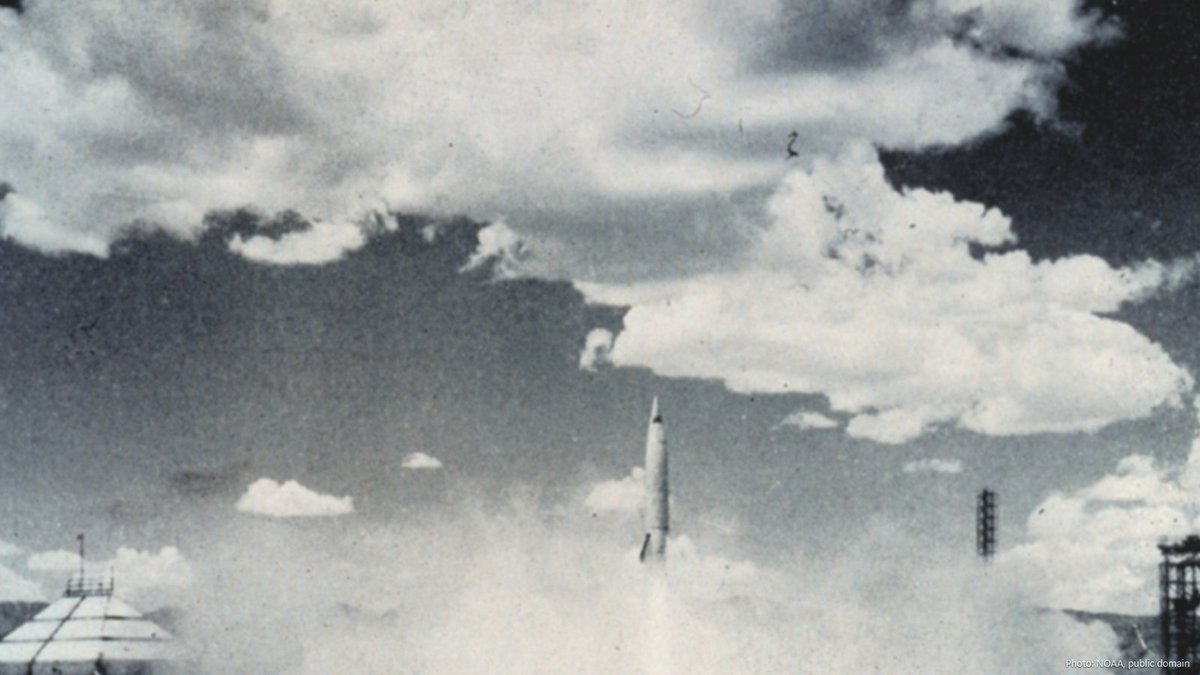
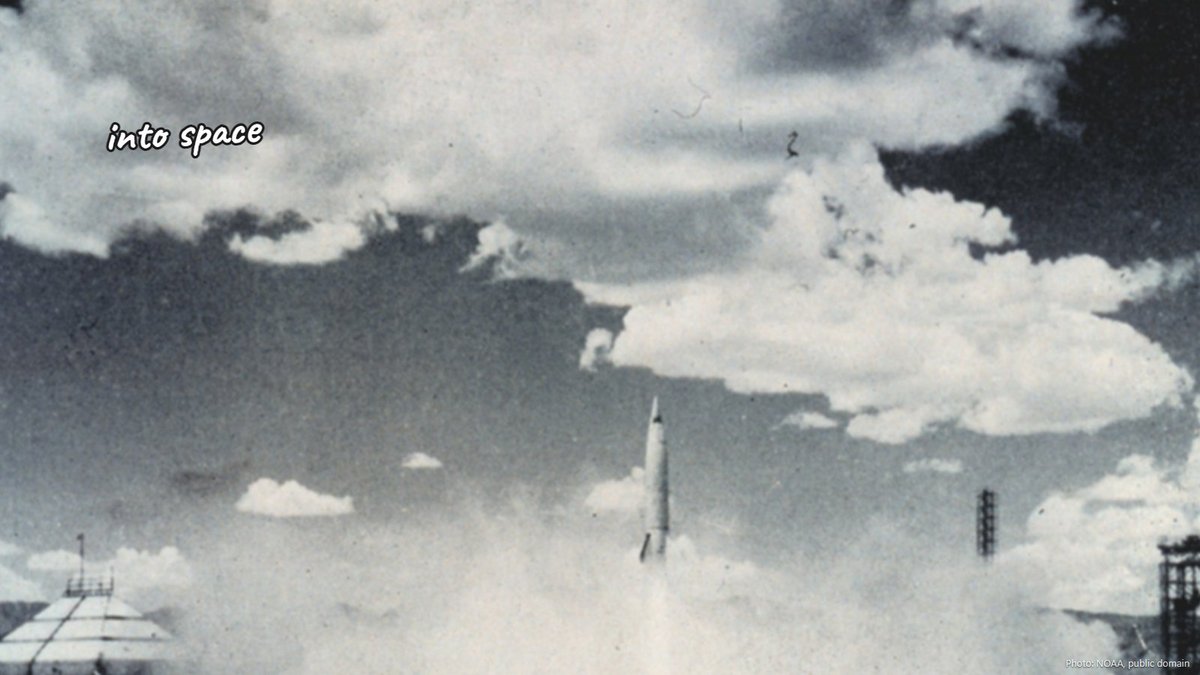
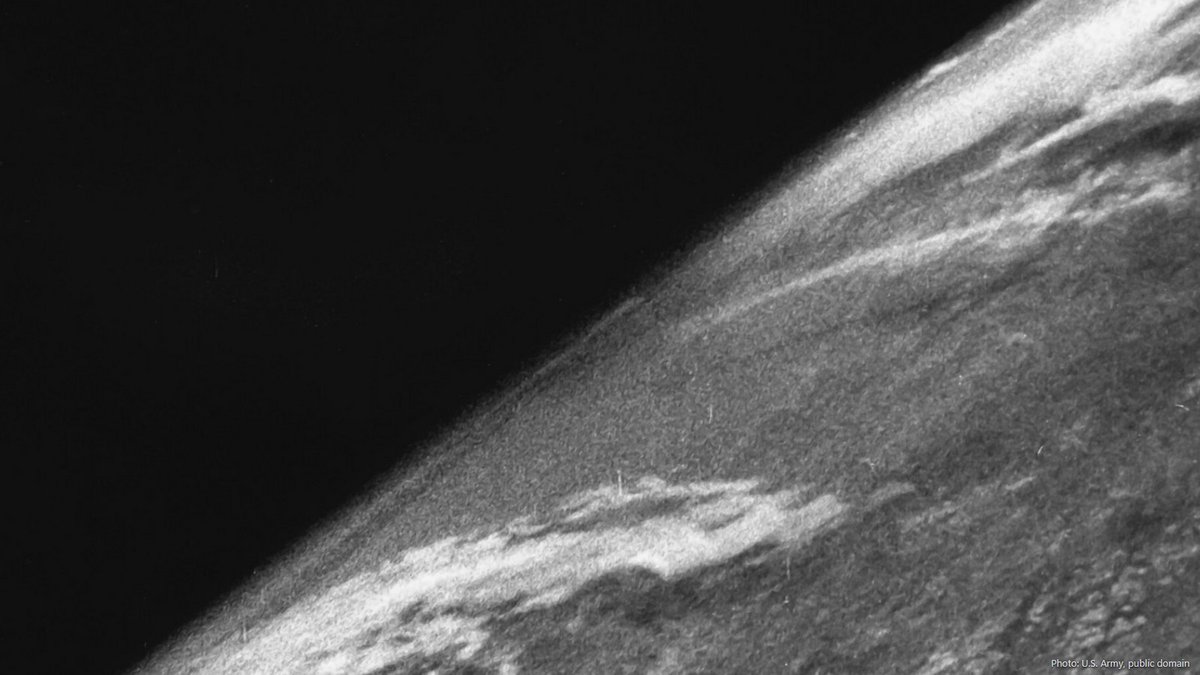
Before people went into space, fruit flies, mice, monkeys and dogs went first, and in 1961 the chimpanzee Ham showed that a living creature could think and work in space.
Episode worksheets (2)
- Student sheet In your teacher account
- Teacher sheet In your teacher account
Teaching guide
Objective & content
This Look Closer episode (The space race mini-series, episode 163) is a short documentary about the animals that travelled into space before people. Scientists first wanted to know if a living creature could survive up there, so in 1947 American scientists sent fruit flies in a rocket more than one hundred kilometres high, and the flies came back alive. Later, the United States and the Soviet Union sent mice, monkeys and dogs; some came back safely, but others died, because rockets and capsules were still very dangerous. The episode then looks closer at a photo of Ham, a chimpanzee who flew in a small space capsule on 31 January 1961. In his training, he learned to pull a lever when a blue light came on, with a piece of banana as a reward, and in space he did the same, which showed that a living creature could think and work there. His flight lasted about sixteen minutes, and a ship picked him up from the sea. Less than four months later, Alan Shepard became the first American in space. Ham lived for many more years in a zoo and is buried at a space museum in New Mexico. The narration is in the past simple, with could for past ability and one past perfect (just as he had done on Earth); no grammar point is taught. It is a listening comprehension episode: learners listen, then answer the 10 questions in the app: 7 on facts and 3 on vocabulary (reward, living creature, survive). The episode ends with an opinion question: Do you think it was right to send animals into space? Why, or why not?
Materials & prerequisites
The folder holds the audio, the slideshow and the script; there is no lesson plan. The pupil pack and the teacher pack (answers highlighted) are one A4 page each, with the text, three pictures (a fruit fly, Ham in his capsule couch in 1961, a drawing of Ham at his training lever), the key words and the 10 questions; a pupil sheet and a teacher sheet with the answer key come with them. Learners should know the past simple of common verbs and be able to read dates and large numbers. The script explains its new words as it goes (reward, living creature, survive), and the pictures show the lever and the capsule.
Curriculum alignment
Tagged c4-school-and-society ("École et société") and c4-encountering-others ("Rencontre avec l'autre"), Cycle 4 (3e). The episode targets CEFR level B1-.
Possible adaptations
- Lower levels: Offer segmented listening and additional visual aids.
- Advanced levels: Encourage an oral summary and a debate in English on the theme.
- Large groups: Organise group work with differentiated roles.
🔒 Restricted content
This resource requires a subscription to be viewed.
Unlock the resourceIncluded in the subscriptionTags
- Present simple
- Past simple: regular verbs
- Past simple: irregular verbs
- Past simple: was / were
- Past perfect
- Passive voice basics
- Modals in the past
- Space exploration
- Wild animals
- Historical dates
- Debate & opinion
- School and society
- Encountering others
- Listening comprehension
- Vocabulary building
- Cultural awareness
- Giving opinions