The space race: Katherine Johnson
Episode of the series Look Closer
- Illustrated slideshow (50 images)
- Glossary (15 words)
- Comprehension quiz (10 questions)
- 9 cultural notes
 Extract · 30 s
The episode
Before his flight round the Earth in 1962, the astronaut John Glenn asked Katherine Johnson, a NASA mathematician, to check the computer's numbers by hand.
Episode worksheets (2)
- Student sheet In your teacher account
- Teacher sheet In your teacher account
Teaching guide
Objective & content
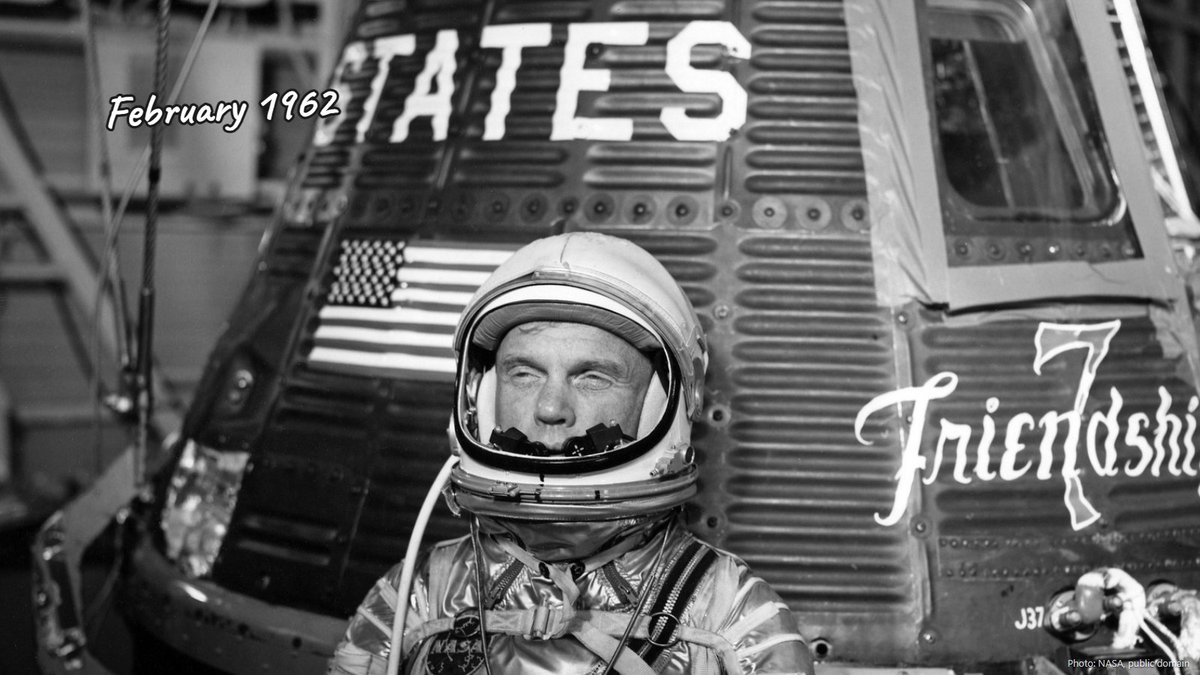
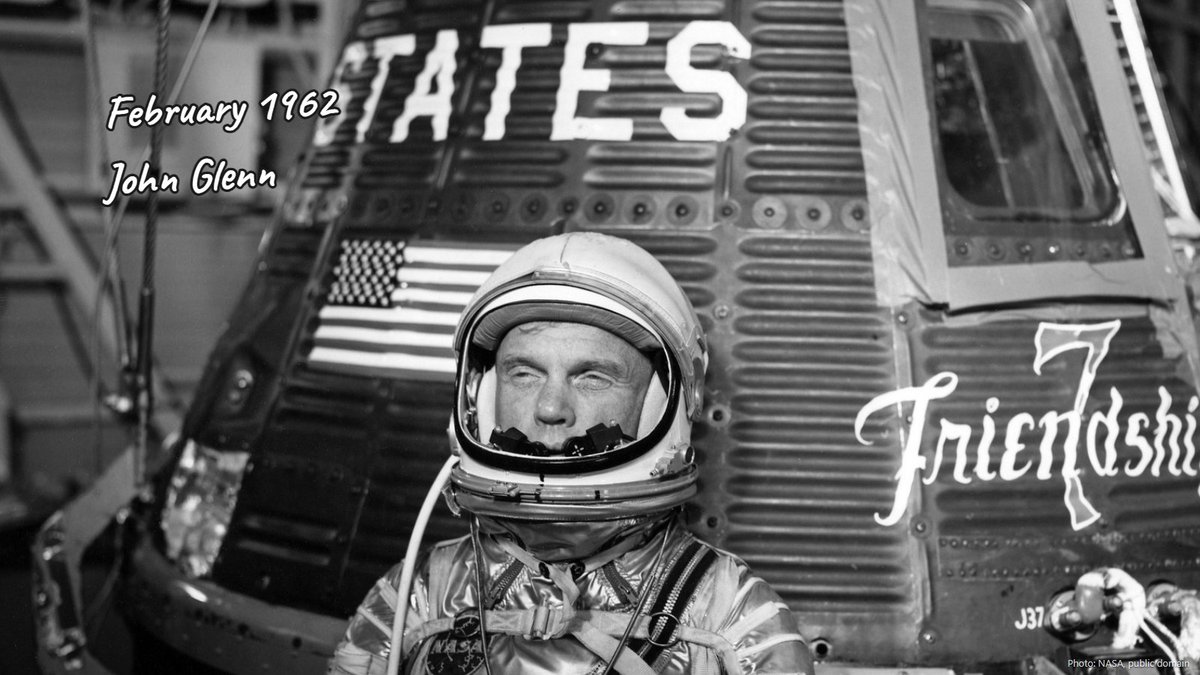
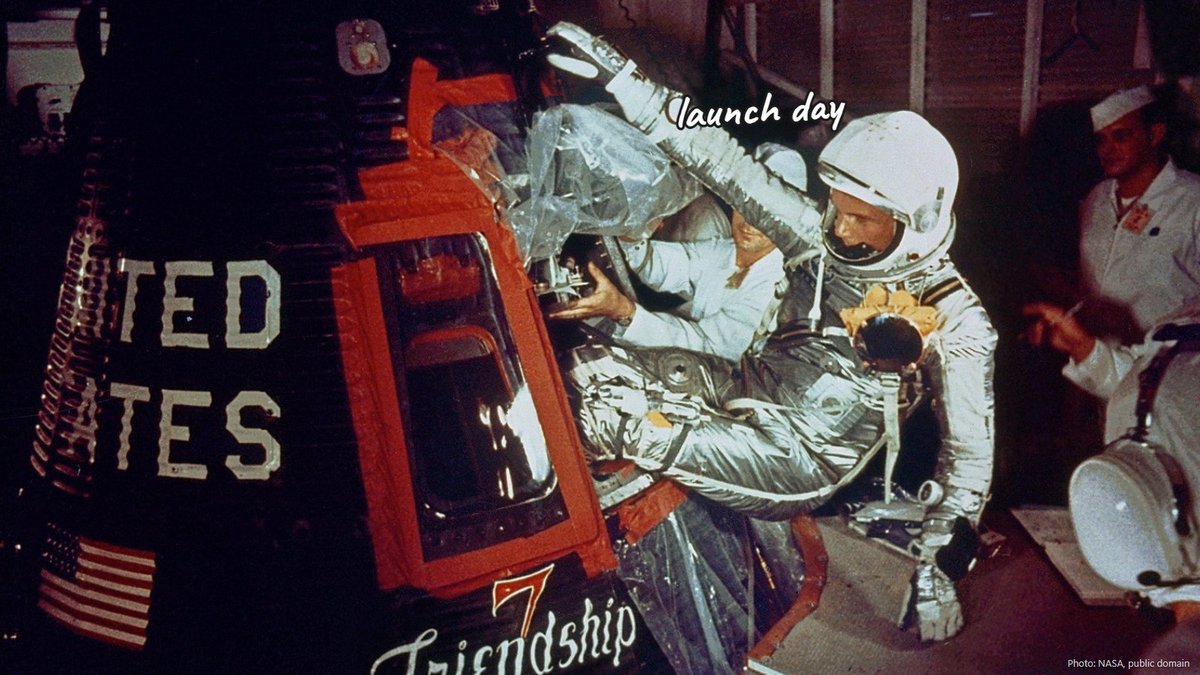
This Look Closer episode (The space race mini-series, episode 161) is a short documentary about Katherine Johnson. In February 1962, before he took off, the astronaut John Glenn asked for "the girl" to check the numbers: she was Katherine Johnson, a NASA mathematician in her forties. At that time, NASA used new electronic computers to calculate the path of a spacecraft, but many people did not trust them yet, so NASA also had human computers, often women, who did the calculations by hand. Katherine Johnson was one of them; she was a Black woman, and when she started, Black and white employees at her research centre worked in separate groups. She checked the calculations by hand, her numbers matched the computer's, and on 20 February 1962 Glenn became the first American to orbit the Earth. She worked at NASA for thirty-three years, also calculated the path to the Moon, and received the Presidential Medal of Freedom in 2015. The episode ends by looking closer at a photo of her desk: a pencil, paper and a calculating machine. The narration is in the past simple, with relative clauses (people, often women, who did the calculations by hand); no grammar point is taught. It is a listening comprehension episode: learners listen, then answer the 10 questions in the app: 7 on facts and 3 on vocabulary (human computer, to orbit, the Presidential Medal of Freedom).
Materials & prerequisites
The folder holds the audio, the slideshow and the script; there is no lesson plan. The pupil pack and the teacher pack (answers highlighted) are one A4 page each, with the text, three photos (John Glenn in front of his capsule, the launch of his rocket, Katherine Johnson at her desk in 1966), the key words and the 10 questions; a pupil sheet and a teacher sheet with the answer key come with them. The text ends with an open question (Would you trust a person or a computer to check your numbers? Why?). Learners should know the past simple of common verbs and be able to read dates and numbers. The script explains its new words as it goes (human computer, to orbit).
Curriculum alignment
Tagged c4-school-and-society ("École et société") and c4-encountering-others ("Rencontre avec l'autre"), Cycle 4 (3e). The episode targets CEFR level B1-.
Possible adaptations
- Lower levels: Offer segmented listening and additional visual aids.
- Advanced levels: Encourage an oral summary and a debate in English on the theme.
- Large groups: Organise group work with differentiated roles.
🔒 Restricted content
This resource requires a subscription to be viewed.
Unlock the resourceIncluded in the subscriptionTags
- Past simple: regular verbs
- Past simple: irregular verbs
- Past simple: was / were
- Relative clauses
- Present simple
- Space exploration
- Large numbers
- Historical dates
- Famous people
- Business & work
- Civil rights
- Gender equality
- Famous explorers
- School and society
- Encountering others
- Listening comprehension
- Vocabulary building
- Cultural awareness