India: Pepper
Episode of the series Look Closer
- Illustrated slideshow (56 images)
- Glossary (16 words)
- Comprehension quiz (10 questions)
- 9 cultural notes
 Extract · 30 s
The episode
Five hundred years ago, pepper from Kerala, India, was so precious that people called it black gold, so in 1497 Vasco da Gama sailed round Africa to buy it directly.
Episode worksheets (2)
- Student sheet In your teacher account
- Teacher sheet In your teacher account
Teaching guide
Objective & content
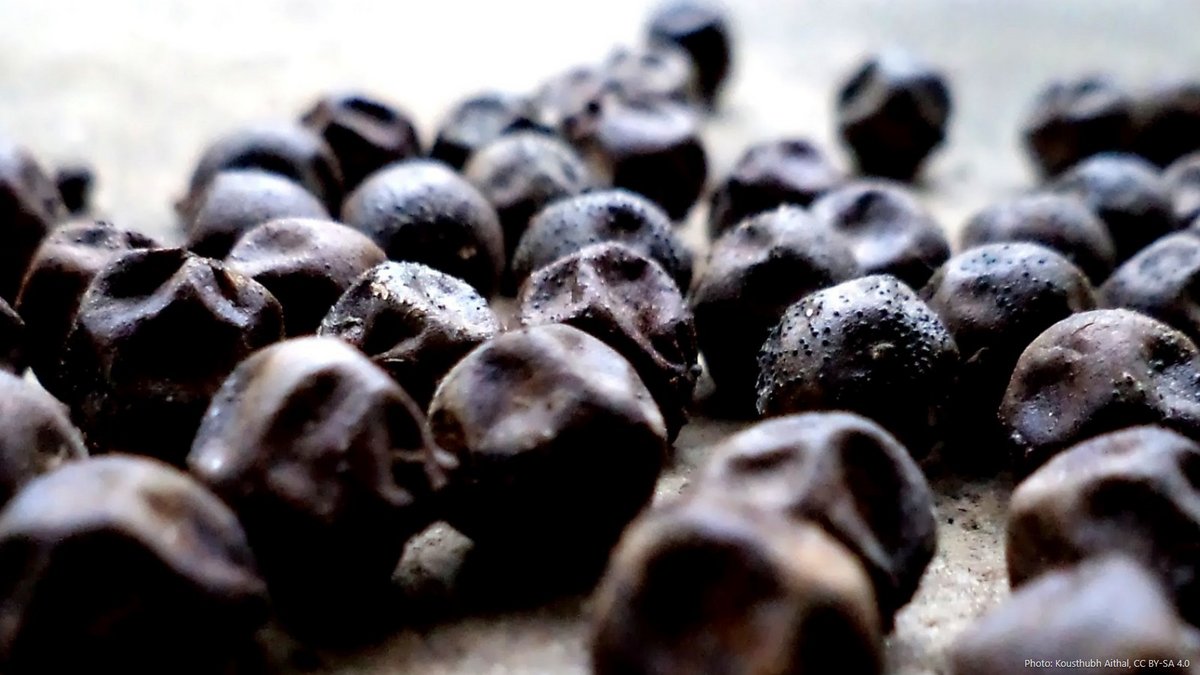
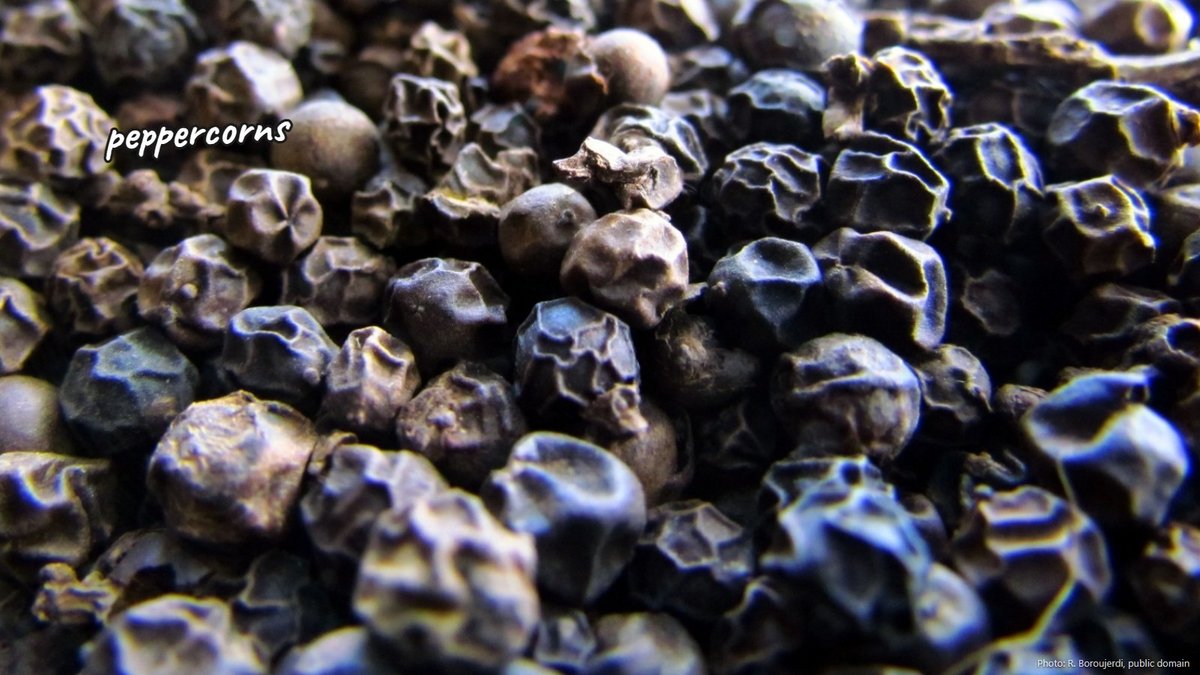
This Look Closer episode (India: a feast of food mini-series, episode 192) is a short documentary about pepper. It opens on a close look at small black balls: peppercorns, which pupils probably have on their table at home. Five hundred years ago, pepper was so precious that people called it black gold. The episode shows where it comes from: a climbing plant in Kerala, on the south-west coast of India, with small green berries that turn black and hard when they are dried in the sun. It then follows the spice route: for centuries, traders carried pepper across the sea to Arabia and Egypt, and from there to Europe; the Romans were already buying it two thousand years ago, and every trader on the way added to the price. To buy it directly from India, the Portuguese explorer Vasco da Gama left Lisbon in 1497 with four ships, sailed all the way round Africa and reached Calicut, a busy port in Kerala, in May 1498. Many of his sailors died of illness on the way home, but the pepper and spices he brought back were worth far more than the trip. More European ships followed, European countries fought each other to control the spice trade, and later Britain came to rule most of India, until 1947. Today, pepper still grows in Kerala and is sold all over the world.
The narration is mostly in the past simple, with a past continuous (The Romans were already buying it), passives in the present (When they are dried in the sun, it is sold in markets), a relative clause (the pepper and spices that he brought back) and so... that (so precious that people called it black gold); no grammar point is taught. It is a listening comprehension episode: learners listen, then answer the 10 questions in the app: 8 on facts and 2 on vocabulary (peppercorns, black gold).
Materials & prerequisites
The folder holds the audio, the slideshow and the script; there is no lesson plan. The pupil pack and the teacher pack (answers highlighted) are one A4 page each, with the text, three pictures (a pepper vine climbing a tree in Kerala, a painting of Vasco da Gama's ships leaving Lisbon in 1497, farmers picking pepper on a farm in Kerala today), the key words and the 10 questions; a pupil sheet and a teacher sheet with the answer key come with them. The text ends with an open question (Why do you think pepper was so expensive in Europe?), which pupils can answer from the video. Learners should know the past simple of common verbs and be able to read dates and follow a route on a map. The script explains peppercorns and black gold as it goes; trader, explorer and voyage are not explained in the narration, so pupils may need them before watching.
Curriculum alignment
Tagged c4-travel-and-migration ("Voyages et migrations") and c4-encountering-others ("Rencontre avec l'autre"), Cycle 4 (3e). The episode targets CEFR level B1-.
Possible adaptations
- Lower levels: Offer segmented listening and additional visual aids.
- Advanced levels: Encourage an oral summary and a debate in English on the theme.
- Large groups: Organise group work with differentiated roles.
🔒 Restricted content
This resource requires a subscription to be viewed.
Unlock the resourceIncluded in the subscriptionTags
- Present simple
- Past simple: regular verbs
- Past simple: irregular verbs
- Past simple: was / were
- Past continuous
- Passive voice basics
- Relative clauses
- Food & drinks
- Business & work
- Famous people
- Historical dates
- Commonwealth history
- India
- Famous explorers
- Travel and migration
- Encountering others
- Listening comprehension
- Vocabulary building
- Cultural awareness