The space race: Apollo 13
Episode of the series Look Closer
- Illustrated slideshow (62 images)
- Glossary (18 words)
- Comprehension quiz (10 questions)
- 9 cultural notes
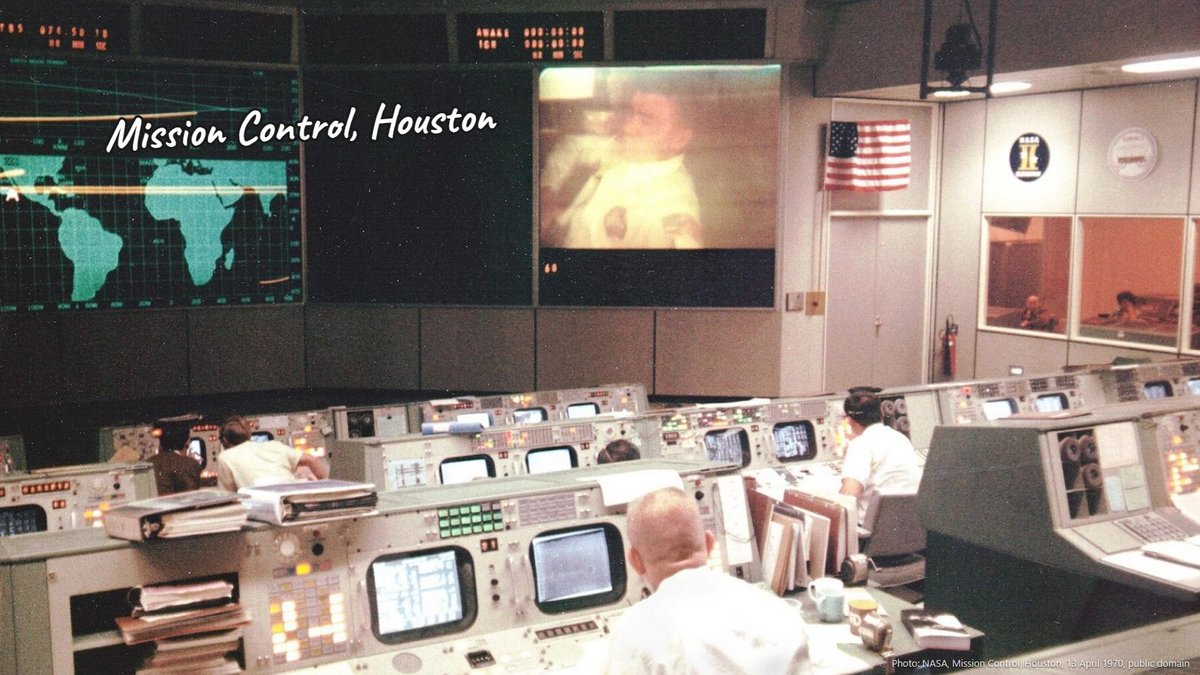
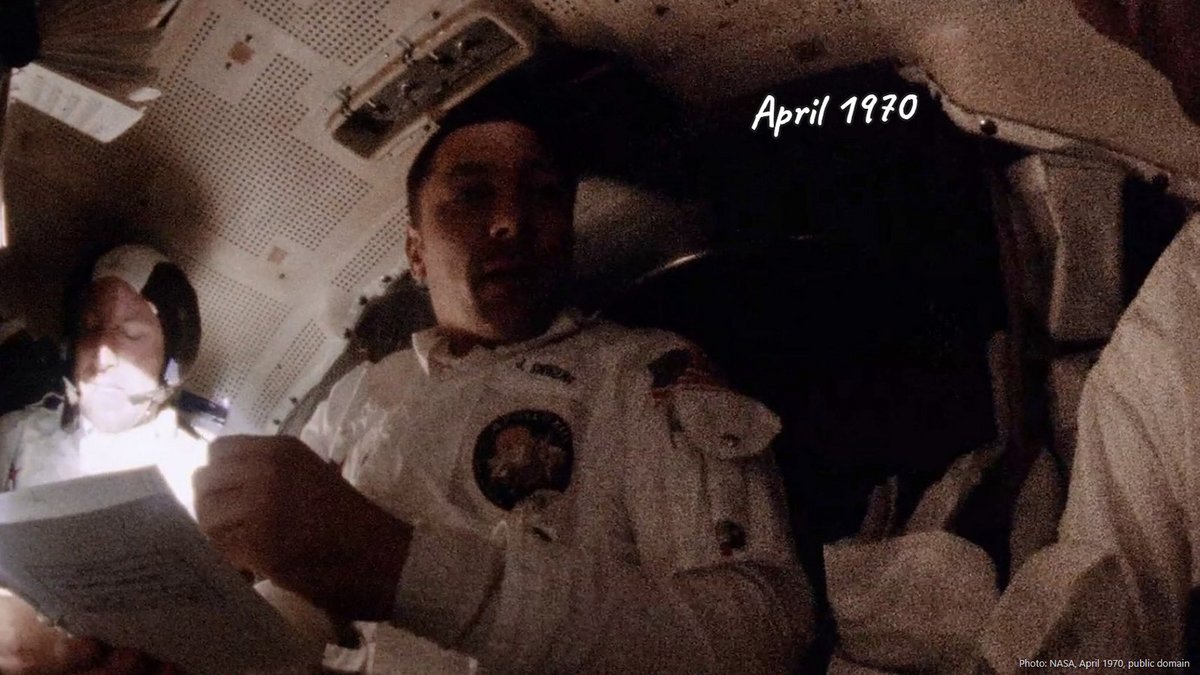
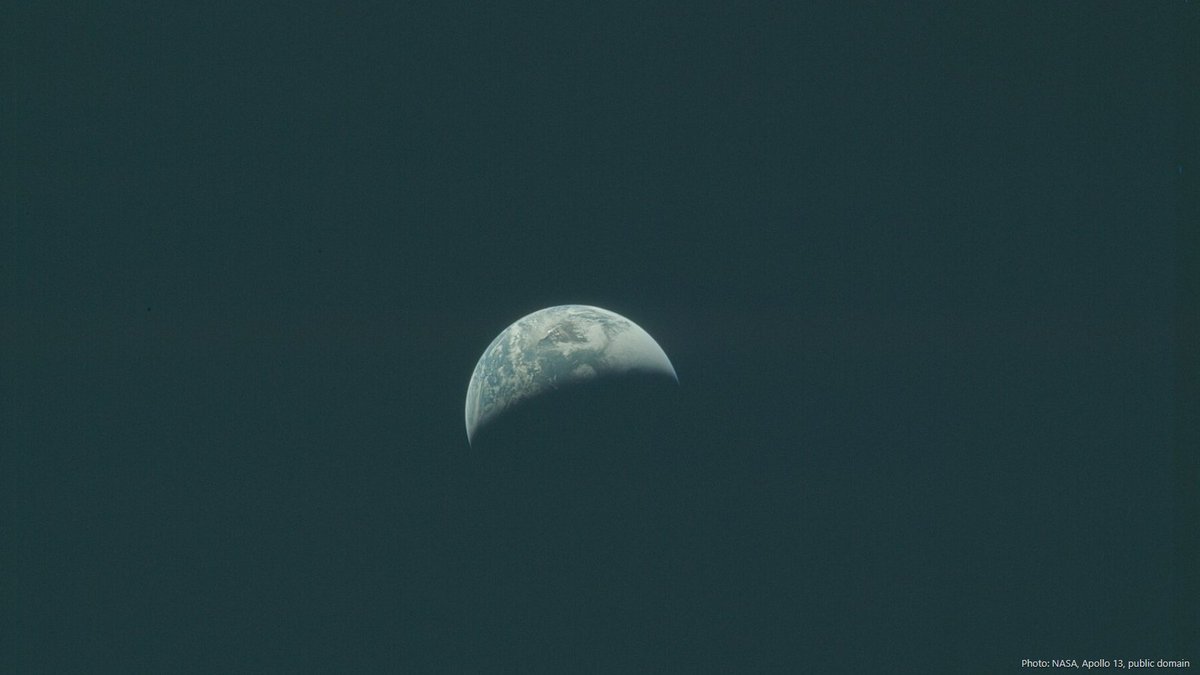 Extract · 30 s
The episode
In April 1970, an oxygen tank exploded on Apollo 13, and engineers found a way to fit square filters into round holes to bring the astronauts home.
Episode worksheets (2)
- Student sheet In your teacher account
- Teacher sheet In your teacher account
Teaching guide
Objective & content
This Look Closer episode (The space race mini-series, episode 164) is a short documentary about the Apollo 13 mission. In April 1970, on the way to the Moon with Jim Lovell, Jack Swigert and Fred Haise, an oxygen tank exploded, the spacecraft lost a lot of its oxygen and electricity, and the Moon landing was cancelled. The astronauts moved into the lunar module, which became their lifeboat, although it was made for two people for about two days. When carbon dioxide began to build up, the spare filters from the other part of the spacecraft were square and the holes were round. The episode looks closer at the object that solved the problem: engineers on the ground invented it from plastic bags, cardboard, hoses and tape, explained it on the radio step by step, and the astronauts built it. The three men landed safely in the Pacific Ocean on 17 April 1970, and Jim Lovell later called the mission a successful failure. The narration is in the past simple, with some passive forms (The Moon landing was cancelled, it was made for two people) and relative clauses; no grammar point is taught. It is a listening comprehension episode: learners listen, then answer the 10 questions in the app: 7 on facts and 3 on vocabulary (lunar module, carbon dioxide and filters).
Materials & prerequisites
The folder holds the audio, the slideshow and the script; there is no lesson plan. The pupil pack and the teacher pack (answers highlighted) are one A4 page each, with the text, three photos (the damaged service module, the filter adapter inside the lunar module, the spacecraft in the Pacific Ocean after landing), the key words and the 10 questions; a pupil sheet and a teacher sheet with the answer key come with them. The text ends with an open question (Was Apollo 13 a failure or a success?). Learners should know the past simple of common verbs and be able to read dates and large numbers. The script explains its new words as it goes (lunar module, carbon dioxide, filters).
Curriculum alignment
Tagged c4-school-and-society ("École et société") and c4-encountering-others ("Rencontre avec l'autre"), Cycle 4 (3e). The episode targets CEFR level B1-.
Possible adaptations
- Lower levels: Offer segmented listening and additional visual aids.
- Advanced levels: Encourage an oral summary and a debate in English on the theme.
- Large groups: Organise group work with differentiated roles.
🔒 Restricted content
This resource requires a subscription to be viewed.
Unlock the resourceIncluded in the subscriptionTags
- Past simple: regular verbs
- Past simple: irregular verbs
- Past simple: was / were
- Passive voice basics
- Relative clauses
- Present simple
- Space exploration
- Past inventions
- Historical dates
- Famous people
- Famous explorers
- School and society
- Encountering others
- Listening comprehension
- Vocabulary building
- Cultural awareness