Shakespeare's Globe: Words from Shakespeare
Episode of the series Look Closer
- Illustrated slideshow (24 images)
- Glossary (8 words)
- Comprehension quiz (10 questions)
- 6 cultural notes
 Extract · 30 s
The episode
More than a thousand English words, such as lonely, eyeball and swagger, are first found written down in Shakespeare's plays, though he did not always invent them.
Episode worksheets (2)
- Student sheet In your teacher account
- Teacher sheet In your teacher account
Teaching guide
Objective & content
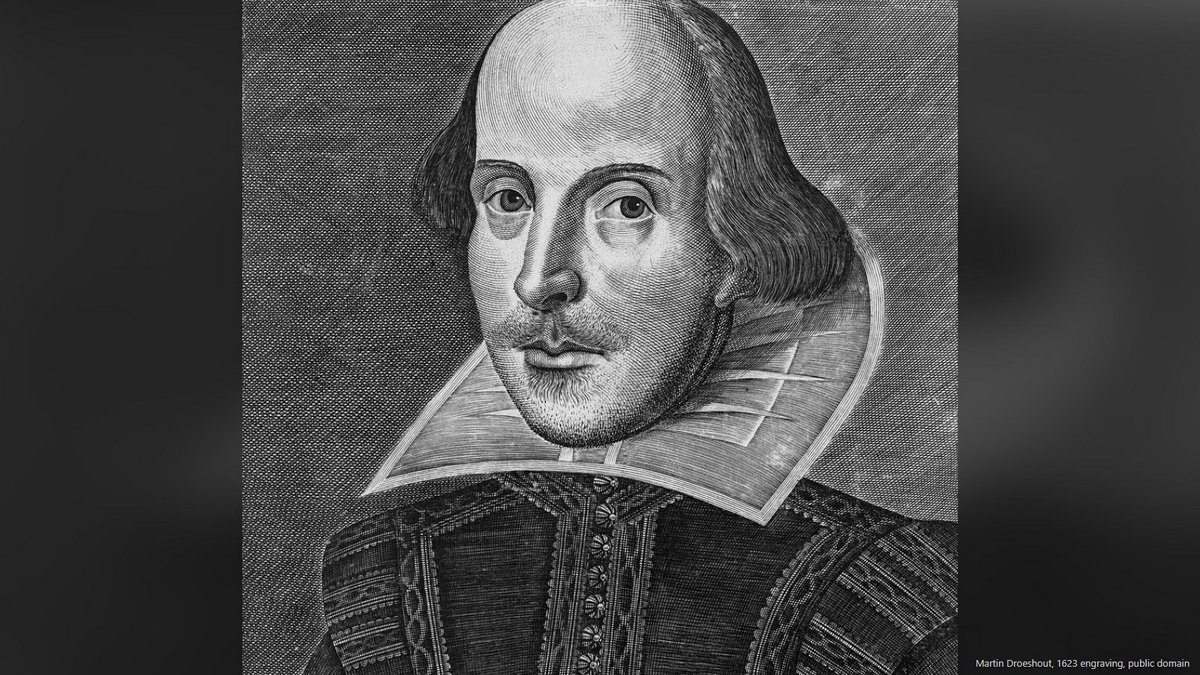
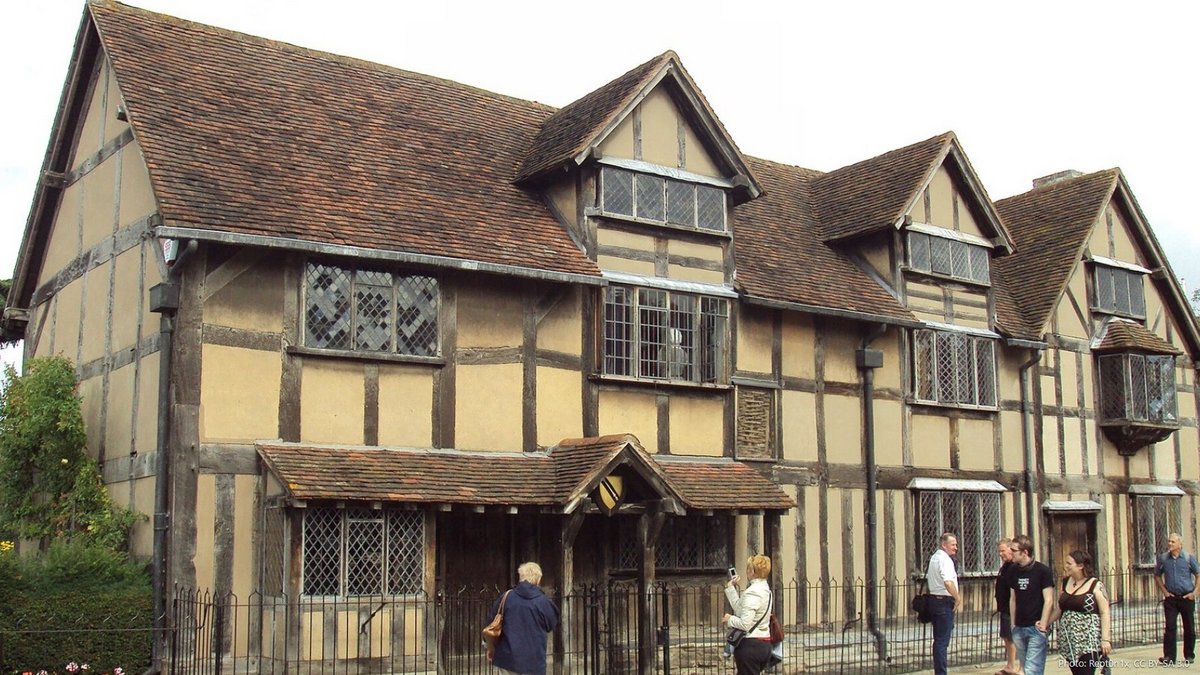
This Look Closer episode (Shakespeare's Globe mini-series, episode 240) is a short documentary about everyday English words that are first found written down in Shakespeare's plays. Born in Stratford-upon-Avon in 1564, Shakespeare moved to London, where he acted and wrote almost forty plays, many performed at the Globe. Experts at the Oxford English Dictionary say that for more than a thousand words his plays are the first place where we can find them written down: for example lonely (people already said alone), eyeball, the round part of the eye, and swagger, walking in a proud way. The episode explains that first written down does not always mean invented, because people may already have said some of these words in the street, and that Shakespeare also played with words, joining two words and using a noun as a verb. His plays were heard at the Globe, printed in books and taught in schools, so his words spread.
It is a listening comprehension episode: learners listen, then answer the 10 questions in the app, 8 on facts and 2 on vocabulary (eyeball, swagger). The closing question (Which of these words do you think you will use this week?) invites each pupil to choose a word.
Materials & prerequisites
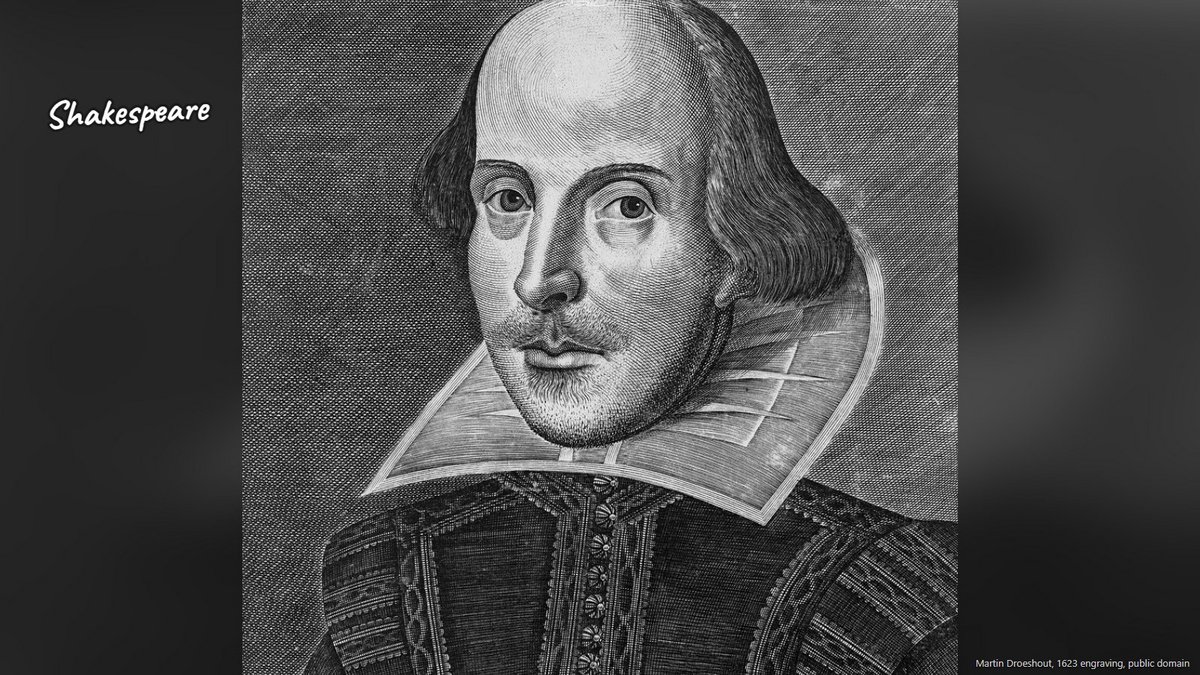
The folder holds the audio, the slideshow and the script; there is no lesson plan. The pupil pack and the teacher pack (answers highlighted) are one A4 page each, with the text, three photos (the 1623 portrait of Shakespeare, a page of the First Folio, a close-up of an eye), key words and the 10 questions; a one-page pupil sheet and a teacher sheet with the answer key are also included. Learners should know the present simple and the past simple. The script explains its new words as it goes (eyeball, swagger).
Curriculum alignment
Tagged c4-languages-and-communication ("Langages") and c4-encountering-others ("Rencontres avec d'autres cultures"), Cycle 4. The episode targets CEFR level B1-.
Possible adaptations
- Lower levels: Offer segmented listening and additional visual aids.
- Advanced levels: Encourage an oral summary and a debate in English on the theme.
- Large groups: Organise group work with differentiated roles.
🔒 Restricted content
This resource requires a subscription to be viewed.
Unlock the resourceIncluded in the subscriptionTags
- Past simple: regular verbs
- Past simple: irregular verbs
- Passive voice basics
- Present simple
- Body parts
- Feelings & emotions
- Famous people
- Historical dates
- Shakespeare
- Languages and communication
- Encountering others
- Listening comprehension
- Vocabulary building
- Cultural awareness
- Arts & media
- Exploring Britain
- Everyday Life
- Places & Journeys