Listen Up!
Une ressource pédagogique conçue pour dynamiser vos cours d'anglais.
À propos de la série
De courtes conversations du quotidien à écouter en autonomie : acheter des billets, commander dans un café, demander son chemin, appeler un ami. Chaque épisode dure environ une minute, avec deux ou trois personnes, un petit problème à suivre et des détails à saisir : heures, prix, nombres et noms. Des voix britanniques claires, de nouveaux personnages et un nouveau lieu à chaque fois.
Les épisodes (30)
 1
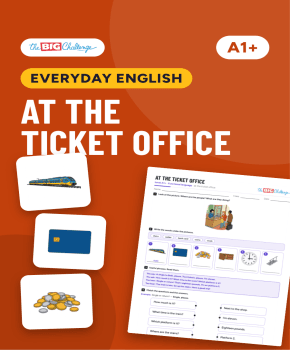
Listen, then answer. Listen to a conversation (at the ticket office), then answer the questions. Can you catch the details?
1:09 2
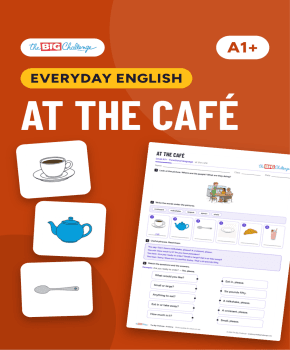
Listen, then answer. Listen to a conversation (at the café), then answer the questions. Can you catch the details?
1:02 3
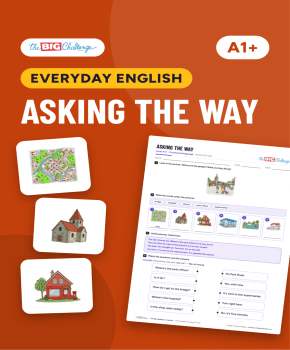
Listen, then answer. Listen to a conversation (asking the way), then answer the questions. Can you catch the details?
1:17 4
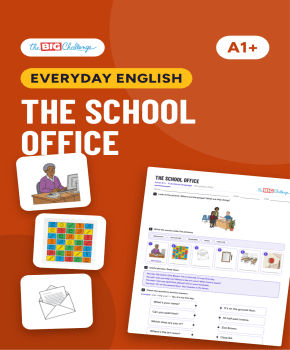
Listen, then answer. Listen to a conversation (the school office), then answer the questions. Can you catch the details?
1:15 5
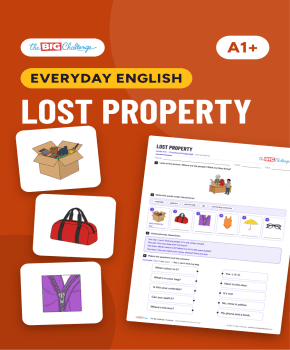
Listen, then answer. Listen to a conversation (lost property), then answer the questions. Can you catch the details?
1:00 6
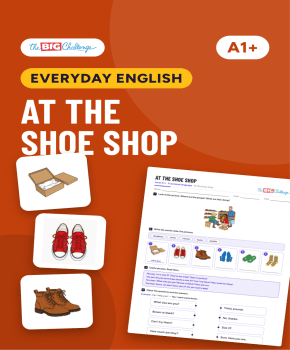
Listen, then answer. Listen to a conversation (at the shoe shop), then answer the questions. Can you catch the details?
1:15 7
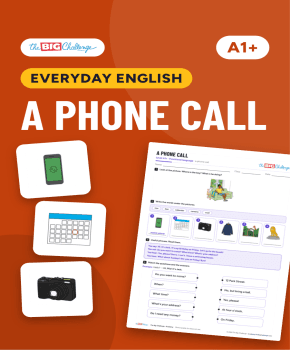
Listen, then answer. Listen to a conversation (a phone call), then answer the questions. Can you catch the details?
0:56 8
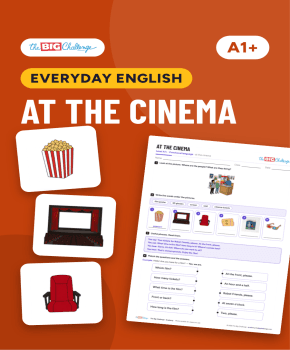
Listen, then answer. Listen to a conversation (at the cinema), then answer the questions. Can you catch the details?
1:00
Voir les 2 autres épisodes
 9
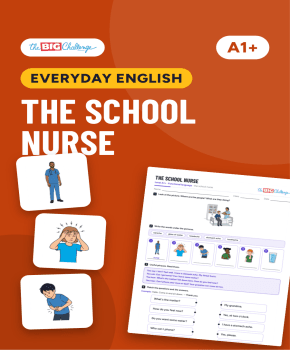
Listen, then answer. Listen to a conversation (the school nurse), then answer the questions. Can you catch the details?
1:28 10
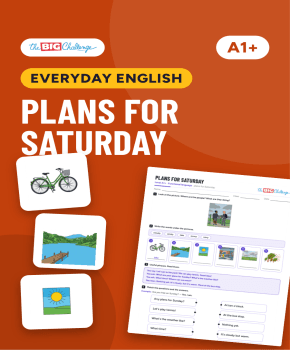
Listen, then answer. Listen to a conversation (plans for saturday), then answer the questions. Can you catch the details?
1:00
 1
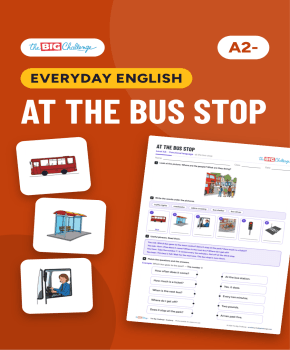
Listen, then answer. Listen to a conversation (at the bus stop), then answer the questions. Can you catch the details?
1:12 2
Listen, then answer. Listen to a conversation (at the swimming pool), then answer the questions. Can you catch the details?
1:25 3
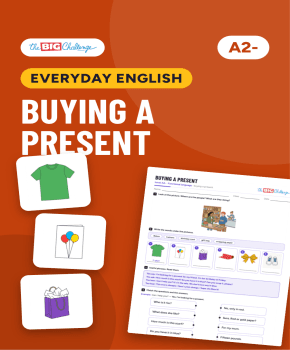
Listen, then answer. Listen to a conversation (buying a present), then answer the questions. Can you catch the details?
1:10 4
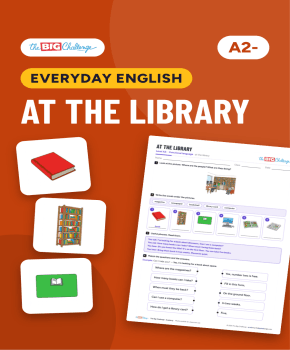
Listen, then answer. Listen to a conversation (at the library), then answer the questions. Can you catch the details?
1:26 5
Listen, then answer. Listen to a conversation (at the market), then answer the questions. Can you catch the details?
1:11 6
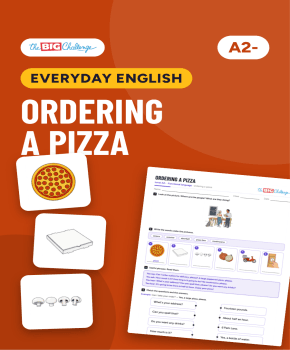
Listen, then answer. Listen to a conversation (ordering a pizza), then answer the questions. Can you catch the details?
1:22 7
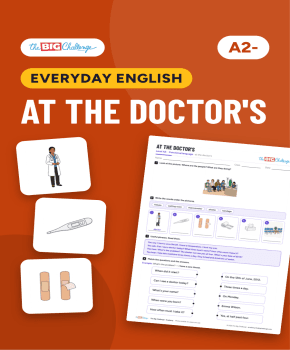
Listen, then answer. Listen to a conversation (at the doctor's), then answer the questions. Can you catch the details?
1:25 8
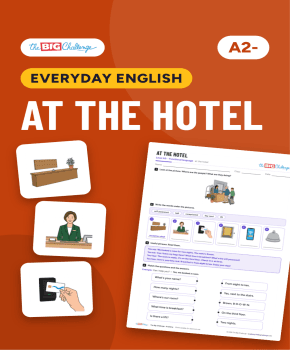
Listen, then answer. Listen to a conversation (at the hotel), then answer the questions. Can you catch the details?
1:21
Voir les 12 autres épisodes
 9
Listen, then answer. Listen to a conversation (joining a club), then answer the questions. Can you catch the details?
1:11 10
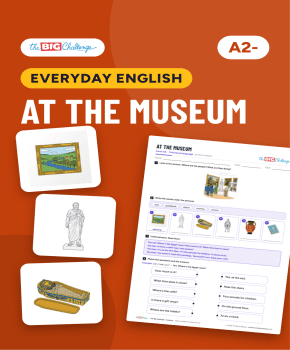
Listen, then answer. Listen to a conversation (at the museum), then answer the questions. Can you catch the details?
1:27 11
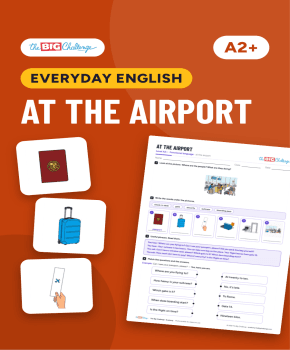
Listen, then answer. Listen to a conversation (at the airport), then answer the questions. Can you catch the details?
1:43 12
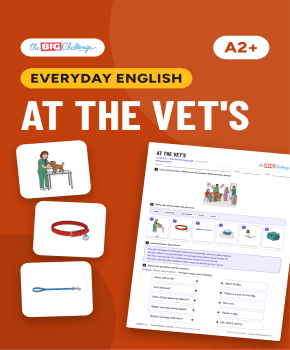
Listen, then answer. Listen to a conversation (at the vet's), then answer the questions. Can you catch the details?
1:33 13
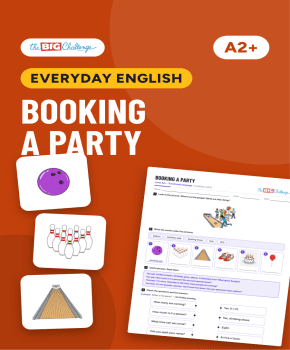
Listen, then answer. Listen to a conversation (booking a party), then answer the questions. Can you catch the details?
1:22 14
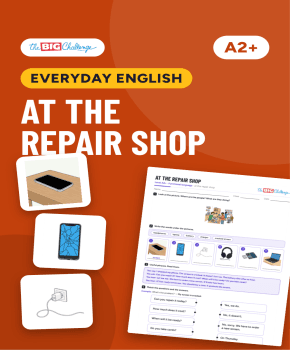
Listen, then answer. Listen to a conversation (at the repair shop), then answer the questions. Can you catch the details?
1:32 15
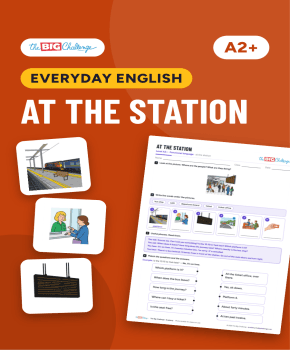
Listen, then answer. Listen to a conversation (at the station), then answer the questions. Can you catch the details?
1:26 16
Listen, then answer. Listen to a conversation (taking something back), then answer the questions. Can you catch the details?
1:27 17
Listen, then answer. Listen to a conversation (at the bike shop), then answer the questions. Can you catch the details?
1:16 18
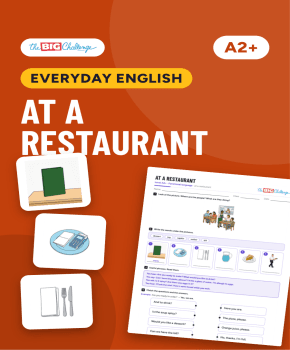
Listen, then answer. Listen to a conversation (at a restaurant), then answer the questions. Can you catch the details?
1:22 19
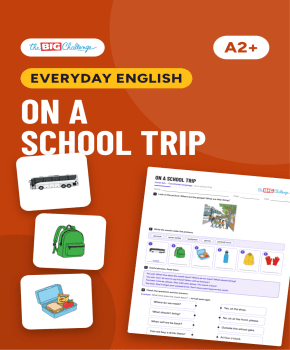
Listen, then answer. Listen to a conversation (a school trip), then answer the questions. Can you catch the details?
1:22 20
Listen, then answer. Listen to a conversation (a favour for a neighbour), then answer the questions. Can you catch the details?
1:26
Guide pédagogique
Objectif & contenu
Listen Up! est une série d'écoute de situations du quotidien : acheter des billets de train, commander dans un café, demander son chemin, passer au secrétariat de l'école, appeler un ami, aller à l'infirmerie. Chaque épisode est une conversation d'environ une minute entre deux ou trois personnes, avec de nouveaux personnages et un nouveau lieu à chaque fois, et chacun comporte un petit problème à suivre et des détails à saisir : heures, prix, nombres et noms. Les épisodes vont du niveau A1+ au niveau A2+, en anglais britannique clair. Une image du lieu, sans personnage et sans texte, s'affiche au début puis s'estompe, pour que les élèves écoutent plutôt qu'ils ne regardent.
Guide pédagogique
La série est conçue pour un travail en autonomie, sur un appareil avec un casque, en réécoutant autant de fois que nécessaire. Les élèves écoutent d'abord pour le sens général, puis pour les détails, puis répondent à des questions en trois groupes : compréhension (la situation, puis les détails), vocabulaire et expressions utiles. Les conversations donnent le modèle de l'anglais poli et pratique de la vie quotidienne (Can I pay by card? Can you spell that, please? Is there another time?). Il n'y a ni script ni sous-titres à l'écran, et l'application ne donne pas de traductions : un élève qui a besoin d'un mot utilise un dictionnaire. La page de chaque épisode a ses propres notes pour l'enseignant, le script et une reprise facultative en classe. Pour la classe, chaque épisode a aussi sa fiche de situation imprimable de deux pages (mots et phrases utiles, un dialogue à compléter, l'épisode par un QR code, un jeu de rôle) : cherchez le nom de l'épisode dans les ressources pédagogiques.
Déroulé suggéré
- Les élèves ouvrent l'épisode seuls, avec un casque, et l'écoutent une fois en entier.
- Ils répondent aux questions de compréhension, en réécoutant la conversation autant de fois que nécessaire.
- Ils terminent par le vocabulaire et les expressions utiles.
- De retour en classe (facultatif, environ 10 minutes) : demander quel était le problème et comment il a été réglé.
- Par deux ou par trois, les élèves jouent la même situation avec leurs propres détails (une autre heure, un autre prix, un autre nom).
Adaptations possibles
- Niveaux plus faibles : Proposez une écoute fragmentée et des supports visuels complémentaires.
- Niveaux avancés : Encouragez un résumé oral et un débat en anglais sur le thème.
- Grands groupes : Organisez un travail en îlots avec des rôles différenciés.
🔒 Contenu restreint
Cette ressource nécessite un abonnement pour être consultée.
Débloquer la ressourceInclus dans l'abonnementCritères pédagogiques
Sujets de discussion autour de la série
Après l’écoute, un diaporama à projeter fait parler toute la classe : une question, les mots pour répondre, un débat.